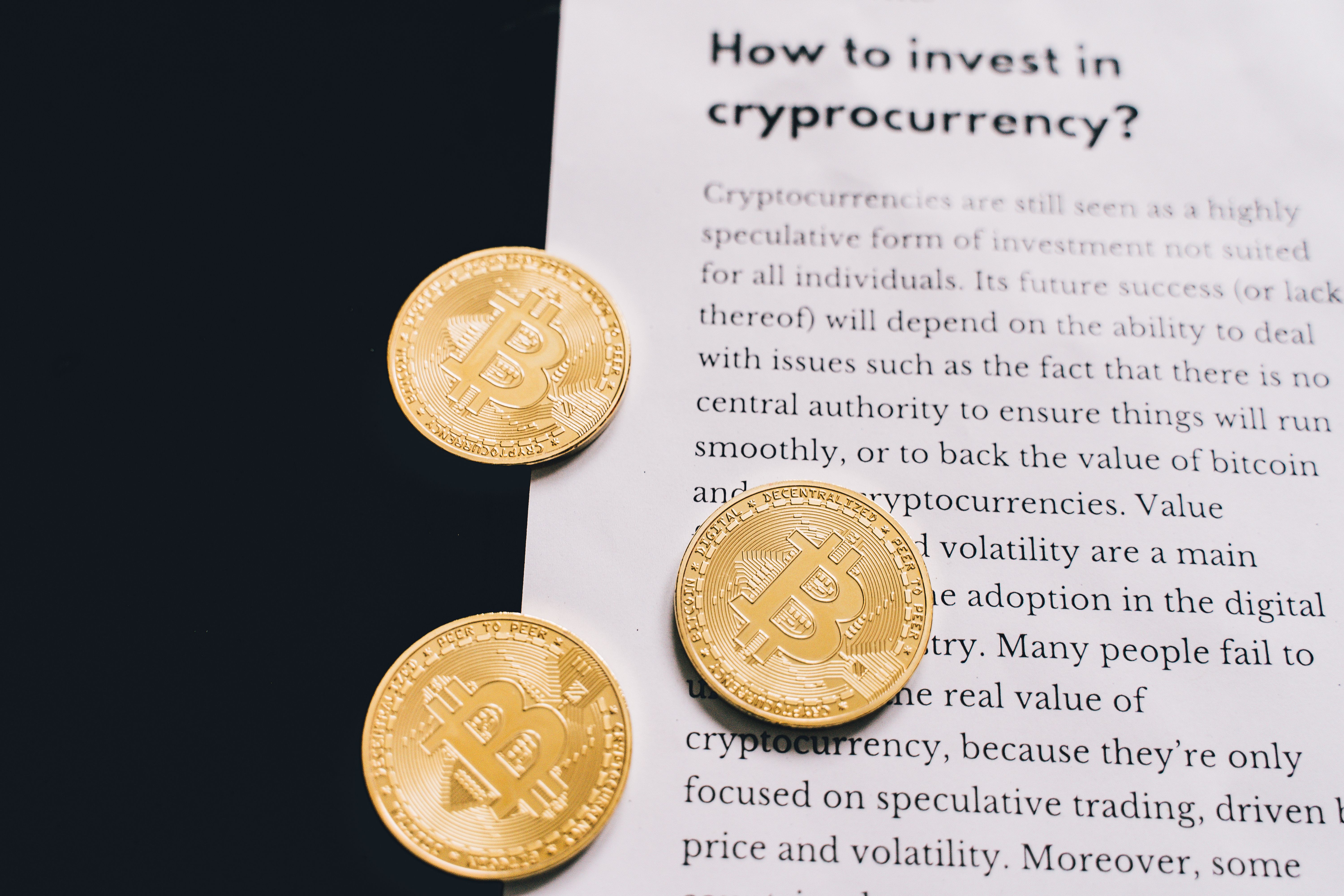
Cryptocurrency Trading for Beginners India: How to Start
On November 20, 2026, every major coin in the table below fell between 6.35% and 13.42% in 24 hours. Bitcoin sat at $58,556 (-6.35%) and Ethereum at $1,604 (-9.50%), according to real-time market data as of November 20, 2026. A beginner who bought a coin this morning is already down. That is normal in crypto, and it is why this guide spends as much time on tax, position size and exit rules as on the mechanics of clicking "buy."
How Crypto Trading Works for Indian Beginners
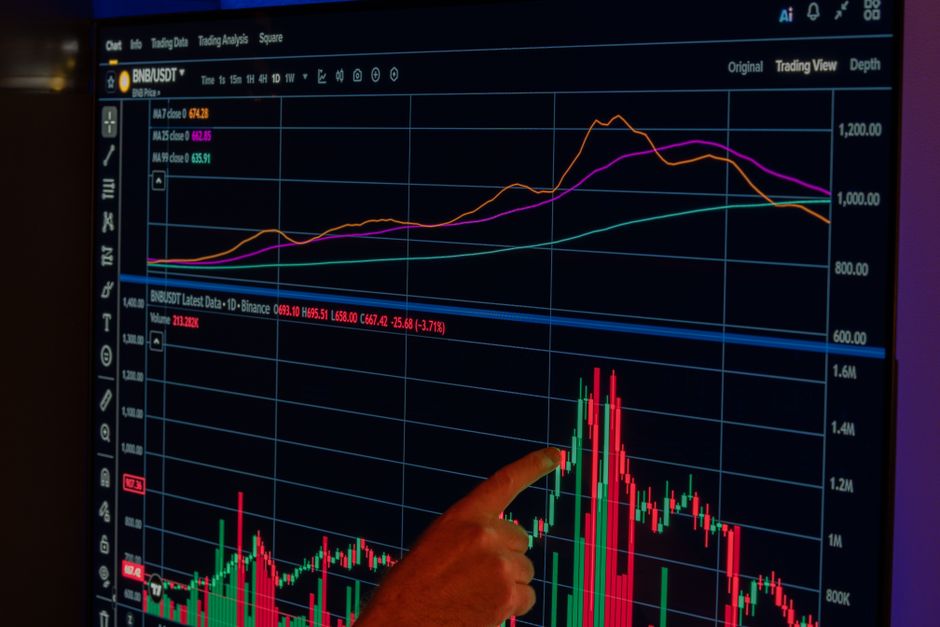
You open an account on an Indian exchange, complete KYC, deposit INR from your bank, and buy a coin against INR or against a stablecoin such as USDT. You sell when you want out and withdraw INR back to the same bank account. The exchange earns from trading fees.
Prices are set by global order flow, so Indian prices track international markets. The table below shows where major assets stood at the time of writing.
| Asset | Price (USD) | 24h change |
|---|---|---|
| Bitcoin (BTC) | $58,556 | -6.35% |
| Ethereum (ETH) | $1,604 | -9.50% |
| BNB | $535 | -8.42% |
| Solana (SOL) | $68.22 | -7.28% |
| XRP | $0.8977 | -7.13% |
| Chainlink (LINK) | $8.37 | -7.42% |
| Uniswap (UNI) | $4.37 | -13.42% |
Source: real-time market data as of November 20, 2026. For live quotes and market caps, see data from CoinGecko.
Beginners usually start with Bitcoin and Ethereum because they have the deepest liquidity and tightest spreads. Smaller coins such as UNI fell harder in the same window, which is the usual pattern.
India's Regulatory Status
India treats crypto as a "virtual digital asset" (VDA) for tax purposes. It is not legal tender. Trading is not banned.
| Rule | What it means for you |
|---|---|
| Section 115BBH | Flat 30% tax on VDA gains |
| Section 194S | — |
| PMLA reporting | — |
| GST | — |
| Dedicated crypto law | — |
The practical lesson: check whether your exchange is FIU-IND registered before you deposit anything. Policy can change, so confirm the current position on the official sites before acting.
7 Steps to Start Trading
- Link your PAN and Aadhaar first. An inoperative PAN can block KYC.
- Choose an FIU-registered exchange. Use the comparison criteria in the next sections.
- Complete KYC. You will need PAN, Aadhaar, a selfie and a bank account in your own name.
- Deposit INR. Use UPI, IMPS or NEFT from your own bank account, depending on what the exchange offers. Start with a small test deposit.
- Buy a major asset with a limit order. Limit orders let you set your price and often carry lower fees than market orders.
- Set your exit before you enter. Write down your stop-loss and target price.
- Record every trade. Date, coin, quantity, INR value, fee. You will need this at tax time.
KYC Documentation Checklist
| Item | Notes |
|---|---|
| PAN card | Mandatory; must be operative (linked to Aadhaar) |
| Aadhaar | Used for e-KYC via OTP to your registered mobile number |
| Selfie or liveness check | Taken in the app; use good lighting and no filters |
| Bank account | Must be in your own name, matching your PAN |
| Mobile number and email | The mobile number should be the one linked to Aadhaar |
Common errors and fixes: a name mismatch between PAN and bank record can cause rejections. Update the bank record or reapply with the PAN spelling. An Aadhaar mobile number that is out of date blocks OTP, so update it at an Aadhaar center first. Never use someone else's bank account to deposit. Exchanges can freeze third-party transfers.
Choosing an Indian Exchange
Well-known India-focused platforms include CoinSwitch and WazirX. I am not ranking them, because fees, limits and supported rails change often. Evaluate any of them against the same checklist.
| Criterion | What to check |
|---|---|
| Registration | FIU-IND registration listed on the exchange or the official FIU-IND site |
| INR deposit and withdrawal | UPI, IMPS and NEFT are the common bank rails. Confirm which the exchange supports, and its limits and fees, in the app's fee page |
| Trading fees | — |
| TDS handling | Does the exchange deduct 1% TDS and give you a downloadable statement? |
| Proof of reserves and incident history | Look at how past security incidents were handled. WazirX, for example, suffered a major hack in July 2024 |
| Withdrawal reliability | Test with a small INR withdrawal before scaling up |
| Minimum order size | Varies by platform and coin; check the app before you commit |
30% Tax and TDS with Worked Examples
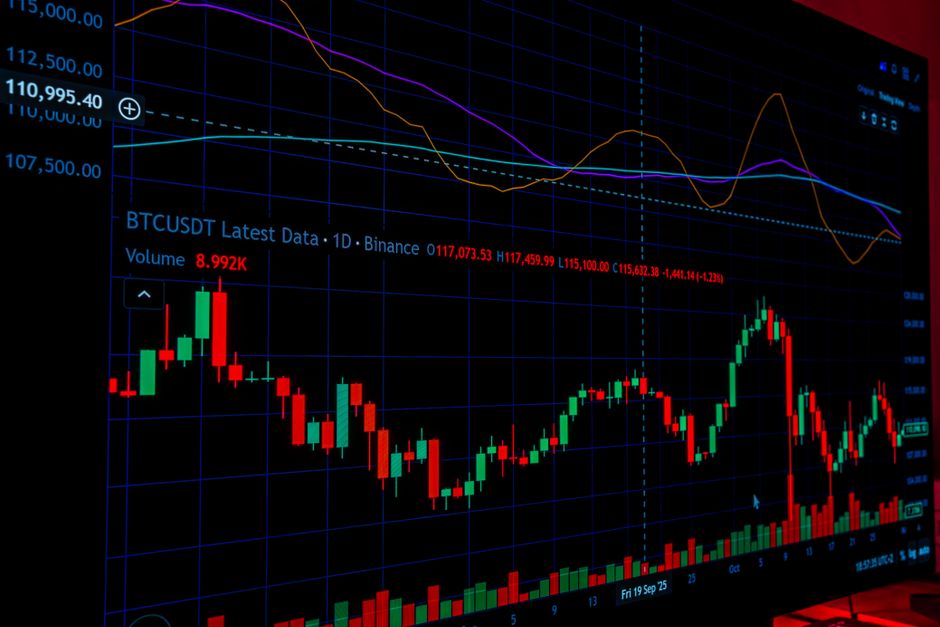
Example 1: A simple profit
- Buy INR 100,000 of a coin. Sell it for INR 150,000.
- Gain: INR 50,000. Tax at 30%: INR 15,000.
- Add 4% health and education cess on the tax: INR 600. Total: INR 15,600.
- 1% TDS on the INR 150,000 sale is INR 1,500. It appears in your tax statements and is credited against the INR 15,600, leaving INR 14,100 to pay.
Example 2: One win, one loss
- Trade A: gain of INR 50,000. Trade B: loss of INR 30,000.
- You cannot net the two. Tax is still computed on INR 50,000: INR 15,000 plus INR 600 cess, or INR 15,600.
- Your real profit was INR 20,000, so the effective tax is 78% of net profit.
Example 3: Fees do not help
- A gain of INR 10,000 with INR 300 in fees is still taxed on INR 10,000, which gives INR 3,000 plus cess.
Crypto-to-crypto swaps count as transfers, so a swap can trigger both tax and TDS even if you never touch INR.
Match your records to the TDS entries in your tax statements. Pay advance tax if the liability is significant.
Risk, Reward and Position Sizing
The 30% tax with no loss offset makes the payoff asymmetrical. Here is the effect on a trade with a 5% stop-loss and a 15% target (a 1:3 risk/reward before tax):
| Per INR 10,000 position | Loss case | Win case |
|---|---|---|
| Pre-tax result | -INR 500 | +INR 1,500 |
| Tax (30%, ignoring cess) | INR 0, and no relief | -INR 450 |
| After-tax result | -INR 500 | +INR 1,050 |
| Effective risk/reward | 1 : 2.1 | |
A 1:3 setup becomes roughly 1:2.1 after tax. A 1:1.5 setup falls to about 1:1.05 and barely justifies the risk.
Sizing a position
As a rule of thumb, some traders risk only 1% to 2% of their trading capital per trade. With INR 20,000 of capital and a 1% risk limit, the maximum loss is INR 200. If your stop-loss is 5% below entry, position size is INR 200 divided by 0.05, which is INR 4,000. A smaller stop means a larger position, but also a greater chance of being stopped out by normal volatility. Today's 6% to 13% daily moves show how tight stops can fail in this market.
Minimum investment and allocation
Most Indian exchanges allow small orders, but minimums differ by platform and coin. Treat the minimum as irrelevant. The right starting amount is one you can lose entirely without changing your lifestyle. For allocation ideas that fit alongside equities and fixed income, read our beginner portfolio allocation guide. Many advisers keep high-risk assets to a small share of total savings, but there is no official figure.
Common Beginner Mistakes
- Buying after a big rally. Today's drop shows how quickly gains can reverse.
- Ignoring TDS and tax. Unreported VDA income can create problems with the tax authorities, so keep accurate records.
- Offsetting losses mentally. The law will not.
- Trading illiquid altcoins. Wide spreads eat the edge. Check the order book before entering.
- Leaving large balances on an exchange. Hacks and withdrawal freezes happen.
- Using leverage too early. Leverage magnifies losses, and the tax rules provide no relief for those losses.
- No records. Reconstructing a year of trades later is painful. Export statements monthly.
Security Practices
- Enable app-based two-factor authentication, not SMS only.
- Use a unique email and password for the exchange.
- Whitelist withdrawal addresses where the platform allows it.
- Confirm the app or website URL. Phishing clones of Indian exchanges are common.
- Never share OTPs. No genuine exchange support agent will ask for one.
- Keep long-term holdings in a hardware wallet you control. Learn the basics in our crypto wallet guide.
- Be wary of Telegram "signal" groups and promised returns.
Practical Notes from the Process
Failed first deposits can come from a bank account not in the account holder's name, a UPI limit set by the bank, or a PAN that is not linked to Aadhaar. Fix the PAN link before anything else. Use IMPS or NEFT for larger transfers if UPI limits block you, and keep the bank reference number for any disputed deposit. Withdrawals may not be instant, so do not time exits around a same-day need. The honest trade-off with Indian exchanges is clear: you get INR rails and local compliance, but you pay fees, TDS on sales, and tax on every swap. For tax filing, see crypto tax in India explained.
On the payments side, UPI limits and settlement behavior are explained in how UPI payments work. Beyond India, data from CoinDesk is a useful place to follow global regulatory developments. Browse our complete crypto hub or more trading articles for further reading.
FAQ
What is cryptocurrency trading for beginners in India?
It is buying and selling digital assets such as Bitcoin on an Indian exchange using INR. You complete KYC with PAN and Aadhaar, deposit via bank transfer or UPI, and place orders. Gains are taxed at 30% and sales above thresholds attract 1% TDS.
How to start crypto trading in India with a small amount?
Link PAN to Aadhaar, pick an FIU-registered exchange, complete KYC, deposit a small test amount and buy a major coin using a limit order. Minimum order sizes vary by platform. Start with an amount you can afford to lose entirely.
Is crypto trading legal in India?
Yes. It is not banned, but crypto is not legal tender, and there is no comprehensive crypto statute at the time of writing. It is taxed as a virtual digital asset. Check current rules before you trade.
Is it safe to trade crypto in India?
Not without precautions. Price risk is high, as shown by today's 6% to 13% drops. Exchange risk exists too, and WazirX's 2024 hack is one example. Use registered exchanges, two-factor authentication and small positions, and keep long-term holdings in your own wallet.
Why is crypto tax in India considered so heavy?
Because the 30% rate applies to gains with only the purchase cost deductible. Fees are not deductible, and losses cannot be set off against other gains or income. A trader with one profit and one loss can pay tax on the profit alone.
Read Full GuideDisclosure: XPERTRAX (xpertrax.com) is an affiliated platform. Links and pop-ups pointing to xpertrax.com promote it. This article is for information only and is not financial advice.