
How to Use a Demo Account for Crypto Options Trading
One wrong click on a live options order can cost you the full premium in hours. Bitcoin sits at $63,112 and Ethereum at $1,784 (real-time market data as of November 19, 2026), and both are down over the past 24 hours. Volatility like that is exactly when new traders learn expensive lessons. A demo account lets you make those mistakes with fake money first.
What a Crypto Options Demo Account Is

Options are contracts that give the buyer the right, but not the obligation, to buy (call) or sell (put) an asset at a set strike price before or at expiry. In crypto, the underlying is usually BTC or ETH. A demo account copies the trading screen, option chain and order types, but the balance is virtual.
There are two common formats:
- Testnet: a separate copy of the exchange with its own registration, its own test balance and its own order book. Deribit's testnet is one example for options.
- Demo mode: a toggle inside your normal exchange account that switches you to virtual funds. OKX and Bybit offer demo modes of this kind.
Practicing without capital is the cheapest risk control available.
4 Platforms That Offer Demo or Testnet Access
Option availability inside demo environments changes over time. Confirm on each exchange's own page that options are included before you spend an evening setting up.
-
Deribit Testnet
Deribit is a crypto-native derivatives exchange focused on BTC and ETH options. Its testnet runs at a separate address from the live site and needs its own registration. Option contracts there mirror the live product design: European-style, with premiums quoted in the underlying coin. This is the closest practice match for options-first traders.
-
OKX Demo Trading
It suits traders who already plan to use OKX live and want identical screens.
-
Bybit Demo Trading
Check the current product list for options coverage before relying on it. It is a reasonable choice if you want to test an API script or bot before connecting real keys.
-
Delta Exchange Testnet
It is a useful alternative if Deribit's interface does not suit you, particularly for traders who want a second venue for comparison.
Comparison Table
| Platform | Practice format | Separate signup needed | Best for |
|---|---|---|---|
| Deribit | Testnet | Yes | Options-focused practice on BTC and ETH |
| OKX | — | No, uses live account toggle | Traders who plan to stay on OKX |
| Bybit | — | Varies by mode | API and bot testing |
| Delta Exchange | Testnet | Yes | Second-venue comparison |
Prices for BTC and ETH on any testnet may diverge from the live market. For live reference prices, check data from CoinGecko.
Step-by-Step Setup and Practice Plan
- Register on the testnet or switch to demo mode. Testnet accounts are separate from live accounts. Use a distinct password anyway, so you never confuse the two.
- Load the virtual balance. Most venues credit test funds automatically or through a request button inside the account.
- Open the option chain. Pick an underlying (BTC or ETH), then an expiry, then a strike. Note the bid, ask and implied volatility columns.
- Place a limit order, not a market order. Thin books punish market orders. Practicing limit entries builds the right habit.
- Track the Greeks. Watch delta, gamma, theta and vega on each position as price and time move.
- Close or let expire. Practice both. Seeing an option expire worthless teaches more than reading about it.
- Keep a log. Record entry reason, size, planned exit and result. A log makes the practice period measurable.
A 4-week practice structure
| Week | Focus | Skill checked |
|---|---|---|
| 1 | Buy calls and puts, close early | Order entry, reading the chain |
| 2 | Hold to expiry | Time decay, settlement mechanics |
| 3 | Spreads (vertical call or put spreads) | Defined-risk structures |
| 4 | Position sizing rules and stop discipline | Risk limits per trade |
Worked Example: A Practice BTC Call
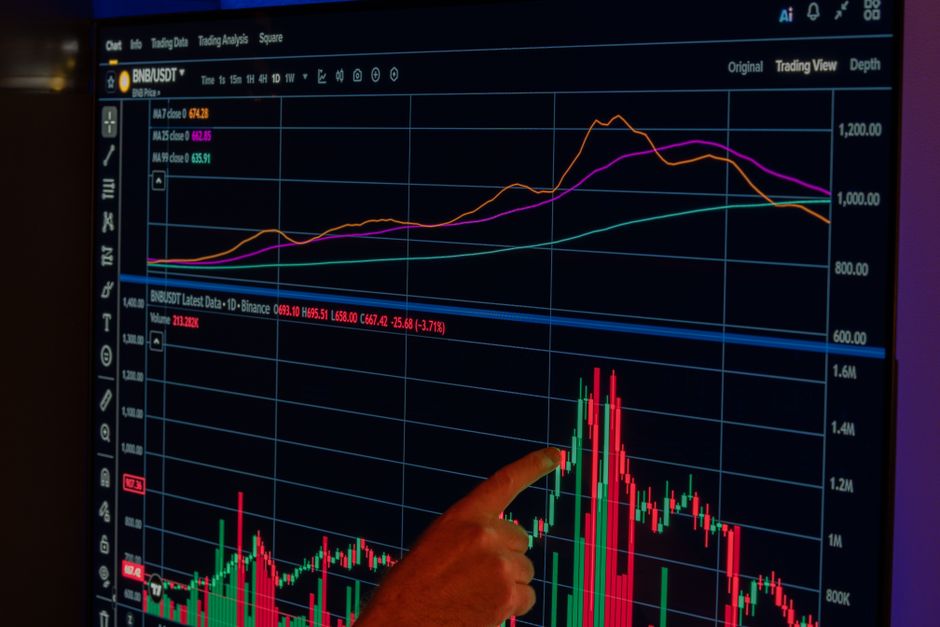
This example uses the spot price of $63,112 as of November 19, 2026. The premium is a hypothetical figure for illustration, not a market quote.
| Item | Value |
|---|---|
| BTC spot | $63,112 |
| Call strike (example) | $65,000 |
| Premium (hypothetical) | $1,500 per 1 BTC contract |
| Breakeven at expiry | $65,000 + $1,500 = $66,500 |
| Maximum loss for the buyer | $1,500 (the premium) |
| Result if BTC settles at $70,000 | ($70,000 - $65,000) - $1,500 = $3,500 profit |
| Result if BTC settles at $64,000 | Option expires out of the money (BTC is below the $65,000 strike), so the buyer loses the full $1,500 |
The point of running this in demo is to watch the position between entry and expiry. Even with BTC moving toward your strike, theta erodes the premium each day. Beginners often learn this only after losing real money.
What Demo Trading Cannot Teach You
- Liquidity and slippage. Testnet order books are thin or artificial. A fill that works in demo may not happen live.
- Emotional pressure. Virtual losses do not hurt. Many traders size up recklessly in demo, which builds the wrong habits.
- Margin and liquidation behavior. If you sell options, live risk engines, margin rules and fees matter, and testnets may not reproduce them exactly.
- Price accuracy. Implied volatility and quotes on a testnet can differ from the live market, so do not backtest strategies on them.
- Fees. Check the live fee schedule on the official site. Demo trades often ignore fees or show different ones.
For market context and news that moves option pricing, data from CoinDesk is a common starting reference.
Expert Notes: Common Errors and Fixes
Most practice sessions go wrong in predictable ways. The first is credential confusion: testnet logins and API keys do not work on the live site, and live keys do not work on the testnet. Store them separately and label them. The second is premium units. On Deribit, option premiums are quoted in the underlying coin (BTC for BTC options), so a premium of 0.02 means 0.02 BTC, not $0.02. Convert to dollars at the current spot price before judging cost. The third is ignoring expiry timing. Deribit options are European-style and settle at a fixed time on the expiry date, so closing before then matters if you do not want settlement.
Test balances can run out. If a strategy loses the full virtual balance, request a refill or open a new testnet account, then ask why it failed. Sizing errors, not bad direction calls, are the usual answer. Finally, treat the demo as a place to break your own rules cheaply. If you cannot follow a written risk limit on fake money, you will not follow it on real money.
FAQ
What is a demo account for crypto options trading?
It is a practice account that uses virtual funds to trade crypto options in an environment that copies a live exchange. It can be a separate testnet or a demo mode inside your regular account.
How to start trading options in a demo account?
Register on a testnet or switch to demo mode, load the virtual balance, open the option chain, and place a limit order on a BTC or ETH contract. Track the Greeks and keep a trade log.
Is it safe to use a crypto options demo account?
Yes, because no real funds are at risk. Use only the official testnet address from the exchange's own site, and never enter live API keys or live passwords on a testnet page you reached through a link from a third party.
Why does demo trading differ from live trading?
Testnet liquidity, fills, quotes and fees often differ from the live market, and virtual losses do not carry emotional weight. Demo results show whether you understand the mechanics, not whether a strategy is profitable.
How long should I practice before going live?
There is no official number. As a rule of thumb, practice long enough to cover entries, expiries and at least one defined-risk spread, followed by the smallest live size available.
Related Reading
- More trading articles and the complete crypto guide
- crypto options trading for beginners
- how to read options Greeks
- crypto paper trading guide
- options trading basics for stock investors
- Bitcoin implied volatility explained
Practice trading carries no financial return and is not investment advice. Live options trading can result in the loss of your full premium or more when selling options.
Disclosure: XPERTRAX (xpertrax.com) is an affiliated platform. Links and pop-ups pointing to xpertrax.com promote it. This article is for information only and is not financial advice.