
Does Crypto Cosmic Trading Simulator Pay Real Money?
You open a crypto simulator, turn a virtual $10,000 into $48,000 in a week, and wonder whether any of it can be cashed out. That question is how many people end up on a fake trading app. The short version is that a simulator lets you practice with fake balances. It does not give you access to real markets. A payout only exists if the operator funds it from somewhere, such as advertising revenue, sponsored prizes or a paid tournament pool.
This guide explains what separates a practice simulator from a rewards app and from a scam. It also shows what to check before you trust any payout claim. One limit applies throughout: no official payout terms for this specific title appear in the source material used here. This article therefore does not claim that Crypto Cosmic Trading Simulator pays out. It gives you the framework to check for yourself.
How trading simulators work

A simulator, also called paper trading, replicates market conditions with a fake balance. Paper trading lets you practice buying and selling without risking real capital. The orders never reach an exchange order book, so no one on the other side pays you.
Apps in the "simulator" category generally fall into a few groups:
| App type | Funds used | Can you withdraw? |
|---|---|---|
| Pure practice simulator | Virtual balance only | No. Nothing real is at stake. |
| Simulator with contests or prizes | Virtual trading, real prize pool | Only prizes the rules describe, usually ranked by leaderboard |
| Ad-funded or offer-funded rewards app | Virtual trading plus reward points | Depends on the stated minimum threshold and verification rules |
| Fake "trading platform" using simulator visuals | Your real deposits | Typically no. This is the scam pattern. |
Which row Crypto Cosmic Trading Simulator belongs in cannot be confirmed here. Check the app's store listing, its terms of service and its privacy policy. If none of them mention payouts, assume the answer is no.
What virtual profits look like against real prices
Starting balances in simulators are often large round numbers. The table below uses real-time market data as of November 20, 2026, to show what a virtual $10,000 position would represent. These are arithmetic illustrations, not a prediction or an offer.
| Asset | Price (Nov 20, 2026) | 24h change | Virtual $10,000 buys (approx.) |
|---|---|---|---|
| Bitcoin (BTC) | $61,990 | -1.80% | 0.1613 BTC |
| Ethereum (ETH) | $1,753 | -1.67% | 5.70 ETH |
| Solana (SOL) | $72.87 | -1.04% | 137.2 SOL |
| XRP | $0.9602 | -0.74% | 10,414 XRP |
The lesson is simple. A virtual $1,000 gain on this position is a number on a screen. It is not backed by a single satoshi unless the operator has stated otherwise. Simulators also usually skip slippage, partial fills, funding rates and exchange fees. Results inside them often look better than live trading would.
7 checks before trusting any payout claim
- Find the written payout terms. Look for a minimum withdrawal amount, accepted payout methods, verification steps and processing time. Vague wording such as "earn big" is not a term.
- Identify who funds the payout. Real rewards come from advertisers, sponsors or entry fees. If the app has no visible revenue source, the money has to come from users.
- Check the developer. A named company with a website, support address and registered business details is a better sign than an anonymous account with a few listings.
- Reject deposit-to-withdraw rules. Paying a fee, "tax" or "verification deposit" to release winnings is a recognized fraud pattern.
- Test with the smallest possible step. If a reward program exists, see whether the minimum payout can actually be reached and withdrawn before investing time or sharing documents.
- Guard personal data. Do not upload ID or bank details unless the terms explain why and the privacy policy covers it.
- Read independent user reports. Look for patterns across several sources, especially complaints about blocked withdrawals. Ignore testimonials that appear only on the app's own page.
Legitimate payout models vs red flags
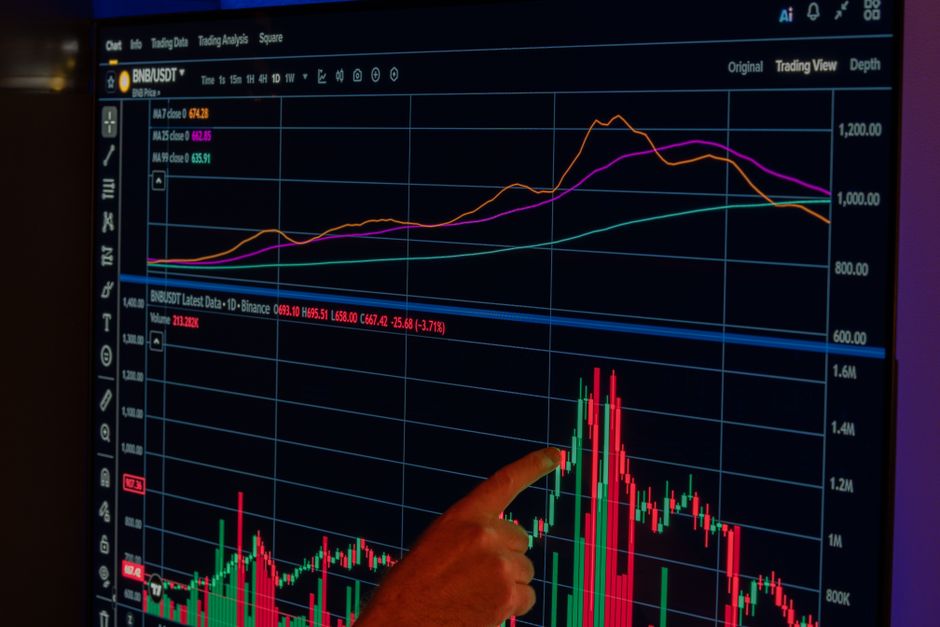
| Signal | Usually legitimate | Red flag |
|---|---|---|
| Source of money | Named sponsor, ads or entry-fee prize pool | Unexplained "profits" from virtual trades |
| Withdrawal conditions | Published minimum and verification process | Conditions that appear only after you win |
| Fees | None to withdraw, or clearly disclosed | "Release fee", "tax" or "unlock" deposit |
| Marketing | Describes the app as practice or entertainment | Guaranteed returns or "risk-free income" |
| Contact | Support channel and company details | Only a chat contact or messaging-app handle |
| Real exchange link | Clear separation between simulator and live trading | Prompts to "upgrade" to a real account with a stranger's guidance |
Editor's notes: common mistakes and fixes
Several recurring errors turn a harmless practice app into a costly experience. These notes describe general patterns in the simulator and rewards-app category, not confirmed behavior of this specific app.
- Confusing points with currency. In-app coins and gems are usually units inside a closed system. A conversion rate is only real if the terms state one. Fix: search the terms for words like "redeem", "withdraw" and "cash out" before you spend time grinding.
- Treating a high win rate as skill. Simulators often have no spreads or fees, and some feed delayed or stylized price data. Fix: after practicing, replicate your strategy on a platform with realistic costs before judging it.
- Following "mentors" off-platform. A common fraud sequence starts with a simulator or chat group, moves to a private messenger and ends with a deposit into a lookalike platform. Fix: never send funds to an address or site given by someone you met through an app.
- Skipping the wallet basics. If a rewards app promises crypto, it should send it to an address you control. Never share a seed phrase with any app. Fix: use a wallet you set up yourself and share only the public address.
- Ignoring tax. In many countries, real crypto or cash rewards are reportable income even when small. Fix: keep records of any real payout and check your local tax authority's rules.
Safer ways to practice crypto trading
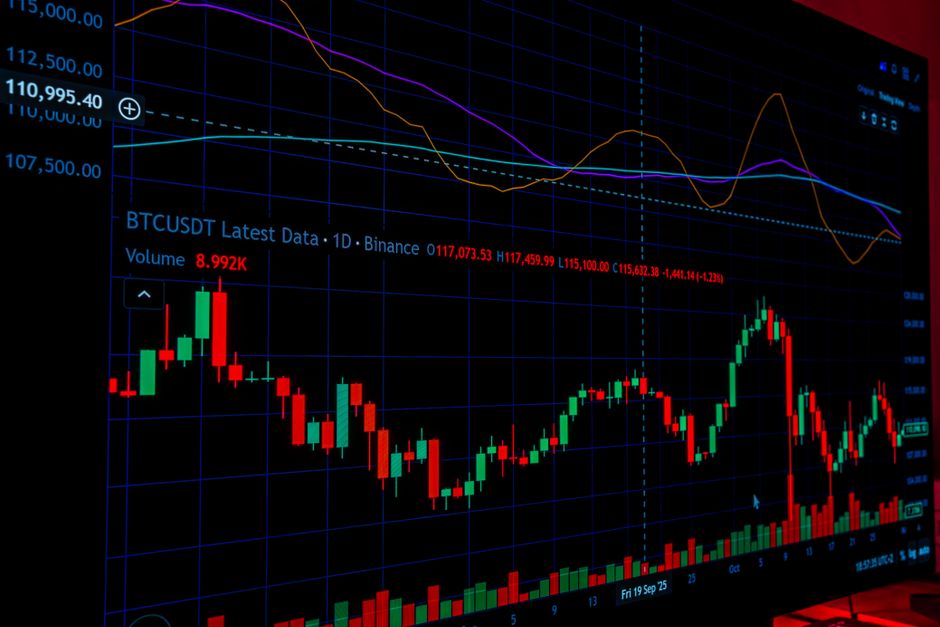
If your goal is learning, not income, the best option is a practice environment from an established platform. If your goal is income, a simulator is the wrong tool. Real trading carries real risk of loss, and bear conditions matter. Bitcoin at $61,990 and Ethereum at $1,753, per real-time market data as of November 20, 2026, show how volatile positions can be across a single day.
| Option | Purpose | Real money at risk? |
|---|---|---|
| Paper trading on charting platforms | Practice strategy on live charts | No |
| Demo or testnet modes offered by major exchanges | Practice with exchange-style order types | No |
| Small, fully controlled live position | Learn fees, slippage and execution | Yes, only what you can afford to lose |
Before moving to real funds, review how to buy Bitcoin safely and the crypto wallet security guide. For broader context, visit the complete fintech guide or more trading articles.
FAQ
What is Crypto Cosmic Trading Simulator?
The name suggests a crypto trading practice game. No official feature list or payout terms for this title are included in the source material for this article, so check the developer's listing and terms directly. By default, a simulator uses virtual funds.
Does Crypto Cosmic Trading Simulator pay real money?
Not by default. Virtual profits are not real money. It pays only if the app's published terms describe a funded reward system, and you should confirm that in writing before assuming anything.
How to check whether a trading simulator really pays out?
Find the written withdrawal terms, identify who funds the rewards, confirm the developer's identity, and test the smallest withdrawal step. Walk away if any fee is required before you can withdraw.
Is it safe to deposit money into a trading simulator?
No. A real simulator has no reason to take deposits for trading. Deposit requests suggest either a rewards model with unusual conditions or a fake platform.
Why do simulator profits look so easy?
Simulators often omit fees, slippage, liquidity limits and emotional pressure. A strategy that wins on paper can lose in live markets.
Disclosure: XPERTRAX (xpertrax.com) is an affiliated platform. Links and pop-ups pointing to xpertrax.com promote it. This article is for information only and is not financial advice.