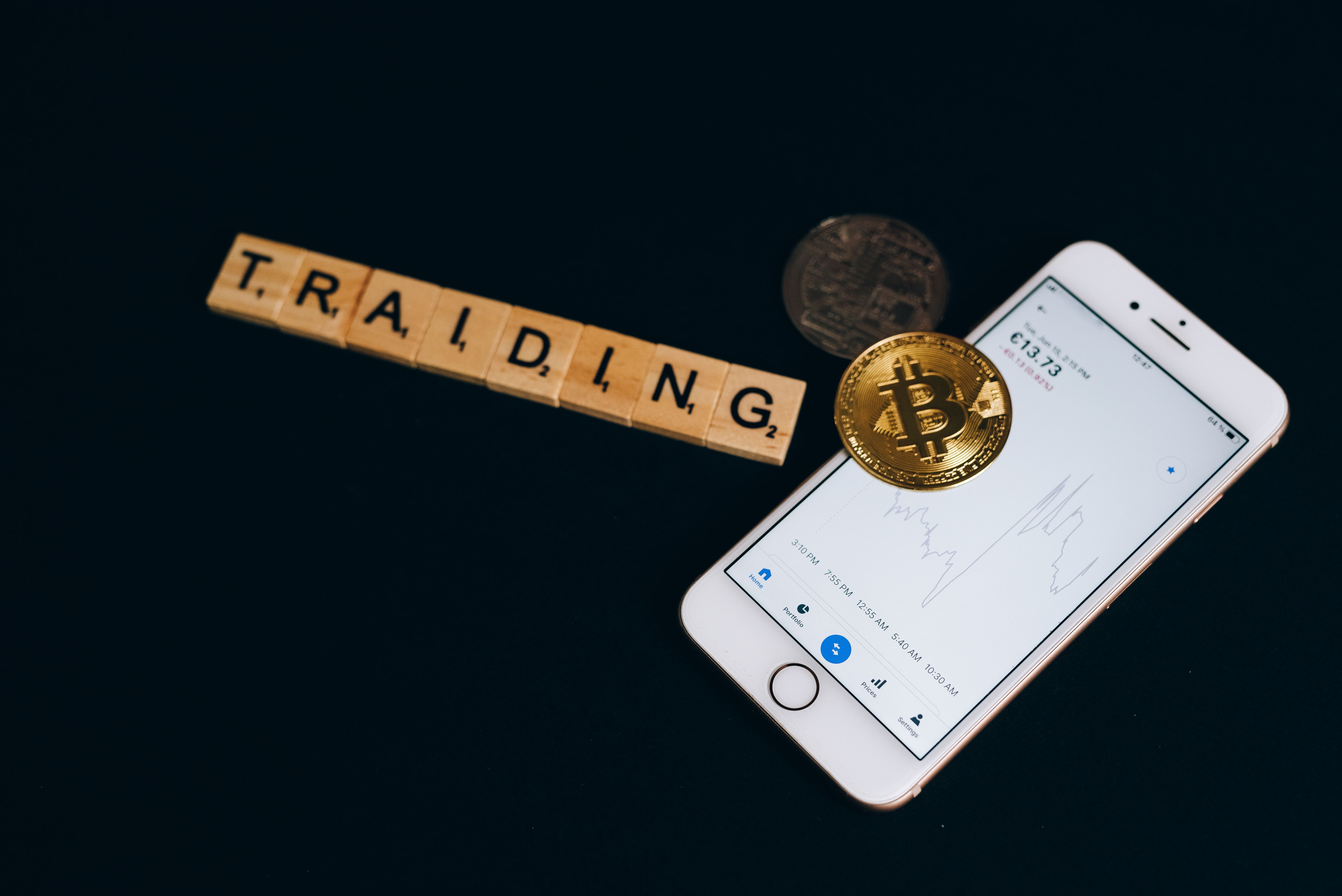
How to Practice Crypto Trading with Fake Money Safely
You can practice crypto trading with fake money for free, starting today, and you should do it before you put a single dollar at risk. The market just showed why. Bitcoin sits at $58,936 after a 5.02% drop in 24 hours, and Ethereum is at $1,621 after falling 7.63%, according to real-time market data as of November 21, 2026.
Days like this wipe out new traders who have never watched a position move against them. A demo account lets you take that hit with virtual money, learn how your stops, sizing and nerves behave, and fix mistakes while they cost nothing.
How Practice Trading with Fake Money Works

Paper trading is simulated trading that lets you practice buying and selling without risking real money. In crypto, the same idea runs in three common formats:
| Format | What it is | Best for |
|---|---|---|
| Charting-platform paper trading | A simulated broker attached to live charts | Learning technical analysis and order entry |
| Exchange demo mode | A mirrored exchange interface funded with virtual coins | Practicing on the exact interface you may use later |
| Exchange testnet | A separate test environment, often API-driven | Developers and bot builders testing code |
| Manual journal ("pencil" trading) | A spreadsheet where you log entries, stops and exits | Building discipline with no software at all |
In every format, you start with a virtual balance, place orders against price data, and track a simulated profit and loss. The quality of the practice depends on how closely the simulator imitates real execution: fees, spreads, partial fills and funding rates.
7 Ways to Practice Crypto Trading with Fake Money
Features change often, so confirm current availability and rules on each platform's official site before you sign up. The comparison below sticks to qualitative traits.
- TradingView Paper Trading. A built-in simulated account on top of its charting tools. It suits chart-based practice across many crypto pairs, and you can use one account to rehearse entries, stops and targets on the charts you already read.
- Binance Demo Trading. Check the official site for current eligibility in your region.
- Exchange testnets. Separate test environments mainly aimed at developers who test API orders. Order books are not real market depth, so treat results as technical checks, not performance evidence.
- Bybit Demo Trading. It is useful if you want to rehearse derivatives order types before going live.
- OKX Demo Trading.
- Kraken Futures demo environment.
- A spreadsheet journal tied to live prices. Record each trade idea with entry price, stop, target, size and reason. Pull reference prices from CoinGecko. It is slower, but it forces you to write a reason for every trade, which many simulators never ask for.
How to choose
- If you plan to trade spot coins only, practice on a spot simulator, not a futures demo.
- If you plan to use one exchange, practice on that exchange's demo so the buttons and order types become familiar.
- If you build bots, use a testnet, and run a separate manual practice routine for judgment.
Stress Test: What Today's Sell-Off Would Do to a Demo Account
Run this exercise on your simulator. Imagine a $1,000 virtual position held through the past 24 hours. The table uses real-time market data as of November 21, 2026. The implied loss is simple arithmetic: position size times the 24-hour percentage change, measured from the starting value.
| Asset | Price | 24h change | Implied loss on $1,000 |
|---|---|---|---|
| Bitcoin (BTC) | $58,936 | -5.02% | about $50.20 |
| Ethereum (ETH) | $1,621 | -7.63% | about $76.30 |
| Solana (SOL) | $68.85 | -5.58% | about $55.80 |
| XRP | $0.9089 | -5.43% | about $54.30 |
| Uniswap (UNI) | $4.48 | -9.10% | about $91.00 |
| TRON (TRX) | $0.3013 | -2.87% | about $28.70 |
Two lessons follow. Assets in the same market tend to fall together, so holding five coins is not five independent bets. And a derivatives position with a high multiplier would turn a 5% move into a far larger account swing. Practice reacting to a day like this with a plan, not a panic click. For context on how to read such days, see our crypto market sell-off analysis.
A Worked Position-Sizing Example
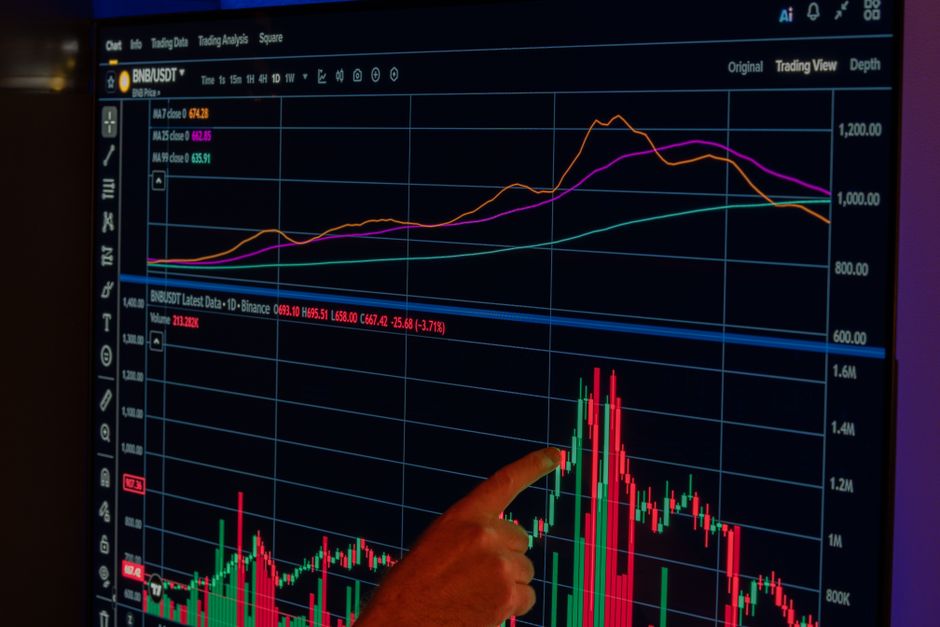
Most beginners fail on size, not on entry. Practice a fixed-risk rule: risk a set percentage of the account on each trade. The numbers below are an illustration using today's Bitcoin price, not a recommendation.
| Input | Value |
|---|---|
| Virtual account | $10,000 |
| Risk per trade (1%) | $100 |
| BTC entry price | $58,936 |
| Stop-loss 3% below entry | about $57,168 |
| Risk per BTC (entry minus stop) | about $1,768 |
| Position size ($100 / $1,768) | about 0.0566 BTC |
| Position value | about $3,333 |
If the stop triggers, you lose about $100, or 1% of the account, before fees and slippage. Repeat this calculation before every simulated trade until it is automatic. Our crypto position sizing guide covers the method in more depth, and how to read crypto candlestick charts helps you place stops at logical levels instead of arbitrary percentages.
A 4-Week Practice Plan
This is a suggested structure, not a rule from any platform. Adjust the pace to your schedule.
| Week | Focus | What to record |
|---|---|---|
| 1 | Interface and order types: market, limit, stop | Errors made, orders that filled differently than expected |
| 2 | Fixed-risk sizing on every trade | Planned risk versus actual loss per trade |
| 3 | One written strategy, no deviations | Entry reason, rule followed (yes or no), outcome |
| 4 | Review the journal and calculate results after estimated fees | Win/loss pattern, largest drawdown, rule breaks |
The review in week 4 matters most. If your rule-break count is high, the strategy is not the problem. Your discipline is, and that is exactly what you wanted to learn before real money was involved.
What Demo Trading Cannot Teach You
- Slippage. Simulators often fill at the displayed price. Real orders in fast markets can fill worse, especially in low-liquidity coins.
- Fees and funding. If the demo does not charge trading fees or futures funding, subtract your own estimate when judging results.
- Emotion. Losing virtual money does not produce the same fear or urge to revenge-trade. Expect your behavior to change when real funds are on the line.
- Exchange risk. Withdrawal delays, account limits and outages do not show up in a sandbox.
- Survivorship in your own results. A good demo month in a rising market proves little. Test across both up and down days, like today's.
When you move to live trading, start with an amount small enough that a total loss will not matter. Our guide on how to buy Bitcoin safely walks through the first real purchase, and if you also trade equities, see stock paper trading simulators. Market news and pricing context are available from CoinDesk.
Editor's Notes: Common Errors and Fixes
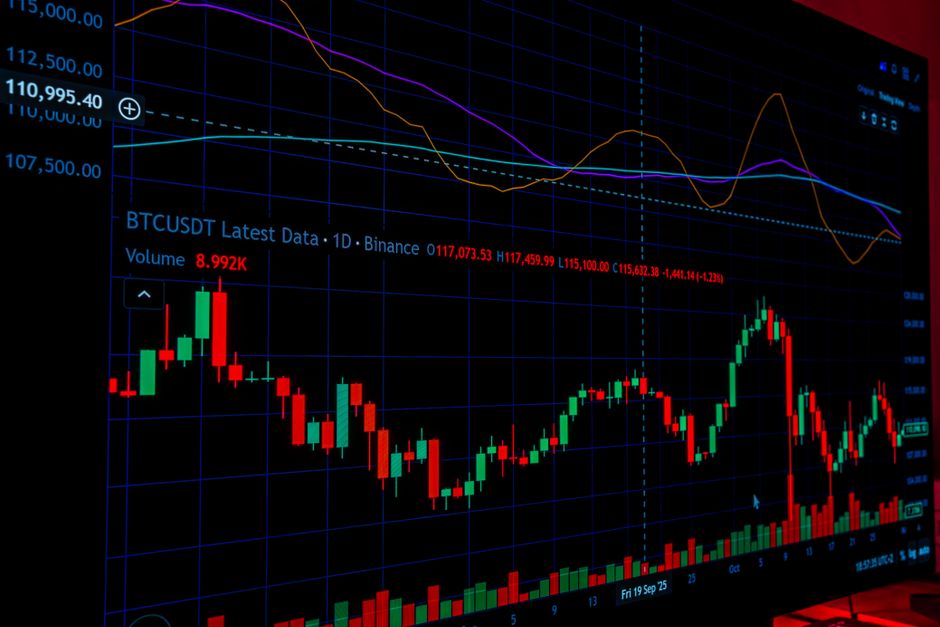
These patterns come up repeatedly when people practice with simulated funds, and each has a practical fix.
- Mistake: resetting the balance after a bad streak. Fix: never reset mid-experiment. Log the drawdown, because it is data about your process.
- Mistake: using a futures demo to prepare for spot buying. Fix: match the product. Futures add margin, liquidation and funding that spot does not have.
- Mistake: treating a testnet as a market. Fix: testnet prices and order books are separate from the live exchange. Use them to test code or order syntax, not to judge a strategy.
- Mistake: oversized virtual positions "because it is not real." Fix: size trades as if the balance were your actual capital, or the results teach nothing.
- Mistake: no written reason for each trade. Fix: before clicking buy, write the setup, stop, target and invalidation point. A trade without a written plan is a guess.
One honest trade-off: demo accounts are free, but they can build false confidence. A trader who makes 40% on a simulator with no fees and perfect fills has learned little about real performance. Judge yourself on rule adherence and risk control, not on the virtual profit figure.
Related reading: our complete fintech guide covers the tools behind modern trading platforms, and you can find more trading articles in the trading hub.
FAQ
What is practice crypto trading with fake money?
It is simulated trading where you place buy and sell orders using virtual funds instead of real cryptocurrency. Prices usually follow the live market, so you can rehearse strategies, order types and risk rules without financial loss.
How to practice crypto trading with fake money step by step?
Pick a simulator that matches the product you plan to trade, such as spot or futures. Set a virtual balance, write a strategy with entry, stop and target, size each trade by fixed risk, and log every trade. Review the journal weekly and calculate results after estimated fees.
Is it safe to practice crypto trading with fake money?
Yes, because no real funds are at risk. Stay cautious with sign-ups: use only official sites, never share seed phrases or private keys, and avoid anyone who asks you to deposit real money to "unlock" a demo account.
Why does demo trading differ from real trading?
Simulators often ignore slippage, thin liquidity and sometimes fees. They also remove the emotional pressure of real losses. Results from a demo account usually look better than live results, so use them to build habits, not to forecast profit.
How long should I practice before using real money?
There is no official number. A reasonable standard is a written strategy that you followed without rule breaks across a meaningful sample of trades, including both rising and falling markets. Then start live trading with a small amount you can afford to lose entirely.
Disclosure: XPERTRAX (xpertrax.com) is an affiliated platform. Links and pop-ups pointing to xpertrax.com promote it. This article is for information only and is not financial advice.