Is There an App to Practice Crypto Trading? Yes, Here Are 6
Common avoidable mistakes include an oversized position, a missing stop, or a market order on a thin pair. Bitcoin sits at $60,101 and Ethereum at $1,681 in real-time market data as of November 22, 2026, and a 2% move in either can wipe out a badly sized trade. Practicing with virtual funds lets you make those errors for free.
How crypto practice trading works
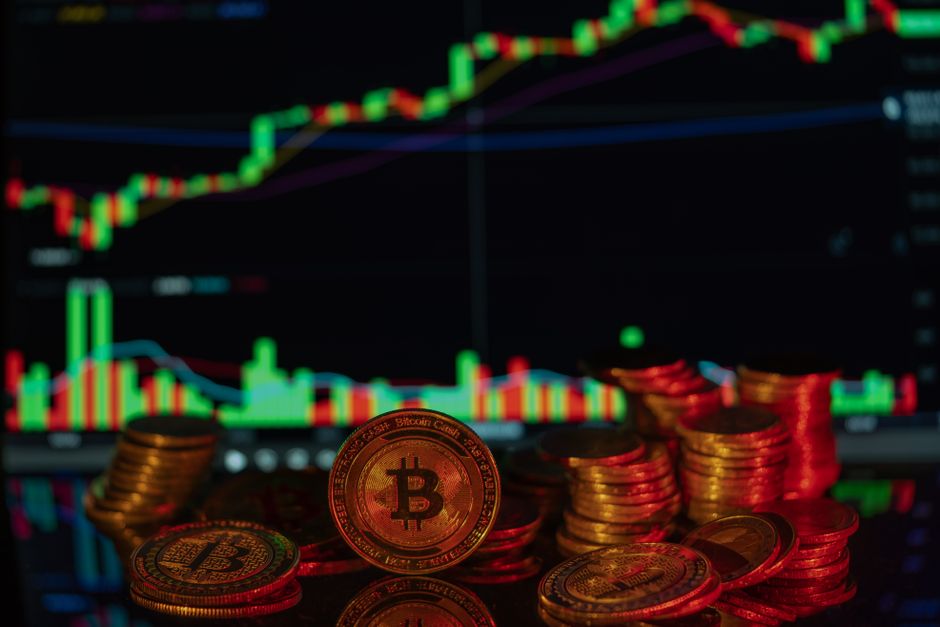
Paper trading is simulated trading with virtual money. You place buy and sell orders against live or near-live prices, and the platform tracks a pretend balance. No deposit is needed, and no real asset changes hands.
There are three common designs:
- Paper trading on a charting platform. You trade a virtual account directly from the chart. Good for learning entries, exits and order types.
- Exchange demo mode. The exchange gives you a sandbox balance that mirrors its real interface, including spot or futures order tickets. Good for learning the exact platform you will use.
- Testnets. Developer networks with worthless test tokens from faucets. Good for practicing wallets, swaps and smart contract interactions without real money.
Top 6 ways to practice crypto trading
These are well-established options. Features, regional access and virtual balance sizes change, so check each official site before you start.
-
TradingView Paper Trading
It may suit you if you care about technical analysis, since you can practice on the same charts and indicators you would use live.
-
Binance Demo Trading and Testnets
Availability depends on your region and account status.
-
Bybit Demo Trading
It is useful for understanding how futures contracts, margin modes and liquidation work before borrowed size is involved.
-
OKX Demo Trading
It works well for rehearsing order types and portfolio views on the platform itself.
-
Kraken Futures Demo
-
Ethereum Testnets (such as Sepolia)
If you want to practice DeFi rather than price speculation, use a testnet. You create a wallet, request test ETH from a faucet, and try swaps, approvals and transfers using test tokens. It teaches wallet hygiene and gas mechanics, which paper trading apps skip entirely. It does not teach price risk.
Comparison table
| Option | Type | Best for | Main limitation |
|---|---|---|---|
| — | |||
| Binance Demo Trading / Testnet | Exchange sandbox | Binance users, API testing | — |
| Bybit Demo Trading | Exchange sandbox | Futures mechanics | Derivatives-focused learning curve |
| OKX Demo Trading | Exchange sandbox | Multi-product practice | — |
| Kraken Futures Demo | Futures sandbox | Studying futures contracts | — |
| Ethereum testnets | Blockchain test network | Wallets, swaps, DeFi | No real price risk or liquidity |
What simulators get wrong
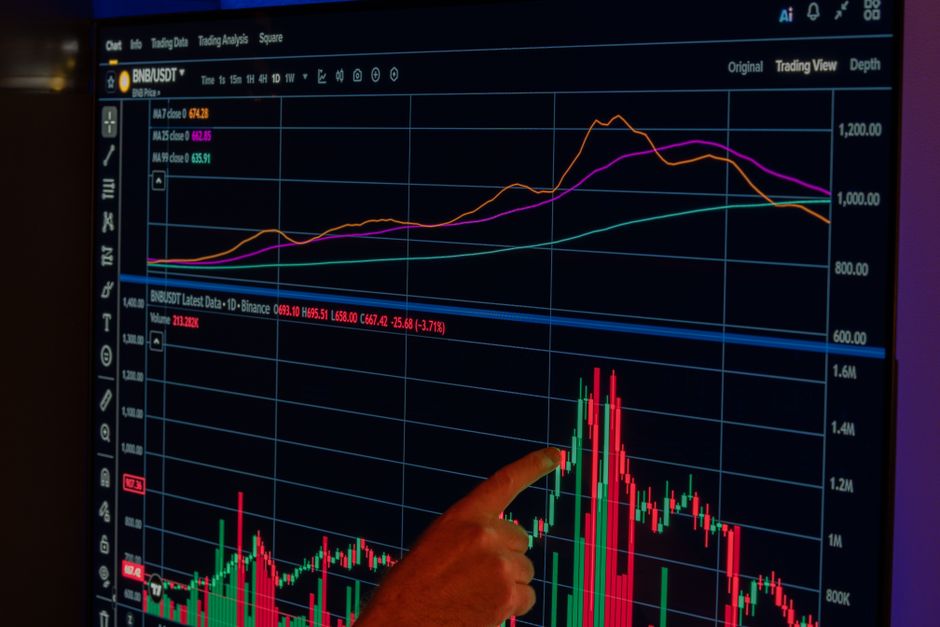
Practice accounts are useful, but they flatter you. Know where the gaps are:
- Perfect fills. Demo orders often fill at the displayed price. Real market orders on thin pairs suffer slippage, which means the price you get differs from the price you saw.
- No emotion. Losing virtual money does not hurt. Most real mistakes, such as moving a stop or revenge trading, are emotional, and simulators barely test them.
- Fee and funding differences. Real exchanges charge trading fees, and perpetual futures charge funding payments. Some demo environments simplify or skip these. Check the fee schedule on the live platform and subtract it from your results manually.
- Unlimited retries. A resettable balance removes the consequence of blowing up. Treat a reset as a failed attempt and log it.
Market conditions also change. A strategy that worked on a quiet week of data can fail in a volatile one. Altcoins show this clearly: SOL at $70.20 and AVAX at $6.57 can move several percent in a day, while ADA at $0.1442 trades in tiny increments where spreads matter more. Those prices come from real-time market data as of November 22, 2026.
A practical practice plan
Treat the demo account like real capital. A simple structure:
- Set a realistic starting balance. If you plan to fund a real account with $1,000, set the virtual balance to $1,000 where the tool allows it, not $100,000. Position sizes should match your real plan.
- Define a fixed risk per trade. Example: risking 1% of a $10,000 virtual balance means a maximum loss of $100 per trade.
- Size from the stop, not from feeling. With BTC at $60,101, a 2% stop sits about $1,202 away. A $100 risk then supports a position of roughly $5,000 notional ($100 divided by 0.02), which is about 0.083 BTC. Practice this calculation until it is automatic.
- Keep a journal. Record entry, stop, target, reason and result. Review it weekly.
- Test order types. Use limit, market and stop orders on purpose, and note the difference in outcomes.
- Move to real money only in small size. When you go live, start with an amount you can afford to lose entirely and compare live results against your demo journal.
Editor's notes: setup steps and common errors
Setup is usually quick. For testnets, create a separate wallet for testing, switch the network in your wallet to Sepolia or another test network, and use a faucet to receive test tokens.
The common errors are consistent. Users forget which mode they are in and place a real order believing it is a demo, so check for the demo banner before every order. Others reuse their main wallet seed phrase on a testnet, which is unnecessary exposure; create a throwaway wallet instead. If a faucet request fails, wait and retry rather than visiting unfamiliar faucet sites. Finally, many people practice only in rising markets. Deliberately test on a downtrend or a sideways range as well, using historical charts, so you see how a strategy behaves when it does not work.
Trade-off summary: chart platforms give better analysis tools, exchange demos give better platform familiarity, and testnets give better on-chain skills. Many learners use two of them together.
Safety and scam warnings
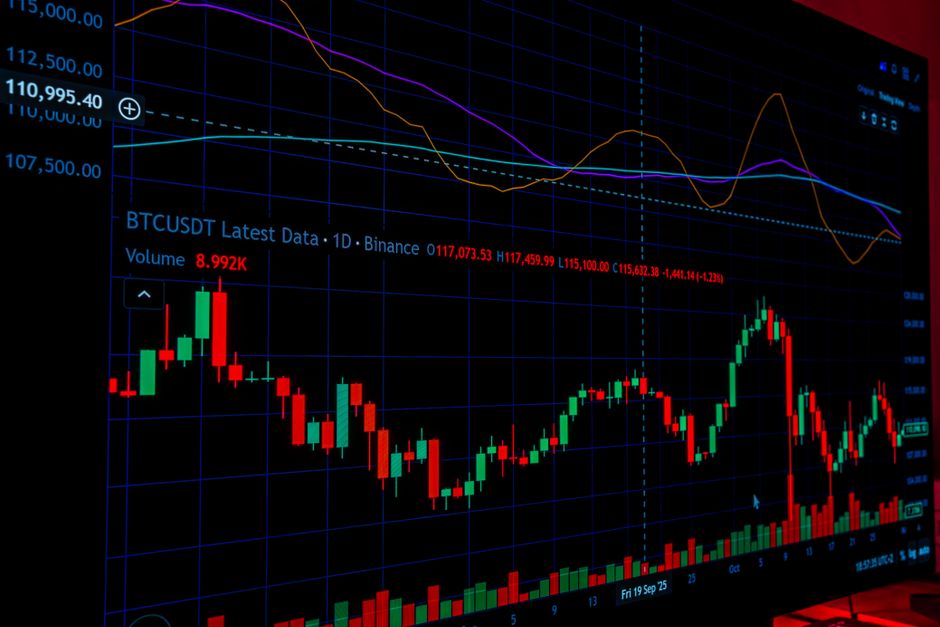
Practicing is safe by design, but the ecosystem around it attracts scams. Crypto markets carry fraud risk and extreme volatility, so apply caution before moving from practice to real funds.
- Never pay to join a "demo competition" or "signal group" that promises guaranteed returns.
- Never enter a real seed phrase into any practice site or faucet.
- Download apps only from the provider's official site and verify the domain.
- Be suspicious of any demo platform that asks for a real deposit to "unlock" virtual features.
- Remember that profitable demo results do not predict live profits.
For next steps on risk, see this crypto risk management guide, the paper trading vs demo account comparison, and the crypto trading for beginners walkthrough. If you want to buy your first coins after practicing, read how to buy Bitcoin safely. Traders curious about equities can compare stock simulator apps, and the complete fintech guide covers the wider tool set. More articles are in our trading section.
FAQ
What is a crypto paper trading app?
It is software that lets you place simulated crypto trades with virtual money at live or near-live prices. It tracks profit and loss without using real funds.
Is there an app to practice crypto trading for free?
Yes. Paper trading apps and some exchange demo modes are available. Terms, balances and regional access vary, so check the official site.
How to practice crypto trading without risking money?
Open a paper trading account or exchange demo, set a realistic starting balance, risk a fixed small percentage per trade, and keep a journal. Use testnets if you want to practice wallets and DeFi.
Is it safe to use crypto demo accounts?
Demo accounts are safe when you use official platforms and never share real seed phrases or pay for access. The risk is false confidence, since simulated fills are cleaner than live markets.
Why do demo results differ from real trading?
Simulators often skip slippage, partial fills, full fee schedules and emotional pressure. Real trading also adds funding costs on perpetual futures and thin liquidity on small coins.
How long should I practice before trading real money?
There is no official standard. A reasonable approach is to continue until you follow a written plan consistently across different market conditions, then start live with a very small amount.
Disclosure: XPERTRAX (xpertrax.com) is an affiliated platform. Links and pop-ups pointing to xpertrax.com promote it. This article is for information only and is not financial advice.