
Day Trading Salary by Country: Taxes, Rules, Real Odds
Every "day trader earns $X per year" headline hides one fact: self-directed day traders do not get paid. They keep what is left after losses, commissions, data fees and tax. Where you live changes the last item, and it changes which accounts and products you are allowed to use.
This guide compares eight countries (USA, UK, Canada, Spain, Portugal, UAE, Singapore, Australia) on the factors that can be verified: tax treatment, pattern day trader rules, margin limits and residency hurdles. It also covers the profitability evidence from real trader datasets. It does not publish a country-level "average day trader salary" figure, because no reliable public dataset for one exists.
What "day trading salary" actually means

There are two different groups behind the phrase:
- Employed traders at banks, market makers or proprietary firms receive a salary and often a bonus. Pay depends on the firm, desk and city. There is no verifiable, comparable country-level dataset I can cite for these roles, so none is quoted here.
- Self-directed retail traders use their own capital. Their "salary" is net profit after costs and tax, and it can be negative.
Most search interest concerns the second group. For them, the useful country comparison is how much of each profit dollar you keep and which rules limit your trading.
Profitability evidence from real trader data
It is not specific to the eight countries above, but it shows what the odds look like.
The practical reading: any "average" income figure for day traders is dominated by a small group of winners and a large group who quit after losses. Survivorship bias inflates the numbers you see on social media.
8 countries compared: tax, rules and residency
The list below summarises the treatment for individuals trading their own money. Tax law changes often and depends on personal circumstances, so confirm with a licensed local tax adviser before acting.
-
United States
The US also has the pattern day trader rule (see the PDT section).
-
United Kingdom
-
Canada
Frequent day trading usually leans toward business income. Provincial tax is added on top of federal rates.
-
Spain
-
Portugal
-
United Arab Emirates
Passive personal investing is generally treated differently from running a trading business, so get the structure checked.
-
Singapore
-
Australia
Country comparison table
The salary column is deliberately qualitative. Where no verified dataset exists, the table says so rather than guessing.
| Country | Verified average day trader salary | Tax on short-term trading profit (individual) | PDT-style minimum equity rule |
|---|---|---|---|
| USA | No reliable public dataset | — | — |
| UK | No reliable public dataset | — | No |
| Canada | No reliable public dataset | — | No direct equivalent |
| Spain | No reliable public dataset | — | No |
| Portugal | No reliable public dataset | — | No |
| UAE | No reliable public dataset | — | No |
| Singapore | No reliable public dataset | — | No |
| Australia | No reliable public dataset | — | No |
PDT rules and margin limits by country
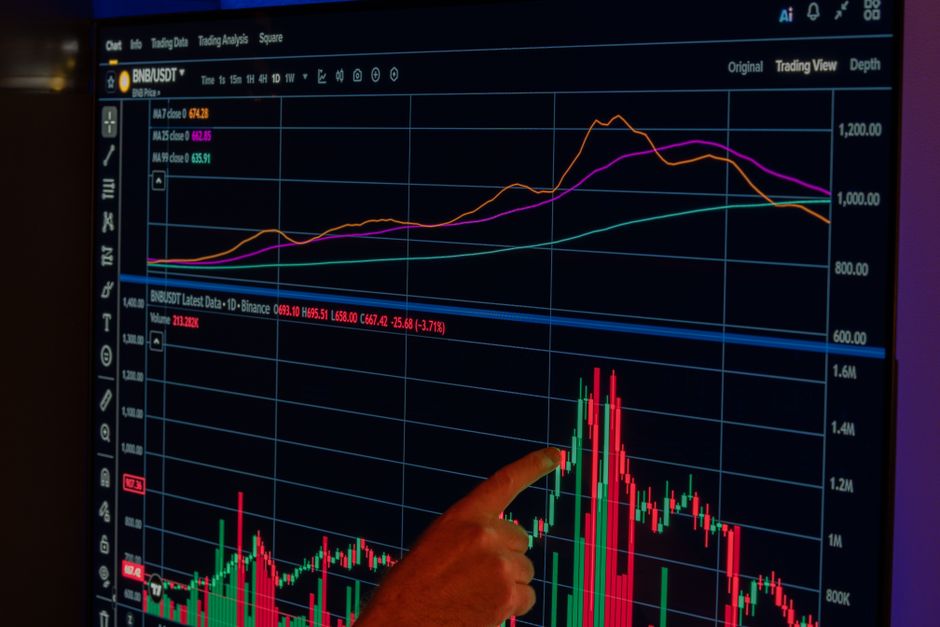
The pattern day trader rule is a US regulatory feature. The pattern day trader rule is a US regulatory feature that requires frequent day traders using margin accounts to maintain a minimum account equity. A broker's own policy can be stricter.
| Region | Equity minimum for frequent day trading | Retail margin limits |
|---|---|---|
| USA | — | — |
| UK | None | — |
| Spain, Portugal (EU) | None | — |
| Australia | None | — |
| Canada | No direct equivalent | — |
| UAE, Singapore | None at account level | Depends on the licensed broker and regulator |
Note the trade-off. Countries without a PDT minimum let you start with a smaller account, but small accounts struggle to cover commissions and data costs, and the same research above shows most active traders lose. Lower entry barriers do not equal better odds. For a rule-by-rule walkthrough, see our pattern day trader rule explained.
Cost-of-living and tax adjustment method
Instead of a made-up multiplier, use this transparent method with your own figures:
| Step | Calculation |
|---|---|
| 1. Net trading profit | Gross gains minus losses, commissions, platform and data fees |
| 2. After-tax profit | Net profit minus tax under the local rules above (include social charges where applicable) |
| 3. Living costs | Your actual annual rent, food, health insurance and transport in that city |
| 4. Real surplus | After-tax profit minus living costs |
Those are rate calculations, not income forecasts. A losing year produces no after-tax income, and in many countries rent still has to be paid.
Cost of living often outweighs tax differences. A city with a 0% tax rate and high rent can leave you with less real surplus than a moderately taxed city that is cheaper. Check current rent and health insurance quotes in your target city rather than relying on a generic index.
Visa and residency requirements
Most countries have no visa category designed for "trading my own capital". Many visas that allow residence prohibit work, and whether self-trading counts as work is a legal question, not a trading one.
| Country | Typical route people explore | Caveat |
|---|---|---|
| USA | — | No visa exists for self-trading; work-restricted visas raise questions, so consult an immigration lawyer |
| UK | Standard work, investor-type or family routes | No dedicated day trader visa |
| Canada | Skilled worker or business immigration programs | Self-trading is not a standard immigration category |
| Spain | — | — |
| Portugal | — | Eligibility depends on income source; trading profits are unlikely to count as stable passive income |
| UAE | — | Requirements and thresholds change; verify with official channels |
| Singapore | — | Not accessible on trading income alone |
| Australia | Skilled and business visas | No category for self-trading |
Editor notes: common errors and trade-offs
Several mistakes recur among people comparing countries for trading:
- Confusing tax residency with physical location. Most countries tax based on residence rules, such as days spent or where your home is. Many also require formal deregistration from your previous country. Spending a few months abroad rarely ends your old tax liability.
- Assuming "no capital gains tax" means no tax. In Singapore, for example, frequent trading can be treated as business income.
- Relying on outdated tax regime posts.
- Ignoring loss rules. Spain restricts loss offsets and repurchase timing.
- UK stamp duty (0.5% on share purchases), exchange data fees, platform subscriptions and currency conversion each reduce net income, and none appears in most "salary" claims.
- Using offshore brokers to dodge rules. An unlicensed broker removes your protections and can create reporting problems, since many tax authorities receive account data through information-sharing agreements.
The honest trade-off: low-tax jurisdictions reward consistent profitability. If you are not profitable yet, the better decision is usually to build skill in a paper or small-size account at home, under familiar rules. Compare brokers separately in our best brokers for day trading guide and review fundamentals in day trading for beginners.
FAQ
What is day trading salary by country?
It is shorthand for how much a day trader keeps after costs and tax in each country. Self-directed traders have no salary. Their income is net profit, and country affects mainly tax treatment, account rules and residency options.
How much can a day trader make?
The ceiling is high, but the evidence is discouraging. Taiwan data found fewer than 1% of day traders reliably profitable after fees, and a Brazilian study found about 1.1% earned more than the minimum wage over a long persistence period. Treat any specific income claim with suspicion.
How to reduce tax on day trading profits legally?
Use the account types and elections your country offers, keep full records, and understand whether your activity is classed as investing or a trade. Moving residency can change rates, but only if you genuinely become a tax resident elsewhere. Consult a licensed tax adviser first.
Is it safe to move abroad for day trading?
It carries real risk. A visa may not permit self-trading, tax exit rules may apply, and a lower tax rate does not help if the strategy loses money. Test profitability at home before taking a move this large.
Why do the US rules look stricter than the others?
The US sets a $25,000 minimum equity requirement for frequent margin day trading. Other countries in this comparison have no such account-level threshold but cap margin on retail CFDs or FX instead.
For more on rules and strategy, browse the trading articles hub, the complete fintech guide and market analysis.
For a complete overview, see our Crypto Trading Strategies Guide.
Disclosure: XPERTRAX (xpertrax.com) is an affiliated platform. Links and pop-ups pointing to xpertrax.com promote it. This article is for information only and is not financial advice.