
How to Start Crypto Trading in India: Steps, Tax, Safety
To start crypto trading in India, pick a regulated exchange (such as CoinSwitch or ZebPay), complete KYC with PAN, Aadhaar and a selfie, deposit through UPI or IMPS, and buy a small amount. Crypto is legal to trade but heavily taxed: 30% on gains plus 1% TDS. It is high risk, so start small.
Beginners often lose money for boring reasons, not bad luck. They ignore the tax, size positions too large, or send funds to a platform that disappears. Bitcoin sits at $63,615 and Ethereum at $1,787 per real-time market data as of November 17, 2026, so prices move fast and mistakes cost real rupees. This guide covers the exact steps, the tax maths, and the safety habits that matter.
Key finding: The 30% tax applies to gains with almost no deductions, and losses cannot be set off against other income or carried forward. Tracking cost basis from your first trade matters more than picking the "best" coin.
Is Crypto Trading Legal in India?

Yes, with conditions. The Income-tax Act treats crypto as a "virtual digital asset" (VDA) and taxes it. Crypto is high risk.
If an exchange fails, you may not be able to recover your funds. Rules can shift, so check the current position before putting in large sums.
Registered vs unregistered platforms
| Factor | FIU-registered exchange | Unregistered or offshore app |
|---|---|---|
| KYC | Mandatory (PAN, Aadhaar, selfie) | Often skipped or weak |
| INR deposits | UPI, IMPS, NEFT through banking partners | Frequently peer-to-peer or informal |
| TDS handling | 1% TDS deducted and reported | Usually not handled, leaving you exposed |
| Dispute route | Support, grievance process, legal recourse | Little to none |
| Scam exposure | Lower, not zero | Higher |
7 Steps to Start Crypto Trading in India
- Decide your budget. Use money you can lose entirely. ₹500 is a workable first purchase, and fractional buying means you do not need a full coin.
- Choose an FIU-registered exchange. Compare fees, supported coins, INR withdrawal options and security history (table below).
- Download the official app. Search the exchange name in your phone's app store and confirm the publisher. Fake clone apps exist.
- Complete KYC. Upload PAN, Aadhaar details and a selfie. Approval time varies by exchange.
- Turn on security. Enable authenticator-app 2FA before depositing.
- Deposit INR. Use UPI, IMPS or NEFT from a bank account in your own name.
- Place your first order. Use a limit order if you want a set price. Use a market order if speed matters more. Log the trade for tax records.
What to buy first
Stick to large, liquid assets while you learn. Prices below are in USD, per real-time market data as of November 17, 2026:
| Asset | Price (USD) | 24h change |
|---|---|---|
| Bitcoin (BTC) | $63,615 | -1.77% |
| Ethereum (ETH) | $1,787 | -1.46% |
| Solana (SOL) | $72.47 | +2.08% |
| XRP | $0.9607 | +0.70% |
Daily swings of a few percent are common for large coins. Smaller coins can move much more in a day.
KYC Documents You Need
- PAN card: mandatory, since your trades feed into tax reporting.
- Selfie or live video: to match your face to your ID.
- Bank account: in your own name, linked to your mobile number. Third-party accounts are rejected.
- Mobile number and email: for OTPs and alerts.
Common KYC failures and fixes:
- Name mismatch between PAN and Aadhaar: update the record at the source, then resubmit.
- Blurry or cropped uploads: photograph documents flat in daylight.
- Selfie rejected: remove glasses and caps, and face the light.
- Aadhaar not linked to your phone: link it first or use the alternative document flow if offered.
Top 5 Indian Exchanges Compared
Fees and limits change often. The table avoids fee figures; confirm them on each platform's official fee page before you deposit.
- CoinSwitch: aimed at first-time buyers. Check: current fees, INR withdrawal terms.
- ZebPay: a long-running Indian exchange. Check: spot fee tiers, supported coins.
- Check: fee schedule, product availability.
- WazirX: suffered a major security breach in July 2024. Check: current operating status and recovery terms before depositing.
- Check: fees on automated plans.
| Exchange | Best for | Verify before use |
|---|---|---|
| CoinSwitch | Simple first purchase | Fees, withdrawal timelines |
| ZebPay | — | Fee tiers, coin list |
| CoinDCX | — | Fees, order types |
| WazirX | Existing users only, with caution | Security history, platform status |
| Mudrex | — | Plan fees, minimums |
Check three things on any platform: FIU-IND registration, a public security incident history, and whether INR withdrawals work smoothly. Do not keep more on an exchange than you plan to trade this month.
Mobile App Walkthrough (Works on Most Indian Apps)
Screens differ by app, but the general flow is similar across most Indian exchange apps.
- Install the app from the official store listing and open it.
- Sign up with your mobile number and verify the OTP.
- Tap the profile or KYC section, then enter your PAN and upload your Aadhaar details.
- Take the selfie when prompted and wait for the approval notification.
- Go to Security and enable 2FA with an authenticator app, not only SMS.
- Open Wallet or Deposit, choose INR, and pay by UPI or IMPS from your own bank account.
- Open the Markets tab, pick BTC or ETH, enter the amount in rupees (for example ₹500), and review the fee shown.
- Confirm the order, then check Orders or Portfolio to see the executed price.
- Download your transaction statement monthly for tax filing.
Tax: 30% on Gains and 1% TDS Explained
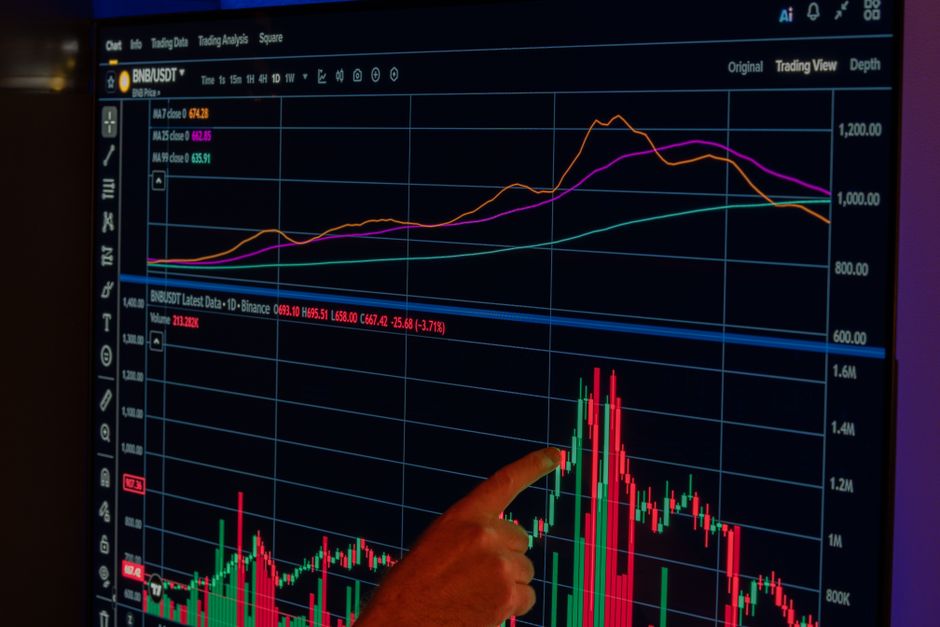
Income from transferring virtual digital assets is taxed at a flat 30%. Many people call this "30% TCS", but it is two separate things: 30% income tax and 1% TDS. TCS is a different mechanism, mainly seen in foreign remittances.
The rules in plain terms
- 30% flat tax on profit, regardless of your income slab.
- Only cost of acquisition can be deducted. Exchange fees, internet costs and similar expenses cannot.
- No loss set-off: a loss on one coin cannot offset a gain on another, or any other income.
- No carry-forward of crypto losses to later years.
- 1% TDS on the sale value, deducted by the exchange or buyer. It is a prepayment you claim as credit, not an extra tax.
- Crypto-to-crypto swaps count as transfers, so they trigger tax and TDS.
Worked examples
| Scenario | Calculation | Tax result |
|---|---|---|
| Buy ₹10,000 of BTC, sell for ₹15,000 | Gain ₹5,000 x 30% = ₹1,500; cess 4% = ₹60 | ₹1,560 total |
| Coin A gain ₹20,000, Coin B loss ₹12,000 | Tax only on ₹20,000 x 30% = ₹6,000; cess ₹240 | ₹6,240, the loss gives no relief |
| Sell ₹1,00,000 worth of crypto | 1% TDS = ₹1,000 deducted | Claimed as credit against final tax |
| Sell at a loss | No gain | No tax, but TDS may still apply and loss cannot be carried forward |
Practical tax strategy
- Track every trade from day one. Export exchange statements monthly and keep date, quantity, INR cost and sale value.
- Trade less. Every round trip creates a taxable event, and you cannot offset losses. Frequent small trades erode returns.
- Do not assume TDS settles your liability. If TDS is less than 30% of your gain, you owe the balance at filing.
- Report crypto in the VDA schedule of your income tax return, even when you made a loss.
- Consult a chartered accountant if you trade across multiple platforms or hold foreign assets. This article is not tax advice.
Withdrawal Process, Limits and Timelines
Withdrawal rules differ by platform, so read the in-app limits page. General pattern:
- Add and verify a bank account in your own name.
- Sell crypto to INR in the app.
- Request a withdrawal to the verified bank account via IMPS or NEFT.
- Complete any 2FA or OTP prompt.
- Wait for the credit. Timelines depend on the exchange's review and your bank.
| Item | What to expect |
|---|---|
| Minimum INR withdrawal | Varies by exchange; check the withdrawal page |
| Daily or monthly limits | Often tied to KYC level; varies |
| New bank account | Some platforms add a waiting period or extra checks |
| Crypto withdrawal to wallet | Network fee applies; the blockchain sets the speed |
| Delays | Common causes: KYC mismatch, bank downtime, security review |
Always test a small withdrawal first. A mistyped address on a crypto transfer cannot be reversed.
Security Tips for Indian Traders
- Use authenticator-app 2FA, not SMS alone. SIM-swap fraud is a known risk.
- Use a unique password and a password manager.
- Confirm the app and URL. Phishing sites copy exchange logins.
- Never share OTPs or screen access, even with "support agents" who contact you first.
- Whitelist withdrawal addresses if the app offers it.
- Move long-term holdings to a wallet you control (hardware wallet) instead of leaving everything on an exchange. The 2024 WazirX breach is the reminder.
- Use a separate email for crypto accounts.
- Never pay a P2P seller before confirming escrow. Use the platform's escrow flow only.
Risk Management for Small Accounts
- Cap exposure: only invest what you can afford to lose entirely.
- As a rule of thumb, start with a small amount such as ₹500 while you learn how orders, fees and tax logging work.
- Size positions: do not put more than a small slice of savings in any single coin.
- Skip leverage and futures. Leverage products amplify losses and compound the tax problem since losses are not deductible.
- Use staged buying: spread purchases over weeks to reduce timing risk.
- Set a rule before you buy: decide your exit for a loss and a gain. Avoid selling out of panic.
Common Beginner Mistakes
| Mistake | Fix |
|---|---|
| Ignoring tax until filing season | Log trades monthly and set aside funds for tax |
| Chasing coins after a big rally | Stick to a plan; avoid buying on social media hype |
| Over-trading | Fewer trades mean fewer taxable events and lower fees |
| Leaving all funds on one exchange | Spread risk; self-custody long-term holdings |
| Falling for "signal" groups | Treat unsolicited tips as scams |
| Using someone else's bank account | Always use your own verified account |
| Skipping a test withdrawal | Test a small amount before moving large sums |
Editor's Notes: Where Beginners Get Stuck
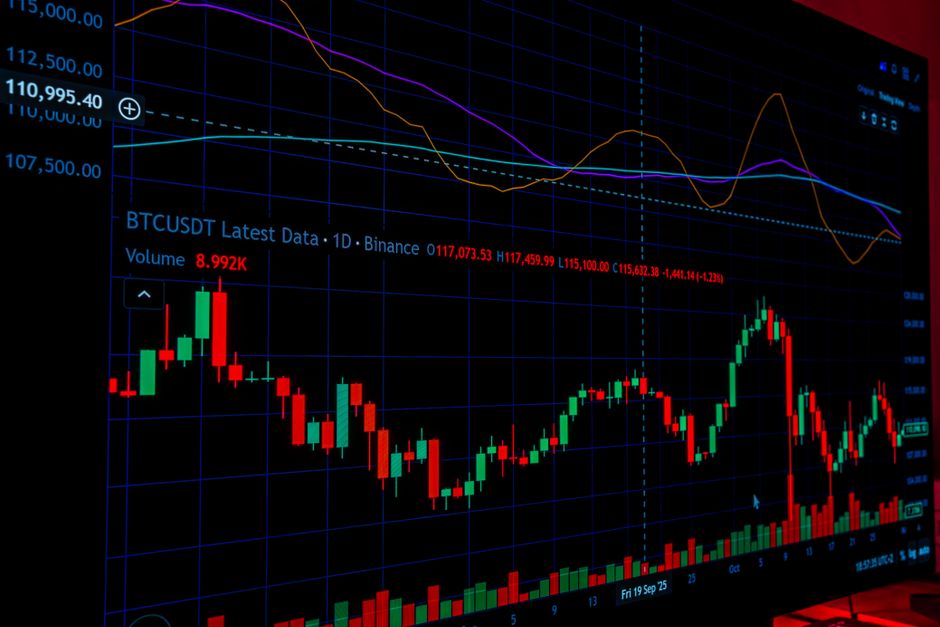
The same three problems come up repeatedly. First, KYC fails on name mismatches between PAN and Aadhaar, usually a spelling or initials issue; fix the source record before resubmitting. Second, buyers underestimate how the no-loss-set-off rule works. A trader who books ₹20,000 profit on one coin and ₹20,000 loss on another still owes tax on the full ₹20,000 gain. Third, people leave coins on an exchange for years because it is convenient, then discover withdrawal limits or platform problems only when they need the money. The cheapest fix for all three is to keep a clean transaction log, run a small test withdrawal early, and keep only active trading funds on the exchange.
FAQ
What is crypto trading in India?
It is buying and selling digital assets like Bitcoin and Ethereum through exchanges that accept INR. Gains are taxed as income from virtual digital assets.
How to start crypto trading in India with ₹500?
Register on an FIU-registered exchange, complete KYC, deposit ₹500 via UPI, and buy a fraction of Bitcoin or Ethereum. Check the app's minimum order size for each coin.
Is it safe to trade crypto in India?
Safer on registered exchanges with 2FA and your own bank account, but not risk-free. Prices are volatile, you may not be compensated if an exchange fails, and exchange hacks have happened.
Why is crypto taxed at 30% in India?
The government set a flat rate on virtual digital asset gains in the Finance Act 2022, with no loss set-off. The 1% TDS exists to track transactions and collect tax early.
How to withdraw crypto profits to a bank account?
Sell the crypto for INR, then withdraw to your verified bank account through IMPS or NEFT. Limits and timelines vary by exchange.
Continue with our complete fintech guide, explore crypto market coverage, or browse more trading articles. Related reads: crypto trading for beginners, crypto risk management guide, best crypto exchanges compared, how to buy Bitcoin safely, and crypto portfolio allocation guide.
Get Started
Disclosure: XPERTRAX (xpertrax.com) is an affiliated platform. Links and pop-ups pointing to xpertrax.com promote it. This article is for information only and is not financial advice.