
How to Start Crypto Trading for Beginners in India: Guide
A first-time trader in India can lose money to more than price moves. Many lose it to fees, to a 1% TDS deduction they did not expect, or to a Telegram "signal" group that vanished after a deposit. Start with the rules and the tax math, and the price chart matters much less.
Is Crypto Legal in India?

Crypto assets are taxed as "virtual digital assets" (VDAs) under the Income-tax Act. Trading is permitted, and the tax rules are the clearest part of the framework.
| Question | Status |
|---|---|
| Is owning or trading crypto banned? | No. The Supreme Court set aside the RBI's 2018 banking restriction in March 2020. |
| Is crypto legal tender? | No. The rupee remains the only legal tender. |
| Who regulates exchanges? | — |
| Tax on gains | 30% under Section 115BBH, plus 4% cess |
| TDS | 1% under Section 194S on transfers above the annual threshold |
| Comprehensive crypto law | Check the latest government announcements before you invest, because rules can change. |
Crypto carries risks, and you should not assume your funds are guaranteed if an exchange fails. Treat any exchange claiming to be "RBI-approved" as a red flag.
Indian Crypto Adoption: What the Data Says
High adoption does not mean high profits, and scammers often target beginners.
8 Steps to Start Crypto Trading in India
- Set a risk budget first. Pick an amount you can lose entirely without touching rent, EMIs or emergency savings.
- Collect documents. You need PAN, Aadhaar, a mobile number linked to Aadhaar, an email address, and a bank account in your own name.
- Shortlist exchanges. Confirm FIU-IND registration, INR support, UPI deposits, and clear fee pages.
- Create the account and finish KYC. Do not trade on any platform that skips identity checks.
- Secure the account. Turn on an authenticator-app 2FA and set a strong, unique password.
- Deposit a small test amount. Use UPI or IMPS from your own bank account and confirm it arrives before adding more.
- Buy a major coin with a limit or market order. Start with Bitcoin or Ethereum rather than low-priced tokens.
- Log every trade. Record the date, quantity, cost, sale value and fees for your Schedule VDA tax filing.
Choosing an Exchange
These Indian platforms are commonly used by beginners. The notes below are qualitative. Check each platform's own fee page, FIU-IND registration status and current INR deposit options before you sign up.
| Exchange | Typical positioning | Beginner note |
|---|---|---|
| CoinDCX | — | Good for moving from simple buying to order types |
| CoinSwitch | — | Easy first purchase, but check the spread and fees shown at checkout |
| Mudrex | — | Suits investors who prefer to average in over time |
| ZebPay | — | — |
| Giottus | — | Compare the fee schedule against others |
| Bitbns | — | More useful after you know the basics |
| WazirX | — | Check its current status and withdrawal terms before depositing anything |
Selection checklist:
- FIU-IND registration (check the exchange's disclosures and the official FIU-IND listing).
- Full fee disclosure: trading fee, spread, withdrawal fee, and any applicable taxes on fees.
- Support for UPI or IMPS deposits in your own name.
- Published TDS statements you can download.
- A working support channel inside the app, not just social media.
KYC: Documents and Common Errors
What you need:
- PAN card (mandatory for crypto because of TDS reporting).
- Aadhaar number with an Aadhaar-linked mobile for OTP verification.
- A live selfie or short video for liveness detection.
- Bank account details: account number, IFSC, and a name matching your PAN.
Typical flow:
- Sign up with mobile and email, then verify both with OTPs.
- Enter PAN and confirm the name pulled from records.
- Complete Aadhaar verification through OTP.
- Take the selfie or video check.
- Add and verify your bank account, often with a small penny-drop credit.
- Wait for approval. Timing varies by exchange and by how clean your data is.
Common errors and fixes:
- Name mismatch between PAN and bank: update the bank record or use the account that matches your PAN exactly.
- Aadhaar OTP never arrives: your mobile is probably not linked to Aadhaar. Update it first.
- Selfie rejected: use bright, even light, remove glasses, and hold the phone steady.
- Third-party bank account: exchanges reject deposits from accounts not in your name. Do not try to route around this.
INR Deposits and Withdrawals
| Method | Speed | Notes |
|---|---|---|
| UPI | Usually fast | Subject to per-transaction and daily UPI limits set by your bank and the app |
| IMPS | Usually fast | Works around the clock, with bank-specific limits |
| NEFT | Slower | Better for larger transfers, and credit time depends on the bank |
| RTGS | Fast in banking hours | Meant for large amounts, with a minimum transfer value set by banks |
Withdrawing to your bank: sell the coin for INR, then request a withdrawal to your verified bank account. Processing time and any withdrawal fee depend on the exchange.
Bank friction: some banks question or temporarily restrict transfers linked to crypto. Keep a record of your exchange statements. Be especially careful with peer-to-peer (P2P) trades, where a buyer's funds may be linked to fraud and your bank account can be frozen. For a first trade, use the exchange's regular INR order book instead.
30% Tax and 1% TDS Explained
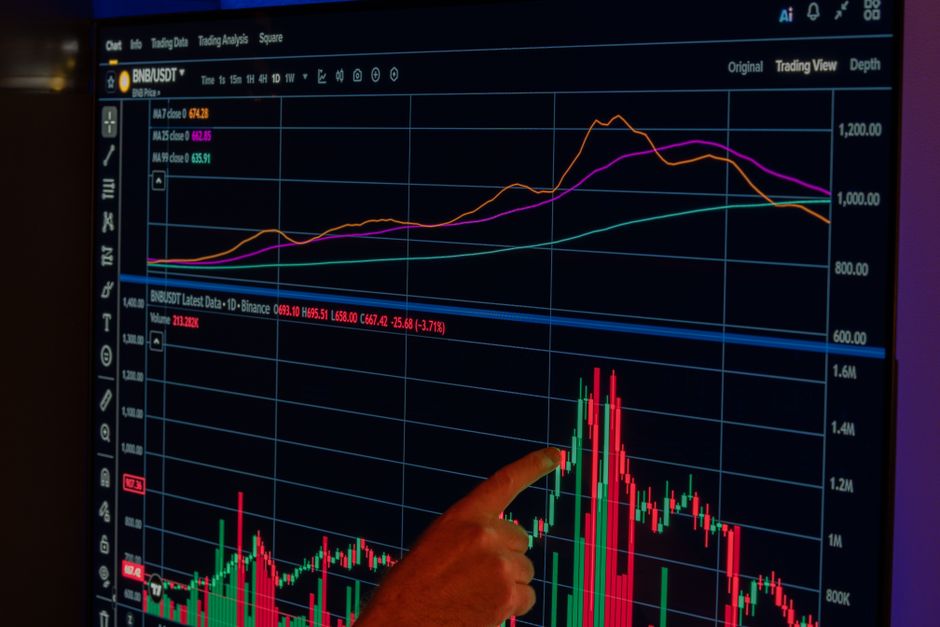
The rules, as set out under Sections 115BBH and 194S of the Income-tax Act:
- Profit on transfer of a VDA is taxed at a flat 30%, plus 4% health and education cess (and surcharge for high incomes).
- Only the cost of acquisition can be deducted. Fees for exchange services, internet and similar expenses are not deductible.
- Losses from one VDA cannot be set off against gains from another, or against other income, and cannot be carried forward.
- 1% TDS applies to transfers above the annual threshold.
- Swapping one crypto for another counts as a transfer and can trigger tax and TDS.
- Report on Schedule VDA of your income tax return.
Example 1: A single profitable trade
| Item | Amount |
|---|---|
| Buy cost | ₹1,00,000 |
| Sale value | ₹1,50,000 |
| Gain | ₹50,000 |
| Tax at 30% | ₹15,000 |
| Cess at 4% of tax | ₹600 |
| Total tax | ₹15,600 |
| 1% TDS already deducted on ₹1,50,000 | ₹1,500 |
| Balance payable when you file | ₹14,100 |
Example 2: A win and a loss
Trade A gains ₹50,000 and Trade B loses ₹30,000. You do not net them. Tax applies to the ₹50,000 gain only, which is ₹15,000 plus cess. The ₹30,000 loss earns no tax relief.
Can you "avoid" the 30% tax?
You cannot legally avoid it on realized gains. What you can do:
- Trade less. Every sale creates TDS and potential tax with no loss offset. Frequent short-term trading is the most expensive way to start.
- Do not sell if there is no need. Tax arises on transfer, not on holding.
- Keep clean records. TDS credits appear in Form 26AS and the Annual Information Statement (AIS), so reconcile them with your own log.
- Consult a chartered accountant for gifts, business-income treatment and high-income surcharge.
Any service promising to "hide" crypto gains is a legal risk and often a scam.
What to Buy First
Beginners should favour large, liquid coins. Here are reference prices from real-time market data as of November 16, 2026, according to CoinGecko. These are USD prices. INR prices on Indian exchanges differ because of the exchange rate, liquidity and spreads.
| Coin | Price (USD) | 24h change |
|---|---|---|
| Bitcoin (BTC) | $64,770 | -0.22% |
| Ethereum (ETH) | $1,812 | -0.66% |
| BNB | $590 | -0.31% |
| Solana (SOL) | $71.01 | -0.97% |
| XRP | $0.9543 | -0.46% |
A low coin price does not mean it is cheap. You can buy fractions of Bitcoin, so you do not need to afford a full coin. A small starting amount lets you learn the order screen, fees and tax logging without large losses.
Risk Management Rules
- As a rule of thumb, many traders risk only a small percentage of trading capital, such as 1%, per trade. With ₹50,000 in capital, 1% is ₹500.
- Size the position from the stop-loss. Position size equals the money you will risk divided by the distance between entry and stop.
- Set the stop before entering. Moving it further away after the trade turns bad is how small losses grow.
- Avoid leverage and futures at the start. Losses can exceed what you planned, and you cannot offset them for tax.
- Cap exposure to altcoins. Keep the bulk of any portfolio in the largest coins.
- Do not average down on a falling coin without a written plan.
Position sizing example
| Item | Value |
|---|---|
| Trading capital | ₹50,000 |
| Risk per trade (1%) | ₹500 |
| Entry price | ₹100 per unit |
| Stop-loss | ₹95 per unit |
| Risk per unit | ₹5 |
| Units to buy (₹500 / ₹5) | 100 units |
| Position value | ₹10,000 |
Remember that India's tax rules punish losing trades: you pay 1% TDS on every sale and cannot claim the loss. A stop-loss still protects your capital, but you must size each trade with that cost in mind. See this explanation of stop-loss orders on Investopedia if the mechanics are new to you. Also read our guide to crypto risk management and stop-loss and position sizing.
6 Beginner Mistakes in India
- Ignoring TDS and tax. Beginners often discover the 1% deduction only after the first sale.
- Overtrading. Each sale triggers TDS, GST on fees and spreads, and loss offsets are barred.
- Using a platform without FIU-IND registration. If it fails or freezes withdrawals, you have little recourse.
- Buying through P2P with strangers. This is a common route to frozen bank accounts.
- Keeping everything on the exchange. Use a hardware wallet for long-term holdings you do not plan to trade. Our best crypto wallets guide covers the options.
Scam Prevention and Security
- Install exchange apps only from the official links on the exchange's own website.
- Use an authenticator app for 2FA rather than SMS alone.
- Never share OTPs, seed phrases or screen access with anyone claiming to be support.
- Be suspicious of "guaranteed returns", "AI trading bots", and invitations from strangers to join investment groups.
- Turn on withdrawal address whitelisting if the exchange offers it.
- Do not pay "tax" or "release fees" to withdraw funds from a platform. That is a standard scam pattern.
- If you are defrauded, report it on the National Cyber Crime Reporting Portal and tell your bank immediately.
Support: Choose an exchange with an in-app ticket system, and keep screenshots of every ticket. Responses and hours differ by platform, so test support with a simple question before you deposit large sums.
What Experienced Traders Check First
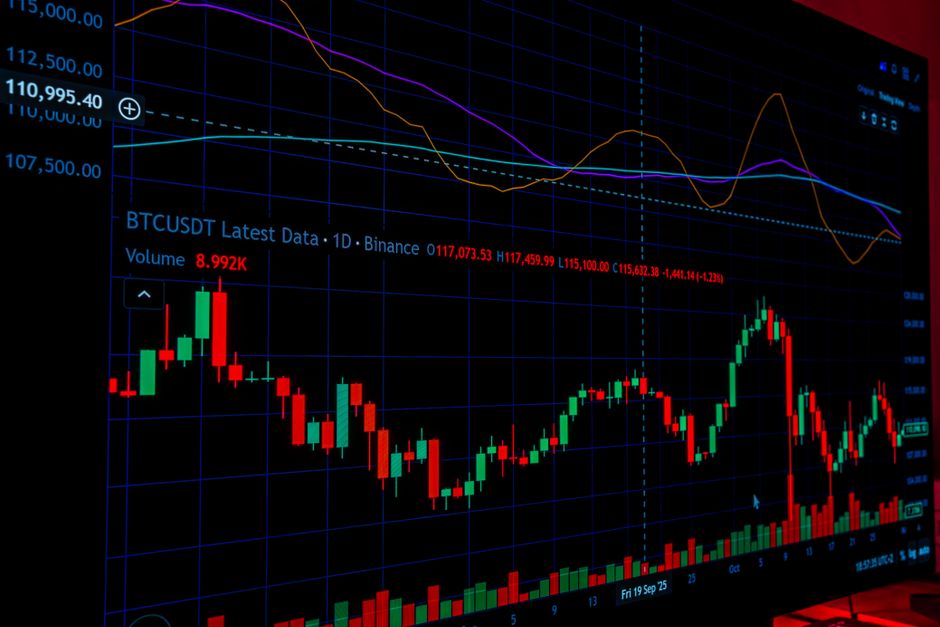
The biggest practical gaps for new Indian traders are in the small details. The name on your PAN, Aadhaar and bank account must match, or KYC stalls. Your first deposit should be small, from your own bank account, to confirm the route works. Before each sale, check whether the amount will cross the TDS threshold and estimate the tax it creates. After each financial year, download your exchange's TDS and trade statements and match them with Form 26AS and AIS before filing. The cleanest approach for a beginner is a few trades, a documented plan, and no leverage, rather than frequent speculation that the tax code penalizes.
FAQ
What is crypto trading in India?
It is buying and selling digital assets such as Bitcoin and Ethereum through an exchange, paying in rupees by UPI or bank transfer. Gains are taxed as income from virtual digital assets under Indian tax law.
How to start crypto trading for beginners in India?
Choose an FIU-IND-registered exchange, complete PAN and Aadhaar KYC, deposit a small amount from your own bank account, buy a major coin, and log every transaction for tax.
Is it safe to trade crypto in India?
It is legal but carries risk. Prices swing sharply, exchanges can fail, and scams are common. Use a registered exchange, enable 2FA, avoid leverage, and invest only what you can afford to lose.
Why is crypto tax so high in India?
The government set a flat 30% tax on gains, with no deduction for expenses beyond purchase cost and no loss set-off. A 1% TDS is added to track transactions.
How much money do I need to start?
There is no legal minimum. Order minimums vary by exchange, and you can buy fractions of a coin. A small starting amount is practical for learning.
Do I have to report crypto if I did not sell?
Tax arises on transfer, not on holding. Still, keep your records and consult a chartered accountant on how to report holdings and any income.
Bottom line: Start small, use a registered exchange, record every trade, and treat the tax and TDS as a fixed cost of trading in India. For more, browse our complete crypto guide hub, more trading articles, crypto trading strategies for beginners, and the adjacent demat account guide for Indian investors.
Disclosure: XPERTRAX (xpertrax.com) is an affiliated platform. Links and pop-ups pointing to xpertrax.com promote it. This article is for information only and is not financial advice.