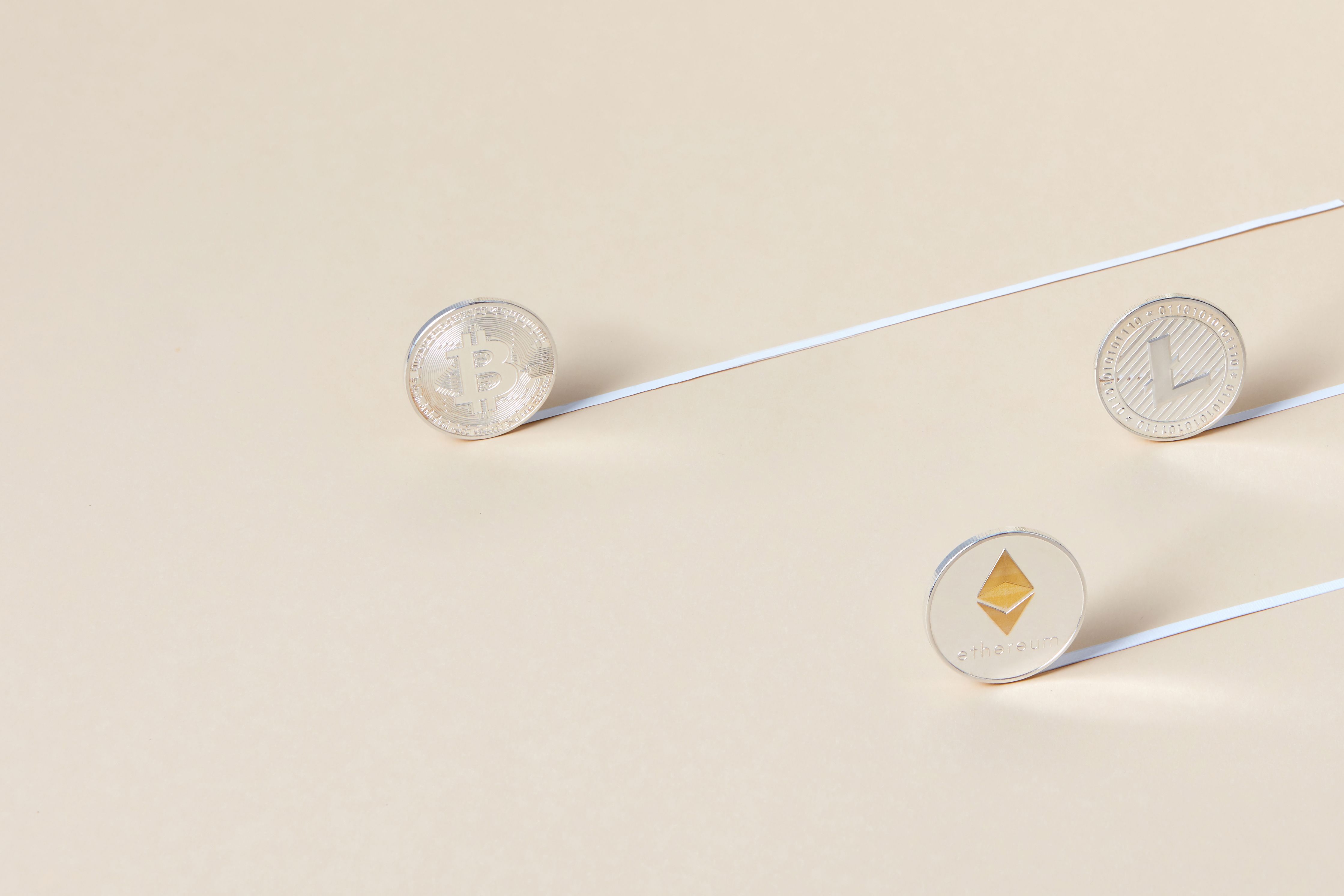
What Is Stablecoins Used For? 7 Real Uses and Risks
Look at the market today. Per real-time market data as of November 6, 2026, Bitcoin trades at $76,214 (down 5.33% in 24 hours), Ethereum at $2,242 (down 7.35%), and Solana at $90.18 (down 5.79%). Every major coin is red. A dollar stablecoin like USDT or USDC is designed to sit at $1.00 through all of it.
That single property explains almost everything stablecoins are used for. Traders park profits in them. Migrant workers send wages home with them. Savers in weak-currency economies hold them instead of local cash. This guide covers each use, what it costs, which rules apply, and where it can go wrong.
What Stablecoins Are and How They Work

A stablecoin is a cryptocurrency built to hold a steady price, most often $1.00. According to Investopedia, stablecoins achieve this by pegging to a reserve asset such as a fiat currency or commodity, or by using algorithms and collateral to manage supply.
The mechanics for the most common type, fiat-backed coins, are simple:
- An issuer takes in dollars and holds them as cash and short-term assets.
- It mints the same number of tokens on a blockchain such as Ethereum, Tron or Solana.
- Approved users can redeem tokens for dollars at $1 each. That redemption right is what keeps the market price near $1.
The token then moves like any crypto asset: around the clock, in minutes, to any compatible wallet. That is the product. It is a dollar claim with internet-native settlement.
7 Things Stablecoins Are Used For
- Crypto trading and exchange pairs. Most altcoins trade against USDT or USDC rather than against bank dollars. Traders exit a volatile position into a stablecoin without leaving the exchange or waiting on a bank transfer. With Bitcoin down 5.33% today, this is the use most visible right now.
- Cross-border payments and remittances. Sender converts local currency to a stablecoin, sends it on-chain, and the receiver cashes out locally. The saving comes from skipping correspondent banks, though on and off-ramp fees still apply (see the cost section below).
- Dollar savings in high-inflation economies. Savers in countries with weak or restricted currencies use dollar stablecoins as a store of value.
- DeFi lending and liquidity. On protocols such as Aave and Compound, users lend stablecoins to borrowers and earn variable interest. Stablecoins are also the base asset in many liquidity pools. Yield rates change constantly, so quoting one here would be misleading.
- Business and treasury settlement. Companies pay overseas contractors, move cash between exchanges and desks, and settle trades on weekends when banks are closed.
- Online and e-commerce payments. Some merchants accept stablecoins directly or through payment processors. PayPal's PYUSD is an example of a mainstream payments company issuing its own coin.
- Gaming and creator economies. Some Web3 games and marketplaces price items in stablecoins so players are not exposed to the volatility of a native token.
Types of Stablecoins Compared
Not all stablecoins hold their peg the same way. The backing mechanism determines the risk.
| Type | How it holds the peg | Examples | Main advantage | Main weakness |
|---|---|---|---|---|
| Fiat-backed | Reserves of cash and short-term assets held by an issuer | USDT, USDC, PYUSD | Simple, deep liquidity | Depends on issuer honesty and reserve quality |
| Crypto-collateralized | Overcollateralized crypto locked in smart contracts | DAI | Decentralized, on-chain transparency | Collateral can fall sharply; smart contract risk |
| Synthetic (hedged) | Crypto collateral offset by derivatives positions | USDe (Ethena) | Can pass on yield | Complex; exposed to funding rates and exchange risk |
Top 5 Stablecoin Examples and Their Use Cases
| Stablecoin | Issuer | Type | Best known for |
|---|---|---|---|
| USDT (Tether) | Tether | Fiat-backed | Exchange trading pairs and remittances on networks like Tron; Tether publishes reserve attestations |
| USDC | Circle | Fiat-backed | DeFi, business payments, and a compliance-focused reputation |
| PYUSD | PayPal (issued via Paxos) | Fiat-backed | Consumer payments tied to the PayPal ecosystem |
| USDe | Ethena | Synthetic | Yield-oriented holders who accept extra complexity |
USDC showed that even a regulated, fiat-backed coin can wobble. In March 2023, Circle disclosed that $3.3 billion of its reserves were held at Silicon Valley Bank, and USDC traded well below $1 for a short period before recovering. A peg is a promise backed by assets, not a law of nature.
Payment Cost Comparison: Stablecoins vs Traditional Rails
| Factor | Bank wire / money transfer operator | Stablecoin transfer |
|---|---|---|
| Typical total cost | — | Network fee plus on-ramp and off-ramp spreads; varies widely |
| Settlement speed | — | Minutes on-chain; cash-out time depends on the local exchange |
| Operating hours | Banking days | 24/7 |
| Receiver needs | Bank account or pickup agent | Wallet plus a local way to cash out |
| Price risk in transit | None after the exchange rate is fixed | Low, but not zero if the peg slips |
An illustrative calculation, using assumed rates rather than quoted prices: sending $500 at a 6% all-in cost costs $30. At 3%, it costs $15. On $500 a month, that is $180 a year. Whether stablecoins actually hit 3% depends entirely on the on-ramp and off-ramp fees in your two countries, so price both ends before you commit.
Regulation by Jurisdiction
Rules are tightening quickly, and the US now has a federal framework.
| Jurisdiction | Status |
|---|---|
| United States | The GENIUS Act, signed July 18, 2025, creates a federal framework for payment stablecoins: permitted issuers, full reserve backing in cash and short-term Treasuries, and regular reserve disclosure. Its main provisions take effect on a set timeline tied to the later rulemaking, so check the current status at Reuters or the regulators' own pages. |
| European Union | MiCA rules for stablecoins (e-money tokens and asset-referenced tokens) have applied since June 30, 2024, with issuer authorization and reserve requirements. |
| Hong Kong | — |
| Singapore | — |
| Japan | — |
| United Kingdom | A dedicated regime is being developed by the FCA and Bank of England; check the current status before relying on UK-issued coins. |
The practical effect: a stablecoin available on a US or EU exchange today may be delisted or restricted in your region if its issuer is not authorized there. Confirm what your platform supports and what your local tax authority expects. In many countries, converting between stablecoins and crypto, or spending them, can be a taxable event.
When to Use Stablecoins vs Alternatives
| Goal | Stablecoin fit | Better alternative when |
|---|---|---|
| Move out of volatile crypto temporarily | Strong | You plan to cash out to bank dollars soon; withdraw directly |
| Send money abroad regularly | Good if both ends have cheap ramps | The corridor already has a low-cost bank or app transfer |
| Save in dollars where local currency is unstable | Good, with issuer risk | You can legally hold a foreign-currency bank account |
| Earn yield | Possible, with smart contract and platform risk | Insured savings or Treasury bills if safety matters most |
| Everyday purchases at home | Weak | Cards and bank transfers are simpler and consumer-protected |
First-Time User Walkthrough
- Choose a regulated exchange available in your country. Check that it supports the coin you want and your local deposit method.
- Verify your identity. Expect to upload ID; limits rise with verification level.
- Deposit local currency by bank transfer or card, then buy USDC or USDT. Compare the quoted price with $1.00 to see the spread.
- Set up a self-custody wallet if you plan to hold or send. Write down the recovery phrase offline. See our best crypto wallet guide.
- Send a small test amount first. Confirm the receiving address and the network before sending the full amount.
- Record the transaction for tax reporting.
Practical Notes From the Field
The most common costly mistake is choosing the wrong network. USDT and USDC exist on several blockchains, and an address that works on Ethereum will not necessarily work on Tron. Sending to the wrong network can mean permanent loss or a recovery process that depends on the receiving platform's support. Always match the network on both sides, and send a small test first.
The second mistake is ignoring the spread. A "zero fee" buy that fills at $1.01 costs you 1%. Compare the fill price to $1.00, and compare withdrawal fees by network. Cheaper networks usually mean lower fees but may offer fewer integrations. The third mistake is leaving large balances on an exchange you do not control. Exchanges can freeze withdrawals or fail, and a stablecoin held there is a claim on the exchange, not on the chain.
Also be aware that issuers can freeze tokens at specific addresses. That is a feature for compliance and a limitation for anyone who assumes stablecoins are fully censorship-proof. For background on how DeFi protocols use these coins, read our DeFi explained guide.
Risk Disclosure
- Depeg risk: A stablecoin can trade below $1, sometimes sharply, as USDC did in March 2023.
- Issuer and reserve risk: You rely on the issuer's reserves being real, liquid and accessible. Read the attestation or disclosure reports.
- Smart contract and protocol risk: DeFi yield comes with the risk of code exploits and platform failure.
- Regulatory risk: Rules differ by country and are still changing. A coin can be restricted on your platform.
- No deposit insurance: Stablecoins are generally not covered by FDIC-style bank deposit protection.
- Freeze and blacklist risk: Issuers can block addresses.
This article is educational and is not financial, legal or tax advice. Only commit funds you can afford to have temporarily inaccessible or lose.
FAQ

What is a stablecoin used for in simple terms?
It works as digital dollars on a blockchain. People use it to trade crypto without leaving the market, send money internationally, earn interest in DeFi, and hold dollar value where local currencies are unstable.
How do I start using stablecoins?
Open an account on a regulated exchange that serves your country, complete identity verification, deposit local currency, and buy USDC or USDT. Move to a self-custody wallet if you want to hold them yourself, and always send a small test transaction first.
Is it safe to hold stablecoins?
Safer than most crypto, but not risk-free. Fiat-backed coins from transparent issuers carry lower risk than algorithmic ones. Risks include depegging, issuer failure, platform failure and regulatory change. Diversify and avoid holding more than you can afford to have restricted.
Why do traders prefer stablecoins over cash?
They settle on-chain in minutes at any hour, and they are the quote currency for most exchange pairs. Moving to a stablecoin avoids bank transfer delays when markets are falling, as they are today with Bitcoin at $76,214.
Are stablecoins legal?
In most major markets, yes, under growing regulation. The US has the GENIUS Act, the EU has MiCA, and Hong Kong, Singapore and Japan have licensing regimes. Rules and tax treatment vary, so check your own jurisdiction.
Related Reading
- Pillar: Complete fintech guide
- Sibling: how to buy Bitcoin safely
- Sibling: best crypto wallet guide
- Sibling: what is DeFi explained
- Adjacent: cross-border payments explained
- Adjacent: crypto trading for beginners
- Hub: More crypto articles
Market data for Bitcoin, Ethereum and Solana is from real-time market data as of November 6, 2026.
Disclosure: Pro Trader Daily and xpertrax.com are operated by the same owner. Links and pop-ups pointing to xpertrax.com promote our own products. This article is for information only and is not financial advice.