
Best Crypto Options Trading India: What Evidence Shows
A premium of a few hundred rupees can vanish in hours. A tax bill can arrive even in a year when your account is down. Those two facts catch more Indian options traders off guard than any chart pattern.
Search results for this topic are mostly platform lists written from marketing pages. They skip the legal and tax questions that decide whether a trade is worth taking at all. This guide ranks criteria, not brands, because the verified source data available for this article supports only one named product (Binance options). Inventing a top-10 with made-up fees would be worse than useless.
Legal and RBI Status of Crypto Options in India
India's Supreme Court set aside the Reserve Bank of India's 2018 banking restriction on crypto businesses in March 2020.
| Topic | Where it stands | What it means for you |
|---|---|---|
| Legal tender | Crypto is not legal tender | You hold it as an asset, not as money |
| Ban | — | Trading is not a crime, but it is not protected either |
| Market regulator | — | — |
| AML rules | — | Check the registration before KYC |
| Tax | — | — |
| Offshore platforms | — | Access can be interrupted; funds can be stranded |
Rules change often, so verify against the Income Tax Department and FIU-IND websites before acting. Nothing here is legal or tax advice.
7 Criteria That Define the Best Crypto Options Trading in India

Use these in order. A failure on the first two should end your research.
1. Registration and a clear Indian presence
Look for FIU-IND registration of the operator, a named legal entity, a grievance contact and published terms. Registration is not a safety guarantee, but its absence is a clear warning. Do not rely on a badge in a footer; check the official registry.
2. INR deposit and withdrawal rails
For Indian users, the practical question is how money gets in and out. Check whether the platform supports UPI, IMPS or NEFT, whether withdrawals go only to your own verified bank account, and whether there are per-transaction limits. A platform that only accepts third-party peer-to-peer transfers adds counterparty risk. Rail availability changes, so confirm it in the deposit screen before you commit.
3. Contract specifications: underlyings, expiries and minimum size
You need three answers in writing:
- Underlying assets. Most crypto options venues center on BTC and ETH, and some add SOL. At current prices, BTC trades at $63,746, ETH at $1,791 and SOL at $72.82 (real-time market data as of November 17, 2026).
- Expiry cycles. Daily, weekly and monthly expiries are common on major crypto options venues, but not every platform lists all three for every asset. Short-dated contracts decay fastest.
- Minimum order size. Some platforms advertise tickets as low as ₹100. Treat that as marketing until you see the contract multiplier, tick size and minimum premium in the order ticket. A tiny headline minimum can still sit on top of a fee that eats most of it.
4. Fee structure: maker, taker and settlement
Compare maker and taker rates, but also check exercise or settlement fees, GST on fees, and any INR conversion spread. Fees are quoted differently across venues (percent of premium, percent of notional, or flat per contract), so convert them to the same basis before comparing. Official fee schedules change; always use the live page.
5. Margin and risk controls
Buying an option limits your loss to the premium. Selling (writing) an option can create losses far larger than the premium collected. Check whether the platform offers defined-risk strategies, shows liquidation prices, and sets position limits. Compare the maximum borrowed exposure each platform allows, and be skeptical of anything that markets high multiples.
6. KYC process and withdrawal timeline
KYC requirements differ by platform, so check which documents are required before you start. Approval time varies by platform and by queue, so avoid platforms that promise exact minutes without proof. Test with a small withdrawal first, before building a position.
7. Mobile app, support channels and language
Most Indian traders use phones. Check whether the app shows the full options chain, Greeks and expiry countdowns, not just a simplified buy button. Then check support: live chat hours, email response commitments, and whether Hindi or other Indian-language help exists. If the only support is a chatbot, factor that in.
The One Named Platform the Source Data Supports
The only verified, on-topic source available for this article is the official Binance options trading page, which sits within Binance's derivatives offering. It is the right place to read contract lists, expiry cycles and fee tiers directly from the provider. This article does not quote specific fees or limits from it because they change and are not reproduced here.
Before using it, or any international exchange, confirm three things for your own situation: whether options are available to Indian residents, whether your account type is eligible, and how deposits and withdrawals work for you. If any answer is unclear, ask support in writing and keep the reply.
For readers who want options on Indian exchanges, index options on NSE are a separate product with a different cost and tax structure.
Platform Comparison Checklist
Copy this table into a note and fill it in for every platform you shortlist. Each cell should be answered from the platform's own documentation, not from a review site.
| Criterion | What to verify | Red flag |
|---|---|---|
| Registration | FIU-IND registry entry; named legal entity | No entity name, only a social media presence |
| INR deposit methods | UPI, IMPS, NEFT availability and limits | Only third-party transfers |
| Underlyings | BTC, ETH, SOL listed or not | Vague "all major coins" claims |
| Expiries | Daily, weekly, monthly per asset | No expiry calendar shown |
| Minimum order | Contract size and minimum premium (including any ₹100 claim) | Headline minimum not matching the order ticket |
| Maker/taker fees | Rate basis, settlement fee, GST | Fees only visible after order confirmation |
| Borrowed exposure limits | Maximum margin multiple and liquidation rules | Marketing built around very high multiples |
| KYC timeline | Documents required; stated review time | Trading allowed before any KYC |
| Withdrawals | Own-bank-account only; any delay policy | Withdrawal fees not disclosed |
| Demo or paper trading | Availability of a practice mode | No way to test order flow without real money |
| Support | Hours, channels, Hindi availability | Chatbot only |
| Mobile app | Options chain, Greeks, order types | Spot-only interface with an options tab hidden |
Tax on Crypto Options in India
- Limited deductions.
- TDS. Get a written view from a chartered accountant on how tax rules apply to crypto options.
- Reporting.
Keep a trade log with dates, premiums, fees and settlement values. For broader context, read our Bitcoin tax in India guide.
Risk Management for Indian Traders
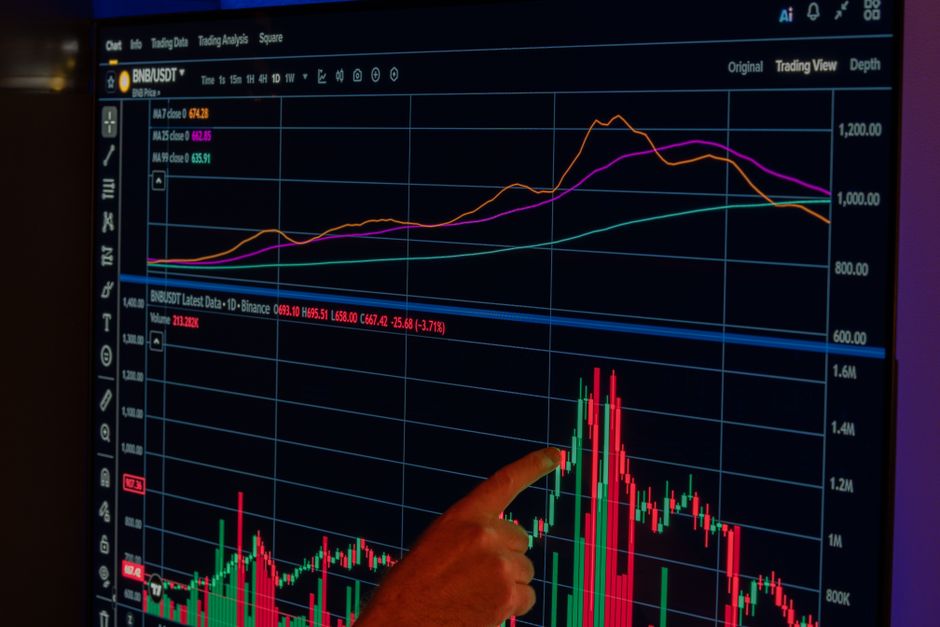
Crypto moves faster than most assets. In the last 24 hours, Bitcoin moved -1.51% to $63,746, Ethereum -1.20% to $1,791, and Solana +2.62% to $72.82 (real-time market data as of November 17, 2026). On a quiet day that is already large for option buyers watching a short expiry.
| Underlying | Price | Value of a 1% move |
|---|---|---|
| Bitcoin (BTC) | $63,746 | About $637 |
| Ethereum (ETH) | $1,791 | About $18 |
| Solana (SOL) | $72.82 | About $0.73 |
Practical rules:
- Start as a buyer, not a seller. Long calls and puts cap the loss at the premium. Naked short options do not.
- Size by premium at risk. Decide the maximum rupee loss per trade before you open the order ticket, and treat it as already spent.
- Avoid the shortest expiries early on. Daily contracts lose time value fastest, and a correct view can still lose money if the move comes too late.
- Check the Greeks. Delta shows directional exposure, theta shows daily decay, vega shows sensitivity to volatility. Learn them using the options explainers on Investopedia before real trading.
- Keep money separate. Do not fund margin from emergency savings or borrowed money.
- Practice first. Use a demo mode if the platform has one; if not, paper-trade in a spreadsheet for a few weeks.
Our crypto futures trading guide covers margin and liquidation mechanics that apply to option writers as well.
Common Mistakes Indian Traders Make
- Trusting a ₹100 minimum. Small entry tickets are not the same as small risk once fees and spreads are added.
- Ignoring tax until the end of the year. Tax rules and loss restrictions can change which strategies make sense.
- Choosing by sign-up bonus. Bonuses often come with trading volume conditions.
- Depositing through third-party accounts. It can trigger account freezes and bank questions.
- Selling options without understanding margin. Losses on short positions can exceed the premium received.
- Skipping the withdrawal test. Move a small amount out first, and confirm it arrives in your own bank account.
Editor Notes: Reading a Contract Before You Click
Before placing any crypto options order, open the contract details and read five lines: the underlying, the strike, the expiry date and time (including time zone, since many crypto venues settle on a UTC schedule that differs from Indian market hours), the settlement type (cash or physical), and the exercise style. A common error is assuming expiry happens at Indian market close, which it usually does not. Another is confusing the premium quoted per unit with the total order cost: multiply by contract size and quantity first. If the platform shows an estimated fee on the confirmation screen, compare it to the published maker or taker rate. A mismatch usually means the order was treated as a taker order because it crossed the spread. Using limit orders at or inside the spread is the standard fix.
FAQ: Crypto Options Trading in India
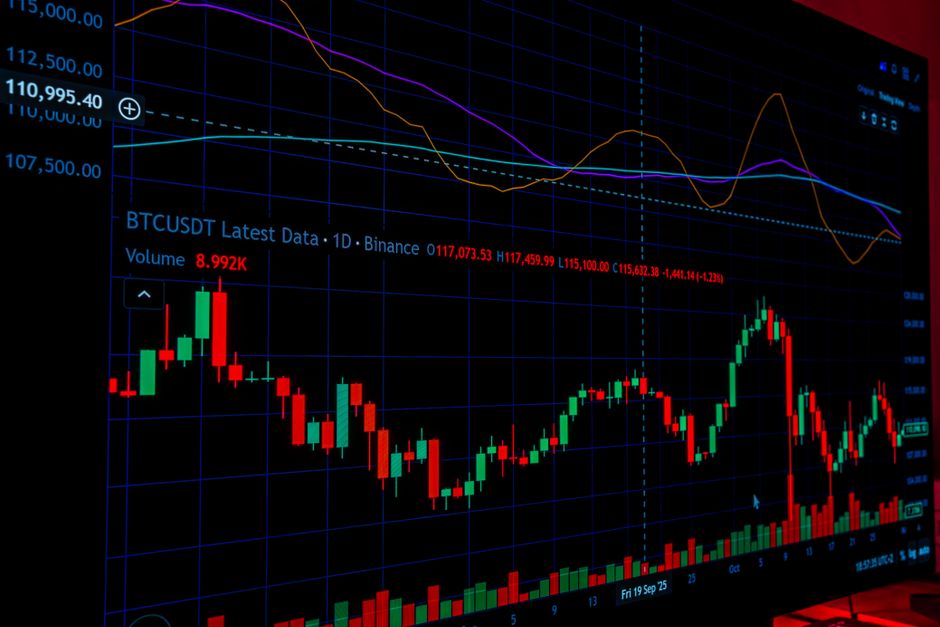
What is crypto options trading?
It is a contract that gives the buyer the right, but not the obligation, to buy (call) or sell (put) a crypto asset such as BTC, ETH or SOL at a set strike price on or before an expiry date. The buyer pays a premium; the maximum loss for a buyer is that premium.
Is crypto options trading legal in India?
Check the current legal and regulatory position in India before trading, as rules change.
How to start crypto options trading in India?
- Confirm the provider's FIU-IND registration.
- Complete KYC with your PAN and ID.
- Link your own bank account and deposit a small amount via the supported INR method.
- Read the contract specs and fee page.
- Place a small limit order as a buyer, and test a withdrawal.
Is it safe to trade crypto options in India?
It is high risk regardless of platform. Option buyers can lose the entire premium, and sellers can lose more than they collect. Registration, clear fee disclosure and withdrawal tests reduce platform risk but not market risk.
Why is tax such a big factor in crypto options?
Because tax rules on gains and losses can leave you owing tax even when your account is flat or negative. A strategy with many small wins and a few large losses can leave you owing tax while your account is flat or negative.
What is the minimum amount to trade crypto options in India?
It depends on the contract size and the platform. Some platforms advertise starting tickets around ₹100, but you should confirm the actual minimum premium, contract multiplier and fees in the order ticket.
Do Indian platforms offer Hindi support and UPI?
Some do and some do not, and policies change. Check the deposit screen for UPI, IMPS or NEFT, and the support page for language options, before you complete KYC.
Read Full Guide: Check Contract Specs
Related Reading on Pro Trader Daily
- Complete crypto trading guide hub
- Complete fintech guide
- Best crypto exchanges in India compared
- Bitcoin tax in India explained
- Crypto futures trading guide
- Nifty options trading basics
- More trading articles
Crypto options are high-risk instruments and this article is general information, not financial, legal or tax advice. Prices cited are real-time market data as of November 17, 2026 and change constantly.
Disclosure: XPERTRAX (xpertrax.com) is an affiliated platform. Links and pop-ups pointing to xpertrax.com promote it. This article is for information only and is not financial advice.