
Cryptocurrency Investment Risks You Should Know: The Truth
On November 5, 2026, Bitcoin trades at $75,968 after a 5.33% drop in 24 hours, and Ethereum is at $2,248 after falling 7.25% (real-time market data as of November 5, 2026). Moves like that happen without any news, and they do not wait for you to be ready.
What Regulators and Reference Sources Say
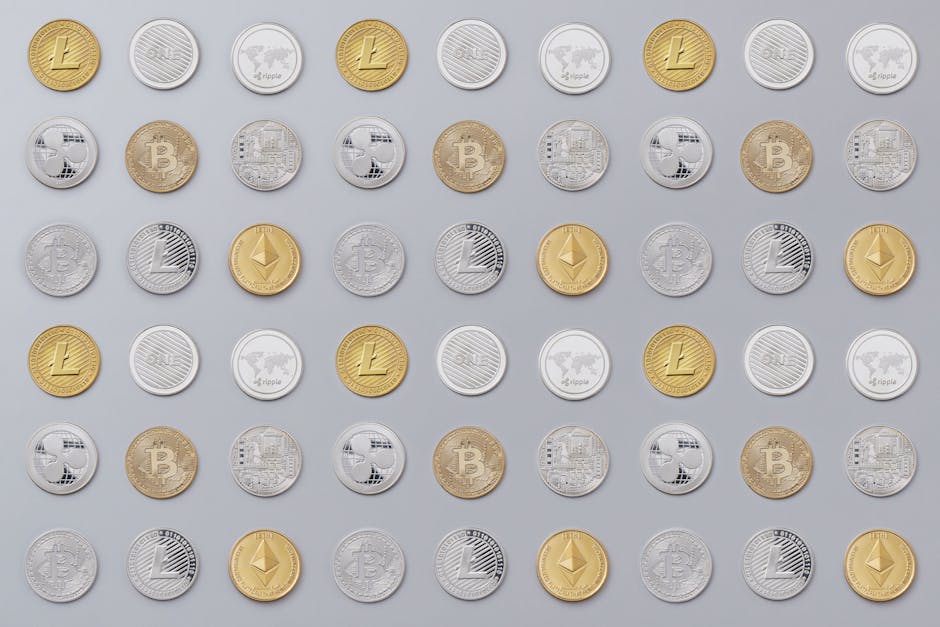
Investopedia's cryptocurrency overview lists the same weak points among the drawbacks: high volatility, security exposure and limited regulatory protection.
7 Cryptocurrency Investment Risks Ranked
The order below is an editorial ranking of how damaging each risk can be for ordinary investors, not how dramatic it sounds.
- Market volatility and drawdowns. Declines of 70% or more have happened to Bitcoin more than once, and smaller coins fall further (details below).
- Counterparty and custody failure. When an exchange or lender fails, customer assets can be frozen or lost. Mt. Gox (2014) and FTX (bankruptcy in November 2022) are the best-known examples. Both involved customers who believed their coins were safe on the platform.
- Scams and fraud. Fake giveaways, romance-investment schemes, phishing sites and rug pulls (developers abandoning a token after raising money) work because crypto transfers are irreversible.
- Hacks and smart contract exploits. The Ronin bridge breach in March 2022 drained roughly $600 million. The Bybit theft in February 2025, roughly $1.5 billion, was attributed by the FBI to North Korean actors. DeFi protocols add code risk on top of market risk.
- Regulatory and legal risk. Rules differ by country and change quickly. A token can be reclassified, a platform can exit your market, or a product can be restricted.
- Tax, reporting and liquidity risk. Selling, swapping and spending crypto can each be a taxable event. Small tokens can also be hard to sell at a fair price during stress.
Market Volatility: The Numbers
Historical price charts show two of the deepest Bitcoin drawdowns on record. The figures below are rounded.
| Cycle | Approximate peak | Approximate trough | Approximate decline |
|---|---|---|---|
| Dec 2017 to Dec 2018 | About $19,700 | About $3,200 | About 84% |
| Nov 2021 to Nov 2022 | About $69,000 | About $15,500 | About 77% |
Smaller assets have fared worse. Cardano traded above $3 in September 2021 and sits at $0.1831 today, more than 90% lower. Avalanche topped $100 in late 2021 and trades at $8.33, also more than 90% lower. Uniswap fell 9.97% in a single day to $6.85. Prices cited are real-time market data as of November 5, 2026.
Recovery is not guaranteed. A coin that falls 90% needs a 900% gain to return to its starting price. Many tokens from earlier cycles never came back.
Crypto vs Stocks vs Bonds
| Factor | Crypto | Stocks | Government bonds |
|---|---|---|---|
| Price volatility | Very high | Moderate to high | Low to moderate |
| Cash flows | None for most coins (staking yields vary) | Earnings, often dividends | Fixed interest |
| Valuation anchor | Weak; driven by adoption and sentiment | Earnings and assets | Coupon and credit quality |
| Investor protection | Limited; no deposit insurance | Broker protections vary by country | Strong, backed by the issuer |
| Trading hours | 24/7 | Exchange hours | Market hours |
| Regulatory clarity | Evolving and uneven | Mature | Mature |
| Main failure mode | Drawdown, custody loss, fraud | Drawdown, company failure | Inflation, rate moves, default |
Crypto trades around the clock, so there is no closing bell to pause a panic. Investors who understand equity risk can read more in our guide to stocks vs crypto risk comparison.
Exchange vs DEX vs Self-Custody Risks
| Option | Main risks | Who controls the keys | Typical mitigation |
|---|---|---|---|
| Centralized exchange (CEX) | Insolvency, hacks, withdrawal freezes, account takeover | The exchange | Two-factor authentication, withdrawal allowlists, keeping only trading balances on-platform |
| Decentralized exchange (DEX) | Smart contract bugs, fake tokens, approval scams, slippage | You | Verify contract addresses, revoke old approvals, use well-established protocols |
| Software (hot) wallet | Malware, phishing, device compromise | You | Dedicated device, small balances |
| Hardware (cold) wallet | Lost or damaged seed phrase, fake devices from unofficial sellers | You | Buy from the manufacturer, store the seed phrase offline in two places |
No option removes risk. It moves risk. A CEX shifts custody risk to a company. Self-custody shifts it to you, and nobody can reverse a mistake. Our best crypto wallet guide covers the trade-offs, and DeFi smart contract risks explains exploit patterns in detail.
Risk Scorecard by Asset Type
This scorecard is qualitative. It describes relative risk, not forecasts or specific percentages.
| Asset type | Price volatility | Liquidity | Tech or code risk | Issuer or counterparty risk | Overall tier |
|---|---|---|---|---|---|
| Bitcoin (BTC) | High | Deep | Lower | Low (if self-custodied) | Highest-quality crypto, still high risk |
| Ethereum (ETH) | High | Deep | Moderate | Low to moderate | High |
| Large-cap altcoins (SOL, XRP, BNB, ADA) | Very high | Good on major venues | Moderate | Varies by project | Very high |
| Meme coins (DOGE and similar) | Very high | Varies | Varies | Varies | Speculative |
| Small-cap and new tokens | Extreme | Thin | High | High (rug pull risk) | Closest to gambling |
| Stablecoins | Low unless depegged | Deep for major ones | Moderate | High (reserves, redemption) | Low price risk, real issuer risk |
Investor Psychology Risk
The most damaging risk often sits between your ears. Three patterns repeat in every cycle:
- Fear of missing out (FOMO). Buying after a sharp rally means entering near the point of highest optimism.
- Loss aversion. Behavioral economists Daniel Kahneman and Amos Tversky showed that people feel losses more strongly than equal gains. In crypto, that leads to selling at the bottom or refusing to sell a failing token.
- Overconfidence from short histories. Many investors have only seen one or two cycles, so they treat recent behavior as normal.
Investor Warren Buffett famously called Bitcoin "probably rat poison squared" in a 2018 interview. Whether you agree or not, the quote is a reminder that respected investors disagree sharply on crypto's value, and that disagreement is itself a risk signal.
The fix is mechanical. Write down your maximum allocation, your sell rules and your rebalancing dates before you buy. Then follow them when prices fall 7% in a day, as on November 5.
Position Sizing and Allocation
Position size controls how much a bad outcome hurts. The table below is a hypothetical $50,000 portfolio where crypto falls 80%, within the range of past Bitcoin drawdowns and milder than many altcoin collapses. The arithmetic is simple and you can repeat it with your own numbers.
| Crypto share of portfolio | Crypto value | Loss at an 80% drop | Impact on total portfolio |
|---|---|---|---|
| 2% | $1,000 | $800 | 1.6% |
| 5% | $2,500 | $2,000 | 4% |
| 10% | $5,000 | $4,000 | 8% |
| 20% | $10,000 | $8,000 | 16% |
The formula is: portfolio value x crypto share x expected drawdown = potential loss. Choose the share where that loss would not change your life.
Allocation approaches by risk tolerance (illustrative, not advice)
- Cautious: a small, fixed share, mostly Bitcoin and Ethereum, bought in regular installments rather than one lump sum.
- Balanced: a larger core in Bitcoin and Ethereum, with a small capped slice for other assets and a rebalancing rule.
- Aggressive: a higher share with explicit loss limits, no borrowed money, and an emergency fund held entirely outside crypto.
Never use margin or borrowed money for a first crypto position. Liquidations can turn a dip into a total loss. For portfolio construction, see our how to build a crypto portfolio and crypto position sizing guide.
Step-by-Step Risk Assessment Checklist
- Confirm your base. Do you have an emergency fund, no high-interest debt and a clear time horizon? If not, fix those first.
- Set a maximum allocation as a percentage of your net investable assets, and write it down.
- Run the drawdown test. Multiply that allocation by an 80% loss. If the number makes you uncomfortable, lower the allocation.
- Pick the asset tier using the scorecard above. Skip anything you cannot explain in two sentences.
- Check the platform. Confirm it is licensed or registered where you live, review its withdrawal terms and enable two-factor authentication with an authenticator app, not SMS.
- Decide custody. Keep trading funds on an exchange and long-term holdings in a wallet whose seed phrase you control.
- Check liquidity. Look at trading volume and the spread before buying anything outside the top assets.
- Plan the tax side. Keep records of every purchase, sale, swap and transfer, with dates and prices in your local currency.
- Define your exit. Set rebalancing dates and a rule for taking profits or cutting losses before you enter.
- Screen for scams. Walk away from guaranteed returns, urgency, unsolicited messages and anyone asking for your seed phrase.
Editor's Notes: Common Mistakes
A few errors show up again and again in incident reports and regulator warnings. They are avoidable.
- Treating an exchange balance as a bank balance. Crypto generally has no deposit insurance like a bank account. If the platform fails, you become an unsecured creditor in bankruptcy, as FTX customers learned.
- Storing the seed phrase digitally. Screenshots, cloud notes and email drafts are common theft targets. Write it on paper or metal and store it offline.
- Approving unlimited token spending on a decentralized app. Review and revoke old approvals periodically.
- Ignoring tax until filing season. In many countries, selling or swapping crypto can trigger capital gains tax. Other countries have their own rules, so check your local tax authority.
- Chasing yield without asking where it comes from. If a platform pays a return far above market rates, someone is taking a risk, and it may be you.
- Judging liquidity in calm markets only. Thin tokens can gap sharply when everyone sells at once, and you may be unable to exit at the quoted price.
The honest trade-off is this: crypto offers upside that traditional assets rarely do, and in exchange it removes most of the safety nets investors take for granted. Your protection is position size, custody discipline and patience.
Frequently Asked Questions
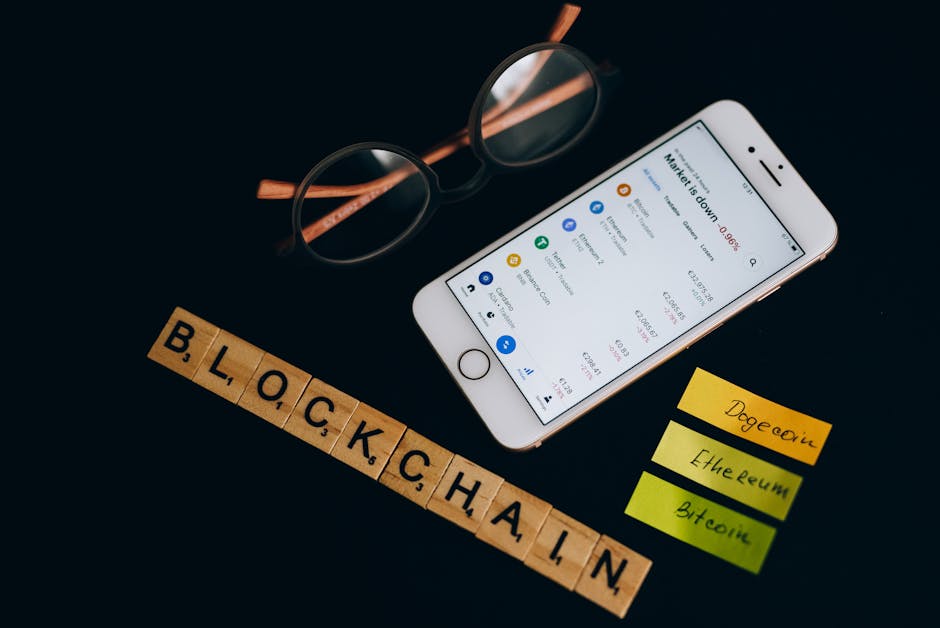
What are the biggest cryptocurrency investment risks you should know?
Price volatility, exchange or wallet failure, scams, hacks, regulatory change, tax mistakes and illiquidity.
Is it safe to invest in cryptocurrency?
It is not safe in the way an insured bank deposit is safe. Risk can be managed with small position sizes, strong account security and reputable platforms, but it cannot be removed. Only invest money you can afford to lose completely.
How much of my portfolio should I put in crypto?
There is no universal figure. Use the drawdown test: multiply your intended allocation by an 80% loss and check whether you could absorb it without changing your financial plans.
Why do crypto prices swing so much?
Crypto has no earnings or cash flows to anchor valuation, trades around the clock, and is heavily influenced by sentiment, borrowed-money positions and news. That is why Bitcoin has seen declines of roughly 77% to 84% in past cycles.
How to protect yourself from crypto scams?
Never share your seed phrase, ignore guaranteed-return promises, verify website addresses, use an authenticator app for two-factor authentication, and check your regulator's warning list before using a new platform.
Are crypto gains taxable?
In many countries, yes. Selling, swapping or spending crypto can create a taxable event. Rules vary, so check your local tax authority and keep complete transaction records.
Related Reading
- Complete cryptocurrency guide for Bitcoin, Ethereum and market analysis
- More investment articles on portfolio construction and risk
- How to build a crypto portfolio
- Best crypto wallet guide
- Stocks vs crypto risk comparison
This article is educational and is not financial, tax or legal advice. Prices are real-time market data as of November 5, 2026 and change constantly.
Disclosure: Pro Trader Daily and xpertrax.com are operated by the same owner. Links and pop-ups pointing to xpertrax.com promote our own products. This article is for information only and is not financial advice.