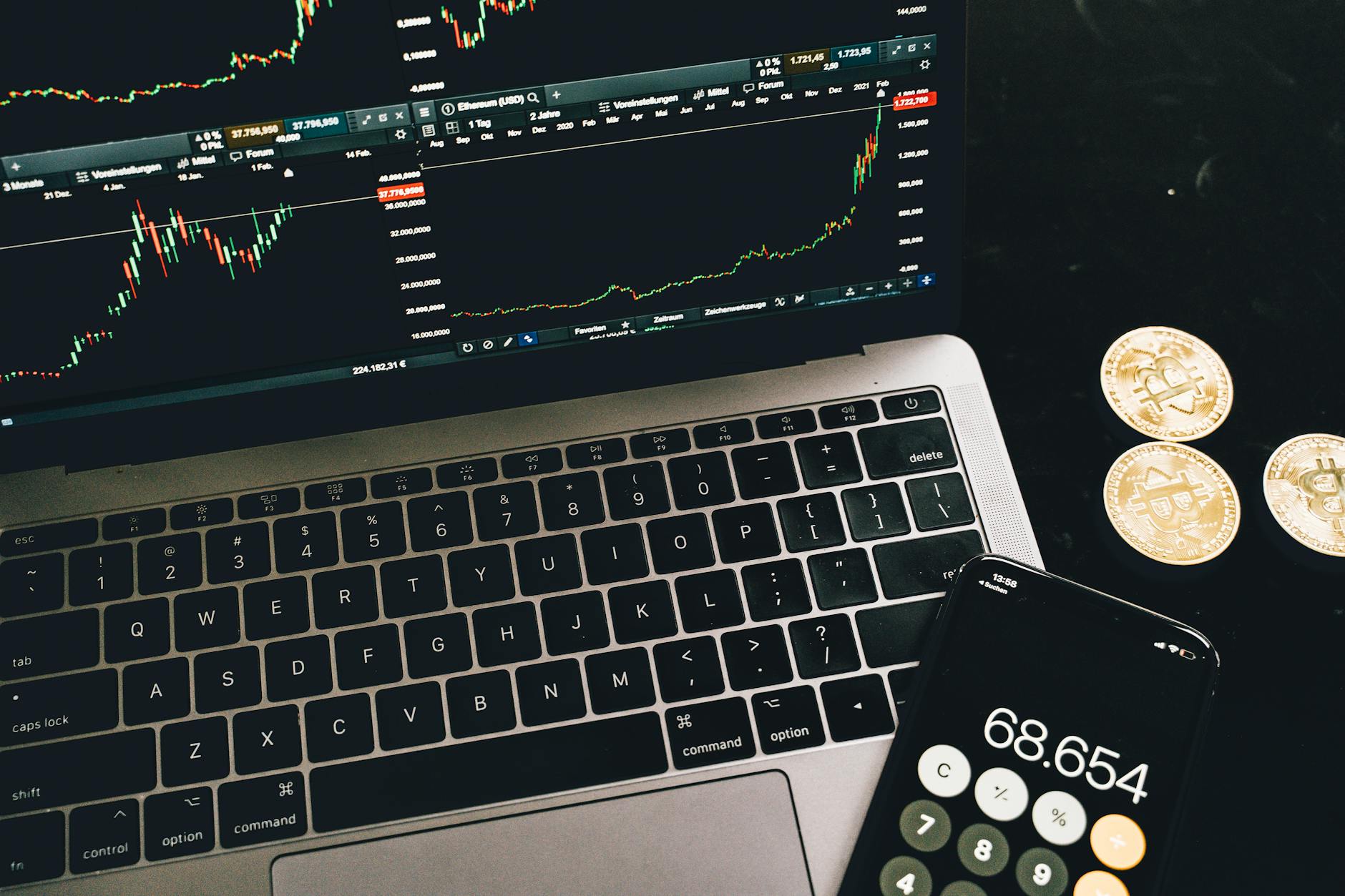
How to Find the Top Crypto Exchange: Your Complete 2026 Market Guide
The cryptocurrency market has matured dramatically since 2024. What once felt like the Wild West now resembles a regulated financial ecosystem. Yet the question remains persistently urgent for traders: which exchange should I use? With over 450 registered exchanges globally and countless unregulated platforms, the answer isn't straightforward. This analysis cuts through the noise by examining real trading volumes, security certifications, regulatory standing, and regional specifics that actually matter to your trading strategy.
The "top" crypto exchange isn't universal. For a day trader in Singapore, it's different than for a hodler in Germany or an institutional fund in New York. We'll walk through the data that separates genuine market leaders from overhyped platforms, and show you exactly how to evaluate exchanges for your specific situation.
Top Crypto Exchanges by Trading Volume
Trading volume is the most objective metric for exchange dominance. According to CoinMarketCap's real-time exchange rankings, Binance commands approximately 24-28% of global spot trading volume across all major cryptocurrency pairs. This translates to roughly $18-22 billion in daily volume, though this figure fluctuates based on market conditions and Bitcoin momentum.
| Exchange | Estimated Daily Volume | Primary Markets | Founded | Regulatory Status |
|---|---|---|---|---|
| Binance | $18-22B USD | Global (140+ countries) | 2017 | Registered in multiple jurisdictions |
| Coinbase | $2.8-3.5B USD | US, EU, UK | 2012 | US SEC regulated, UK FCA regulated |
| Kraken | $1.2-1.8B USD | US, EU, Canada | 2011 | US FinCEN, EU MiFID II compliant |
| Bybit | $2.5-3.2B USD | Global (excluding US) | 2018 | Dubai FSA registered |
| OKX | $2.0-2.8B USD | Global (excluding US) | 2013 | Cayman Islands registered |
| Gemini | $800M-1.2B USD | US, UK, EU (limited) | 2015 | US BitLicense holder, NYDFS regulated |
Volume matters because it directly affects your ability to execute trades without slippage. On Binance's Bitcoin/USD pair, you can move $1 million without materially moving the price. On smaller exchanges, the same trade might slip 0.5-1.5%, costing you thousands in execution loss.
However, volume alone doesn't indicate quality. Wash trading—artificial volume generation using bots—inflates reported figures on unregulated platforms. Major exchanges like Coinbase and Kraken use third-party audit firms to verify volume. This transparency costs them market share percentage but attracts serious traders.
Regional Exchange Analysis: Beyond the Global Picture
The global exchange market obscures critical regional variations. Regulatory fragmentation has created distinct regional hubs:
North American Market (US & Canada)
Coinbase remains the regulatory standard-bearer for US traders. As the first US-licensed cryptocurrency exchange (licensed by New York State Department of Financial Services in 2015), Coinbase holds a BitLicense—the most stringent state-level crypto license available. For US-based traders, Coinbase's regulatory clarity justifies its higher maker/taker fees (0.6%/0.4%) relative to Binance (0.10%/0.10%).
Institutional traders and registered investment advisors (RIAs) often must use Coinbase or Kraken due to custody requirements and audit compliance. Kraken holds equivalent regulatory standing and offers competitive institutional pricing.
European Market (EU/EEA)
Europe's Markets in Financial Instruments Directive (MiFID II), updated January 2024, now classifies crypto as financial instruments. This dramatically shifted the regulatory landscape. Kraken and Bitstamp adapted earliest, obtaining EU investment firm licenses. Binance withdrew its EU spot trading operations in 2023 and rebuilt through registered subsidiaries in 2024-2025.
European traders in France, Germany, Italy, and Spain now access Binance through their EU-regulated entity, which holds licenses from financial regulators in the Netherlands (AFM) and Spain (CNMV). This creates operational efficiency—one account across the EU—but with stricter consumer protection rules and deposit insurance frameworks.
Asia-Pacific Market
Singapore, Hong Kong, and Australia lead regulatory sophistication in Asia-Pacific. Singapore's Monetary Authority (MAS) introduced the Payment Services Act in January 2020, requiring exchanges to hold Major Payment Institution (MPI) or Exempted Payment Institution (EPI) status. Crypto.com and Binance Singapore hold MPI status, enabling SGD on/off ramps with full MAS oversight.
Bybit shifted its registration to Dubai (UAE Financial Services Regulatory Authority) in 2022, targeting the Middle East and broader Asia-Pacific region. OKX operates under Cayman Islands regulation but services users across India, Southeast Asia, and Australia.
Security and Trust Score Comparison
Exchange security incidents still occur regularly. Between 2020-2026, major exchanges lost approximately $2.1 billion to hacks. However, the gap between well-capitalized exchanges and smaller platforms has widened dramatically.
Security Certifications and Standards
| Exchange | Insurance Coverage | Key Security Certifications | Custody Model |
|---|---|---|---|
| Coinbase | $255M+ (crime insurance) | SOC 2 Type II, ISO 27001 | Institutional custodian (Coinbase Custody) |
| Kraken | Up to $500k per account | SOC 2 Type II, ISO 27001 | Multi-sig cold storage |
| Gemini | $200M+ per segregated account | SOC 2 Type II, independent audits | Winklevoss-controlled custody |
| Binance | $300M+ secure asset fund | SOC 2 Type II, ISO 27001 | Multi-sig, institutional partnerships |
SOC 2 Type II certification (Service Organization Control) requires annual third-party audits of security controls and data integrity. ISO 27001 certification demonstrates information security management systems. Exchanges lacking these certifications present substantially higher counterparty risk.
Cold storage (offline wallet storage) is now table stakes for all major exchanges. However, implementation varies. Kraken and Gemini maintain 95%+ of user assets in cold storage. Binance historically kept 30-40% in hot wallets for liquidity but shifted toward higher cold storage ratios after the FTX collapse in November 2022 emphasized custody risks.
Fee Structures and Advanced Trading Features
Maker/taker fees determine profitability for active traders. A 0.1% difference in fees compounds dramatically over thousands of trades.
| Exchange | Maker Fee | Taker Fee | Volume Discount Tier | Advanced Features |
|---|---|---|---|---|
| Binance | 0.10% | 0.10% | >From 0.05% (VIP 1+)Futures, margin, algo orders, lending | |
| Coinbase | 0.60% | 0.40% | From 0.40%/0.20% ($50k+) | Staking, recurring buys, learning programs |
| Kraken | 0.16% | 0.26% | From 0.08%/0.18% ($50k+) | Futures, margin, staking, API access |
| Bybit | 0.10% | 0.10% | From 0.02% (high volume) | Futures, perpetuals, copy trading, leverage |
| OKX | 0.08% | 0.10% | From 0.02% (VIP level) | Derivatives, options, perpetuals, lending |
For spot trading (buying and holding), Binance and Bybit's 0.10%/0.10% fee structure is optimal. For derivatives traders seeking leverage, all major platforms offer 2-100x leverage (depending on jurisdiction and account type).
Algorithmic order types—including TWAP (Time-Weighted Average Price) and VWAP (Volume-Weighted Average Price)—execute large orders gradually to minimize slippage. Binance, Kraken, and OKX offer these natively. Coinbase added TWAP orders in March 2026, closing a significant gap for institutional clients.
Supported Fiat Currencies and Payment Methods by Region
On/off ramps determine how quickly you can fund an account. A delayed fiat deposit can cost you thousands if you miss a trade opportunity.
US and Canada
Coinbase and Kraken support ACH bank transfers (3-5 business days), wire transfers (1-2 days), and debit cards (instant). Coinbase Prime (institutional tier) offers same-day settlement for wire transfers exceeding $100,000. Binance US supports ACH and wire transfers but eliminated debit card purchases in Q2 2025 due to regulatory pressure.
European Union
SEPA (Single Euro Payments Area) bank transfers enable free deposits across the EU within 1-2 business days. Kraken, Bitstamp, and EU-regulated Binance entities support SEPA. This cost advantage (no bank fees) shifts profitability for smaller traders.
UK-based traders use Faster Payments (instant, up to £1M daily). Coinbase, Kraken, and Gemini support Faster Payments. Post-Brexit, the UK became a separate jurisdiction with its own FCA regulatory requirements, fragmenting what was previously unified EU access.
Asia-Pacific
Binance Singapore supports SGD transfers via instant PayNow (less than 60 seconds). Malaysia and Indonesia rely on local bank partnerships—Binance Malaysia processes Malaysian Ringgit (MYR) via Maybank and CIMB within 24 hours.
Hong Kong residents can deposit HKD via the city's Real-Time Gross Settlement (RTGS) system. Australia supports POLi (instant online banking) through Binance AU and Crypto.com AU. India, despite regulatory uncertainty, sees peer-to-peer exchanges (P2P) processing 60-70% of transaction volume, since major exchanges cannot directly accept INR after the RBI's banking restrictions in 2021.
Regulatory Status by Major Jurisdiction
Regulatory classification determines whether an exchange can legally operate in your country. Three tiers exist: fully licensed, partially compliant, and unregulated.
Tier 1: Fully Licensed (Highest Confidence)
- Coinbase — BitLicense (New York), FCA regulation (UK), EU MiFID II (subsidiary)
- Kraken — FinCEN MSB (US), BaFin (Germany), FCA (UK), EU MiFID II
- Gemini — BitLicense (New York), NYDFS supervision, UK FCA approved
Tier 2: Partially Compliant (Moderate Confidence)
- Binance — Dubai FSA, CNMV (Spain), AFM (Netherlands), but no US spot license; restricted operations in 100+ countries
- Bybit — Dubai FSA, no major US/EU licenses but complies with MAS Singapore guidelines
- OKX — Cayman Islands regulated, limited EU/US access, strong in Asia-Pacific
Tier 3: Minimal Regulation (Higher Risk)
- Unregistered platforms in jurisdictions with no crypto licensing framework
- Platforms that restrict access to regulated countries to avoid compliance
- Exchanges with active regulatory investigations or license suspensions
As of June 2026, regulatory enforcement has accelerated. The SEC (US Securities and Exchange Commission) pursued compliance actions against Coinbase, Kraken, and Binance throughout 2024-2025, resulting in settlements requiring enhanced surveillance and reporting. None of these actions resulted in closure; instead, they clarified operational boundaries. Unregistered exchanges faced actual bans—Huobi, for example, ceased operations in most major markets by 2024.
How to Choose Your Crypto Exchange: A Decision Framework
The optimal exchange depends on five variables: location, trading style, asset selection, capital size, and risk tolerance.
Step 1: Verify Legal Availability
Check whether your country/state permits the exchange. Binance restricts US users to Binance.us (different platform, lower volumes). Kraken remains available globally except specific sanctioned jurisdictions. Coinbase is unavailable in 11 US states (New York until recent licensing, Texas, and others).
Step 2: Prioritize Regulatory Status in Your Jurisdiction
Tier 1 (fully licensed) exchanges eliminate counterparty risk and offer insurance. They're worth higher fees. Tier 2 (partially compliant) exchanges work if you trust the jurisdiction where they're registered. Tier 3 exchanges present material risks—avoid unless accessing specific assets unavailable elsewhere.
Step 3: Match Fees to Your Trading Frequency
Buy-and-hold investors (fewer than 10 trades/month): Coinbase's user-friendly interface and regulatory certainty outweigh its 0.60% maker fee. Day traders (20+ trades/daily): Binance's 0.10% fees save thousands monthly. The breakeven is roughly 8 trades/day at $5,000 per trade.
Step 4: Verify Asset Availability
Binance lists 600+ trading pairs. Coinbase lists 200+. If you trade emerging tokens (Solana was unavailable on Coinbase until Q3 2021), Binance is necessary. For Bitcoin, Ethereum, and top 50 coins, all major exchanges offer access.
Step 5: Test Security and Customer Support
Deposit $100 to test the onboarding. Gemini's process takes 15 minutes; Kraken's takes 45 minutes due to KYC verification depth. Both are worth the time. If customer support is crucial (you plan to contact them), Coinbase and Kraken offer 24/7 live chat. Binance's support is bot-first, escalating to humans for technical issues.
Frequently Asked Questions
Is Binance the safest exchange?
Binance is the largest and most liquid, but not necessarily the safest. Gemini, Coinbase, and Kraken hold superior regulatory licenses and insurance coverage. "Safe" depends on whether you prioritize liquidity (Binance), regulatory protection (Coinbase/Kraken), or custody standards (Gemini). All four are institutional-grade.
Can I withdraw my crypto instantly?
Withdrawing to your own wallet (self-custody) takes 10-60 minutes depending on blockchain congestion. Withdrawing to another exchange takes 1-24 hours. Withdrawing to a bank account (selling for fiat) takes 1-5 business days. There is no "instant" fiat withdrawal; blockchain confirmations are non-negotiable.
What's the minimum deposit amount?
Most major exchanges have $10-50 minimums for bank deposits. Debit card purchases typically have $10-100 minimums but charge 3-5% fees. There's no legal minimum—exchanges set policy based on operational costs.
Do I need to use the same exchange for buying and selling?
No. You can buy on Coinbase, transfer to Kraken, and sell on Binance. Each transfer costs network fees (currently $1-30 for Bitcoin depending on network traffic). For frequent traders, staying on one exchange reduces fees.
Which exchange has the best customer support?
Coinbase and Kraken offer live chat (24/5 at minimum, Coinbase claims 24/7). Binance uses a ticket system with AI-first routing. For account freezes or security issues, Coinbase's support resolves cases in 2-5 days; Binance averages 7-14 days. This tilts toward Coinbase for peace of mind.
Are there hidden fees I should know about?
All major exchanges disclose fees in their fee schedule. Hidden costs include: network withdrawal fees (Coinbase charges $0.99-2.99 for Bitcoin withdrawals to cover network fees; Kraken passes through exact network costs); conversion spreads on stablecoin trades (0.10-0.50%); and inactivity fees (Gemini charges $10/month after 180 days of inactivity). Read the fine print.
What happens if an exchange goes bankrupt?
If an exchange holds user assets in segregated custody (common), your assets are protected even if the exchange fails—you receive your crypto back. If an exchange uses rehypothecation (lending out your assets), and the borrower defaults, you have counterparty risk. FTX failed via this mechanism in November 2022. Major exchanges now publish proof-of-reserves (quarterly audits) to prove they hold actual assets. Binance, Coinbase, and Kraken all publish POW.
"The top crypto exchange isn't determined by marketing spend or celebrity endorsements. It's determined by trading volume, security certifications, regulatory compliance in your jurisdiction, and fee structures that align with your trading frequency. The market has matured past the point where brand reputation alone carries weight." — Pro Trader Daily Research Team
The Verdict: Which Exchange Should You Use?
For US-based retail traders: Start with Coinbase. Its regulatory clarity, insurance coverage, and beginner-friendly interface justify the higher fees. Once you exceed $50,000 in volume, test Kraken for better rates.
For US institutional investors and RIAs: Coinbase Prime or Kraken Institutional. The compliance infrastructure is non-negotiable.
For active traders (20+ trades daily): Binance. The 0.10%/0.10% fee structure is unmatched. Run two accounts if regulatory concerns exist in your jurisdiction—Binance for volume, a Tier 1 exchange for compliance.
For European traders: Kraken or Bitstamp. MiFID II compliance is embedded. SEPA transfers eliminate intermediary bank costs.
For Asia-Pacific traders: Binance (Singapore entity for SGD) or Bybit (for users outside major regulatory jurisdictions). Crypto.com AU for Australians seeking FCA-equivalent oversight.
For long-term holders seeking maximum security: Gemini. Its custodial model (founders-controlled cold storage) and insurance coverage ($200M+) provide fortress-like protection, even if fees are slightly elevated.
The best exchange isn't universal—it's personal. Your location, trading frequency, asset preferences, and risk tolerance all matter. Use this analysis to match your profile to the exchange that serves you best. The crypto market rewards preparation; these details are where preparation happens.
Explore More Resources
Strengthen your trading foundation with these related guides:
- More crypto trading resources
- Complete guide to trading platforms
- How decentralized exchanges compare to centralized platforms
- Risk management strategies for cryptocurrency portfolios
- Fintech innovation hub