
What Is Better Coinbase or Binance? Fees, Safety, Fit
Bitcoin sits at $65,513 (down 5.04% in 24 hours) and Ethereum at $1,828 (down 6.20%), per real-time market data as of November 14, 2026. On a day like this, a 0.5% fee gap stops being a footnote and starts eating into every trade you make. The exchange you pick decides how much of each move you keep.
Who They Are: Quick Facts

Coinbase was founded in 2012 and listed on Nasdaq under the ticker COIN. Binance launched in 2017. The two are built for different audiences. According to Investopedia, Coinbase leans toward ease of use and compliance, while Binance leans toward breadth of products and lower costs.
| Attribute | Coinbase | Binance |
|---|---|---|
| Category | Centralized crypto exchange and custodian | Centralized crypto exchange and custodian |
| Founded | 2012 | 2017 |
| Corporate status | Publicly traded (Nasdaq: COIN) | Privately held |
| Supported assets (commonly cited) | 240+ | 350+ |
| Spot fee, entry tier | 0.40% maker / 0.60% taker (Coinbase Advanced) | 0.10% maker / 0.10% taker (0.075% when paying with BNB) |
| US residents | Yes | Not on Binance.com (separate Binance.US exists) |
| Derivatives | Limited, depends on region | Broad futures, margin and options in eligible regions |
| Platforms | Web, iOS, Android, API | Web, iOS, Android, API |
| Interface | Simple default view, separate Advanced mode | Dense, built around trading tools |
Asset counts shift as exchanges list and delist tokens. Treat the figures above as approximate and confirm on each platform before you rely on them.
Fees and Pricing With Worked Examples
Fees are the clearest quantitative gap. Coinbase has two products. The simple buy/sell flow charges a spread plus a fee that varies by payment method and order size. Coinbase Advanced charges a tiered maker/taker fee that drops as your 30-day volume grows. Binance's standard spot rate is a flat 0.10%, with a discount when you pay fees in BNB. Both schedules change, so verify against each exchange's current fee page.
Here is what the entry-tier rates mean for a market (taker) order:
| Trade size | Coinbase Advanced (0.60% taker) | Binance (0.10% taker) | Binance with BNB (0.075%) |
|---|---|---|---|
| $1,000 | $6.00 | $1.00 | $0.75 |
| $5,000 | $30.00 | $5.00 | $3.75 |
| $10,000 | $60.00 | $10.00 | $7.50 |
At BTC's current price of $65,513, a $1,000 purchase buys roughly 0.0153 BTC. The fee on Coinbase Advanced at the entry tier is about six times what Binance charges at its base rate. Coinbase's higher volume tiers lower the rates, so active traders pay less than the entry numbers suggest. Even so, Binance's base rate stays lower for most spot activity.
Fee comparisons also miss three costs:
- Spread on simple buys: The convenience flow bakes a markup into the price. Compare the quoted price to the live market price.
- Withdrawal fees: Both exchanges charge network-based withdrawal fees that vary by coin and chain.
- Deposit and card fees:
Security, Regulation and Incident History
Neither exchange gives you self-custody. If the exchange fails or is breached, your recourse is limited. What differs is regulatory posture and track record.
| Factor | Coinbase | Binance |
|---|---|---|
| Regulatory posture | US-headquartered, publicly listed | — |
| Notable enforcement | — | — |
| Known incidents | — | — |
| User protections | — | — |
The honest summary: Coinbase carries less regulatory baggage in the US. Both have had security incidents. Enable app-based two-factor authentication (not SMS) and withdrawal allowlists on whichever one you use.
Coins, Advanced Trading and Staking
Coin selection
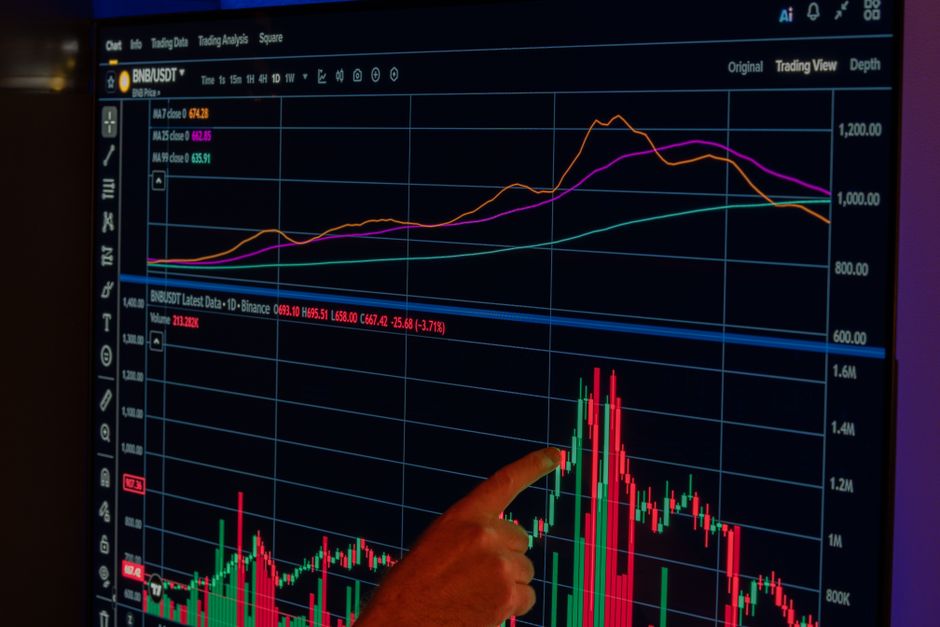
Binance lists more assets, including many small-cap tokens. That helps if you want early exposure, and it increases risk. Coinbase's smaller list is more conservative. Mainstream coins are on both: BNB at $589, Solana at $72.02, XRP at $0.9508 and Chainlink at $9.05, per real-time market data as of November 14, 2026. Check that the specific token you want is available in your region before you fund an account, because listings differ by country.
Advanced trading, API and derivatives
- Binance: Offers derivatives products in eligible jurisdictions.
- Coinbase: Coinbase Advanced is the more trading-focused mode.
Staking
Staking availability depends on the exchange, asset and region. Reward rates and any commission vary by coin and change over time. Compare the net reward shown in each app, not the headline rate. Staked funds can carry unbonding periods on some networks, so check how long you wait to withdraw.
Five Trader Profiles: Which Exchange Fits
- First-time buyer in the US. Coinbase. The guided flow, bank linking and regulated status outweigh the higher fees on small, rare purchases. Binance.com is not available to US residents.
- Day trader or scalper outside the US. Binance. A 0.10% base fee against 0.60% taker at Coinbase's entry tier decides this on volume alone. Use limit orders to pay maker rates on either platform.
- Derivatives or margin trader. Binance, where your region permits. Check local rules first, since many jurisdictions restrict leveraged products for retail users.
- Long-term holder buying monthly. Either works, but custody matters more than fees. Many long-term holders move coins to a hardware wallet after buying. A recurring buy on Coinbase is simple; on Binance the same purchase costs less per trade.
- Tax-conscious investor. Coinbase if you want straightforward records in a US context. Binance if you trade many pairs and use a third-party crypto tax tool that imports its full history.
Tax Reporting and Support
Both exchanges let you download transaction history, and that CSV is the foundation of any tax filing. Whichever you use, export your history regularly. Exchanges can change export formats or restrict access to old data.
Assume you may be on your own for urgent problems and protect your account accordingly.
Experience note on common mistakes: Several common errors on both platforms are avoidable. Users send a coin on the wrong network (for example, an ERC-20 token to a Tron address) and lose it permanently. Users pay the convenience-flow spread when Advanced would have cost less. Users skip withdrawal allowlists and lose funds after a phishing compromise. Send a small test transaction first, confirm the network, and never approve a withdrawal from a link in an email.
How to Move From One Exchange to the Other
- Export your history. Download full transaction records from the old exchange before you move anything. Cost-basis data matters for taxes.
- Verify the new account. Complete identity checks and turn on app-based two-factor authentication.
- Generate a deposit address. Copy it directly from the receiving exchange and confirm the network for that asset.
- Send a test amount. Check the withdrawal fee and wait for confirmation on the new platform.
- Move the rest. Transfer in batches if the amount is large. Selling and rebuying instead of transferring creates a taxable event in many jurisdictions, so confirm your local rules.
- Enable protections. Set up withdrawal allowlists and anti-phishing settings on the new account.
For related reading, see our best crypto exchanges guide, the walkthrough on how to buy Bitcoin safely, and the explainer on crypto tax reporting for exchange users. Active traders may also want crypto day trading strategies, and anyone weighing broader platform options can start with the complete fintech guide or more crypto articles. For a view beyond digital assets, see stock trading platforms comparison.
FAQ
What is better, Coinbase or Binance, for beginners?
Coinbase suits most beginners, especially in the US. Its interface is simpler and it is a regulated, publicly listed company. Binance is cheaper per trade but has a denser interface and is unavailable on Binance.com to US residents.
How much cheaper is Binance than Coinbase?
At entry-tier rates, Binance charges 0.10% on spot trades against 0.40% maker and 0.60% taker on Coinbase Advanced. On a $10,000 market order, that is about $10 versus $60. Coinbase's rates fall as your 30-day volume rises, so confirm the current schedule.
Is it safe to keep crypto on Coinbase or Binance?
Both are custodial, so you rely on the exchange's security and solvency. Both have had incidents. For long-term holdings, many people withdraw to a hardware wallet and keep only trading funds on the exchange.
Why does Binance list more coins than Coinbase?
Binance takes a broader listing approach, including many smaller tokens, while Coinbase lists more selectively. Commonly cited figures are 350+ assets on Binance and 240+ on Coinbase. Both change often.
How to switch from Coinbase to Binance, or the reverse?
Export your transaction history, verify the new account, send a small test transfer on the correct network, then move the remainder. Avoid selling just to move, since that can trigger taxes.
Check Latest PriceFor a complete overview, see our Best Crypto Exchanges Guide.
Disclosure: XPERTRAX (xpertrax.com) is an affiliated platform. Links and pop-ups pointing to xpertrax.com promote it. This article is for information only and is not financial advice.