How to Buy Bitcoin: Step-by-Step Guide for Beginners
You can also lose money if you pick the wrong platform, pay card fees you did not read, or send coins to the wrong address. The purchase itself is easy. The mistakes happen around it.
This guide covers the full path: choosing an exchange, verification timelines, payment methods, fees, tax basics, regional limits and storage. Prices below come from real-time market data as of October 28, 2026.
What You Are Buying
Bitcoin was released in 2009 by the pseudonymous Satoshi Nakamoto, and its supply is capped at 21 million coins. As of October 28, 2026, real-time market data puts BTC at $81,019, up 1.68% over 24 hours.
When you buy Bitcoin on an exchange, you usually get a balance on that exchange's books. You own the coins outright only once you withdraw them to a wallet whose keys you control. That distinction drives the security section below.
7 Steps to Buy Bitcoin

- Check availability in your region. Confirm the exchange accepts customers in your country (and state, where relevant) before you create an account.
- Create the account. Use a dedicated email address and a unique password from a password manager.
- Turn on two-factor authentication (2FA). Prefer an authenticator app or hardware security key over SMS.
- Complete identity verification. Expect to submit a government ID and often a selfie or proof of address.
- Add a payment method. Bank transfer, debit card, credit card or a local payment rail, depending on the exchange.
- Place the order. Enter the amount in fiat or BTC, review the quote and fee, then confirm. A market order fills at the current price. A limit order fills only at your chosen price.
- Decide where the coins live. Leave a small amount on the exchange for active trading, or withdraw to a wallet you control for long-term holding.
The walkthrough on according to Binance's official how-to-buy page follows the same sequence: register, verify, fund, buy. Kraken's buy-BTC page describes a similar flow. Screens differ by platform; the order does not.
Choosing an Exchange
Do not pick on brand recognition alone. Compare the same five things on every platform you are considering.
| What to check | Why it matters | Where to find it |
|---|---|---|
| Regulatory status in your country | Determines legal availability and customer protections | Exchange legal or licenses page, plus your national regulator |
| Full fee schedule | Trading fee, spread and payment fee all add up | Fee page, and the final quote before you confirm |
| Supported payment methods | Bank transfer is typically cheaper than card | Deposit screen after sign-up |
| Minimum order size | Sets the real entry point for small buyers | Order screen or help center |
| Withdrawal options | You need to be able to move coins to self-custody | Withdrawal fee table and any hold periods |
Platforms beginners commonly compare include Kraken and Binance (where available). Availability, products and fees differ by country, and they change. Check each one's current page rather than relying on a third-party table, including this one.
Verification Timeline
Regulated exchanges follow know-your-customer and anti-money-laundering rules, so you cannot skip verification. Timing depends on document quality and whether a human reviewer is needed.
| Stage | Typical timing | What slows it down |
|---|---|---|
| Account creation and email confirmation | Minutes | Delayed confirmation emails |
| ID and selfie check | Minutes to a few hours; up to 24-72 hours if manually reviewed | Blurry photos, glare, expired documents, name mismatches |
| Bank deposit | — | Weekends, bank cut-off times, first-time deposit holds |
| Card deposit | Often immediate | Card issuer blocks on crypto merchants |
| On-chain withdrawal | Depends on network confirmations; Bitcoin blocks average about 10 minutes | Exchange security holds on new accounts or new addresses |
Fix for rejected verification: photograph your ID on a dark, flat surface in daylight, and make sure all four corners are visible. Enter your name exactly as printed on the document.
Payment Methods and Fees
You usually pay in up to three layers: a trading fee or spread, a payment-method fee, and a network fee if you withdraw. Exchanges publish their own rates, so confirm the live numbers before ordering.
| Payment method | Typical cost level | Speed | Best for |
|---|---|---|---|
| Bank transfer (ACH, SEPA, Faster Payments and similar) | Usually lowest | Slower; varies by rail | Larger or recurring purchases |
| Debit card | Usually higher | Often fast | Small, urgent purchases |
| Credit card | Usually highest, and your issuer may add cash-advance charges | Often fast | Generally avoid |
| Local payment apps or wires | Varies | Varies | Where the exchange supports them |
Simple fee check
Compare what you pay with what you receive. For a $100 purchase, if the exchange quotes 0.001 BTC when the market rate implies roughly 0.001234 BTC, the gap is your total cost. Run the same test on two platforms before committing.
Many platforms offer both a simple buy screen and an advanced order book. The advanced view typically carries lower fees but needs you to understand limit orders.
Minimum Investment
Bitcoin divides to eight decimal places; the smallest unit is a satoshi (0.00000001 BTC). You never need to buy a full coin. Exchanges set their own minimum order sizes, so confirm the figure on the order screen.
Here is what common amounts buy at $81,019 per BTC, before fees:
| Amount spent | Approx. BTC received (before fees) |
|---|---|
| $10 | 0.000123 BTC |
| $50 | 0.000617 BTC |
| $100 | 0.001234 BTC |
| $500 | 0.006171 BTC |
| $1,000 | 0.012343 BTC |
Small orders lose a bigger share to fixed fees. If a platform charges a flat fee per transaction, one larger purchase can cost less than several tiny ones. Recurring buys on a schedule smooth out timing risk.
Geographic Limits
Where you live decides which exchanges you can use, which payment rails work and which products appear. Restrictions can apply at country level and, in some places, at state or province level.
- Read the exchange's supported-regions page before registering.
- Check whether your local payment method (bank rail or card type) is supported.
- Expect some features, such as margin or derivatives, to be unavailable to retail users in certain jurisdictions.
- If an exchange is not licensed for your area, choose another one. Do not try to bypass restrictions with location tricks; it can violate terms and get your funds frozen.
Security: Exchange vs Self-Custody
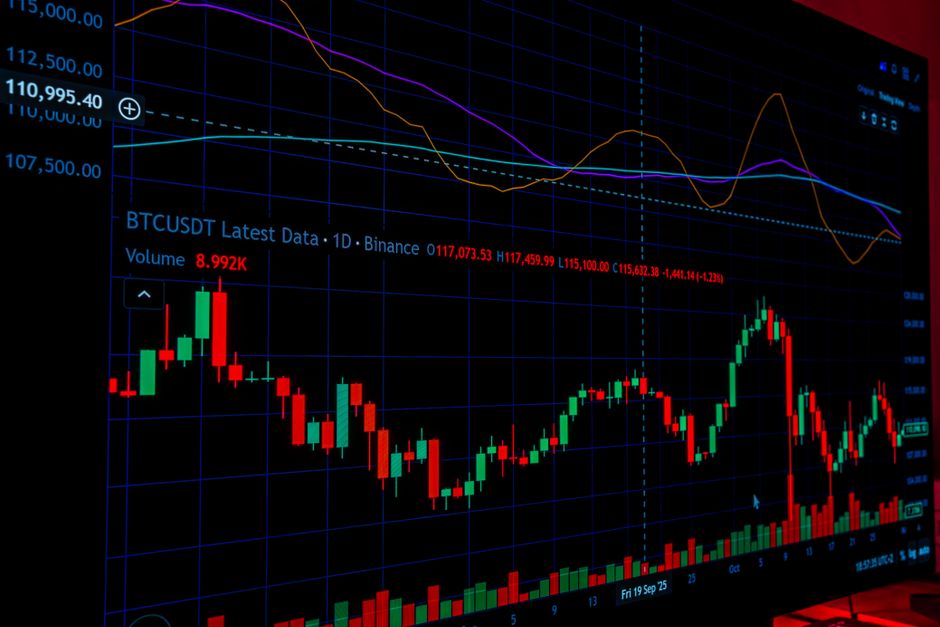
Security warning: An exchange balance is a claim on the platform, not coins in your own wallet. If the exchange is hacked, freezes withdrawals or fails, you depend on its policies. Bitcoin transfers are irreversible, and no support desk can pull one back.
| Option | You control the keys? | Main risk | Suits |
|---|---|---|---|
| Exchange account | No | Platform failure, account takeover, withdrawal freezes | Active trading, small balances |
| Software (hot) wallet | Yes | Malware, phishing, lost seed phrase | Moderate amounts, frequent use |
| Hardware wallet | Yes | Lost seed phrase, buying from unofficial sellers | Long-term holdings |
Security checklist
- Enable 2FA with an authenticator app or hardware key; avoid SMS where possible.
- Use a unique password stored in a password manager.
- Set an anti-phishing code if the exchange offers one.
- Turn on a withdrawal address allowlist if available.
- Send a small test transaction before moving a large amount.
- Write your seed phrase on paper or metal. Never photograph it, store it in cloud notes or type it into a website.
- Buy hardware wallets only from the manufacturer or an authorized reseller.
- Type the exchange URL yourself or use a bookmark; do not click links in emails or ads.
For wallet options and setup, read our best crypto wallets guide and the walkthrough on how to store Bitcoin safely.
Tax Basics
Tax treatment depends on where you live, so check your local rules. In many countries, selling or spending cryptocurrency can trigger a capital gain or loss. Buying Bitcoin with fiat and holding it is generally not a taxable event by itself in many jurisdictions, but selling, swapping and spending often are.
- Keep records of purchase date, amount, price and fees for every transaction.
- Export your exchange's transaction history at least once a year.
- Ask a qualified local tax professional about holding periods and reporting.
This section is general information, not tax advice.
6 Beginner Mistakes and How to Avoid Them
- Buying through a card on the easiest screen. Compare the final quote against the market rate and use bank transfer when you can.
- Skipping 2FA. Account takeover is a common loss route. Turn it on before you deposit.
- Sending to the wrong address or network. Copy the address, verify the first and last characters, and send a test amount.
- Leaving everything on the exchange forever. Move long-term holdings to self-custody, and back up the seed phrase offline.
- Buying on hype. Bitcoin can move sharply in a day. Decide your amount and time horizon first, and only invest what you can leave untouched.
- Trusting unsolicited help. Anyone who DMs you offering to "double" your coins or "help recover" funds is running a scam.
Mobile App vs Desktop
| Factor | Mobile app | Desktop browser |
|---|---|---|
| Ease of first purchase | Typically simplest | Fuller view of fees and order types |
| Identity verification | Camera-based capture is convenient | May need a phone to upload photos |
| Advanced orders and charts | Often limited | Usually more complete |
| Phishing risk | Install only the official app | Bookmark the real URL |
Expert Notes on What Goes Wrong
The most frequent friction points are predictable. Verification fails because the name on the ID differs from the name on the bank account, or the photo is glary. First bank deposits can be held for several days even after you have funded the account. Withdrawals to a new address can be delayed by security holds on new accounts. Card payments can be declined by banks that block crypto merchants.
The trade-offs are honest ones. Exchanges are convenient but custodial. Hardware wallets are safer for savings but add cost and a recovery process you must manage yourself. Market orders are quick but you accept the current price, including spread. Limit orders give price control but may never fill. Decide which trade-off matters to you before you click confirm.
Related reading: Bitcoin vs Ethereum compared and how to size a position in our crypto portfolio allocation guide.
FAQ

What is Bitcoin?
Bitcoin is a decentralized digital currency released in 2009 by the pseudonymous Satoshi Nakamoto. It runs on a public ledger called the blockchain and has a fixed supply cap of 21 million coins.
How much money do I need to buy Bitcoin?
There is no requirement to buy a whole coin. Bitcoin divides to eight decimal places, so you can buy a fraction. At $81,019 per BTC, $10 buys about 0.000123 BTC before fees. Each exchange sets its own minimum order, so check it before you deposit.
How to buy Bitcoin with a debit card or bank transfer?
Open and verify an exchange account, add a payment method, enter the amount you want to spend, review the fee and quote, and confirm the order. Bank transfers are usually cheaper but slower. Card purchases are faster but usually cost more.
Is it safe to buy Bitcoin on an exchange?
Large regulated exchanges are a common entry point, but risk remains. Turn on 2FA with an authenticator app or hardware key, use a unique password, and move long-term holdings to self-custody. Bitcoin transfers cannot be reversed, so check every address.
Why do exchanges ask for ID verification?
Regulated exchanges follow know-your-customer and anti-money-laundering rules. They collect ID documents and personal details before allowing deposits, purchases or withdrawals. Verification often takes minutes but can take 24-72 hours when manual review is needed.
Can I buy Bitcoin anywhere in the world?
No. Availability depends on your country, sometimes your state or province, and on which licenses the exchange holds. Check the exchange's supported-regions page before signing up, and do not try to bypass restrictions.
Bitcoin is volatile and you can lose some or all of what you invest. This guide is general information, not financial advice.
Keep Reading
- Complete fintech guide
- More crypto articles
- Best crypto wallets guide
- How to store Bitcoin safely
- Dollar-cost averaging Bitcoin strategy
- Crypto portfolio allocation guide
Disclosure: XPERTRAX (xpertrax.com) is an affiliated platform. Links and pop-ups pointing to xpertrax.com promote it. This article is for information only and is not financial advice.