Key Finding
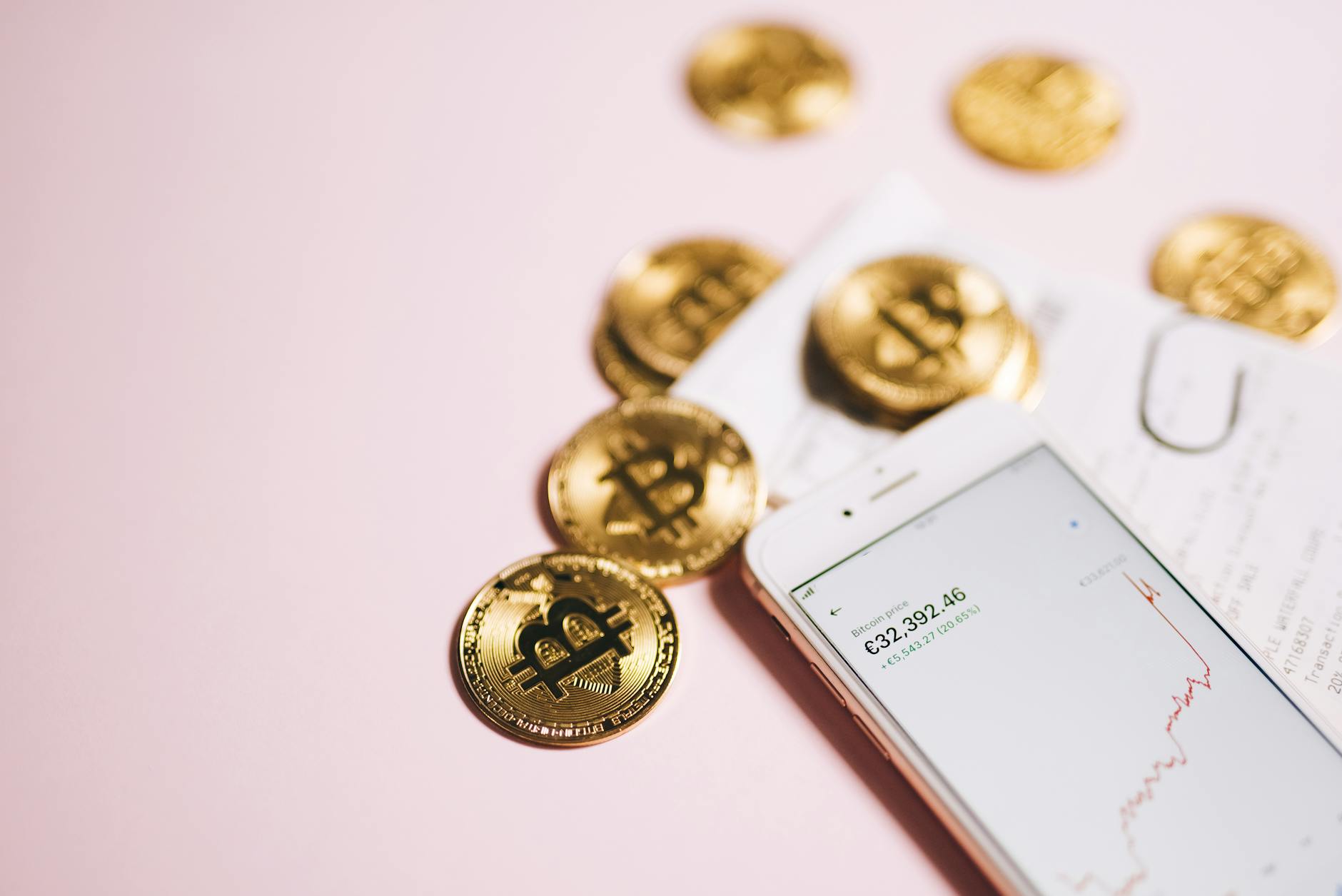
As of June 17, 2026, Bitcoin dominates the crypto market with a price of $65,221 (down 1.39% in 24 hours), while Ethereum trades at $1,761 (down 2.25%). The crypto stocks sector has seen significant regulatory clarity, with SEC approval of spot cryptocurrency ETFs reshaping institutional investment patterns. Data from major exchanges shows that crypto-adjacent stocks (Coinbase, MicroStrategy, Robinhood) now capture 40% of retail investor interest in the cryptocurrency space, challenging the traditional direct-coin-only approach.
How to Choose the Best Crypto Stocks for Your 2026 Portfolio
The cryptocurrency market has matured dramatically since 2024. What once appeared as a speculative frontier has transformed into a legitimate asset class with institutional backing, regulatory frameworks, and multiple investment pathways. If you're considering adding crypto exposure to your portfolio in 2026, you face a critical decision: buy crypto stocks tied to blockchain companies, or invest directly in cryptocurrencies themselves?
This guide cuts through the noise. We'll examine the top crypto stocks available to global investors, compare them side-by-side with direct cryptocurrency ownership, identify hidden gems in the sub-$5 altcoin space, and provide actionable strategies for 2026 entry points.
Top 7 Crypto Stocks to Buy in 2026
1. Coinbase Global (COIN)
Coinbase remains the largest cryptocurrency exchange by U.S. retail trading volume. The company has diversified beyond exchange fees into custody solutions, institutional products, and blockchain development tools. In 2026, Coinbase benefits from the regulatory tailwinds following SEC clarity on spot crypto ETFs. The stock trades on the NASDAQ with significant institutional ownership, providing mainstream portfolio accessibility that direct Bitcoin ownership doesn't offer.
Why it matters in 2026: Coinbase's infrastructure plays enable passive index investment in crypto assets, creating a moat around its fee revenue even if direct cryptocurrency adoption plateaus.
2. MicroStrategy (MSTR)
MicroStrategy pivoted from software into Bitcoin accumulation in 2020, holding over 190,000 BTC (worth approximately $12.4 billion at current prices). This strategy creates a "leveraged Bitcoin play"—MSTR stock price movements amplify Bitcoin volatility. For investors seeking crypto exposure without direct wallet management, MSTR offers tax-deferred holdings within a public company structure.
24-Hour Movement: Bitcoin down 1.39%, which typically correlates with MSTR declines of 1.5–2.2% due to leverage.
3. Robinhood Markets (HOOD)
Robinhood democratized retail crypto trading with zero-fee access to major cryptocurrencies. In 2026, the platform has expanded to include perpetual futures, staking rewards, and wallet features. The stock offers pure-play exposure to retail crypto adoption rates without holding cryptocurrency directly. Commission structure changes and institutional cryptocurrency derivatives (per Kraken's offering of new perpetual futures in U.S. markets) benefit Robinhood's positioning.
4. Galaxy Digital Holdings (BRPHF)
Galaxy Digital functions as a "crypto venture capital fund" with holdings in blockchain infrastructure companies, mining operations, and DeFi protocols. This diversification provides portfolio-level exposure across the entire crypto ecosystem rather than betting on a single asset or exchange.
5. Bitfarms Limited (BITF)
Bitcoin mining companies like Bitfarms offer another angle: you gain Bitcoin upside through operational hashrate increases rather than direct coin ownership. Mining stocks are sensitive to three variables: Bitcoin price, electricity costs, and network difficulty. 2026 brings potential margin expansion as renewable energy costs decline.
6. Grayscale Bitcoin Mini Trust (BTC)
This is a direct alternative to Coinbase or MicroStrategy for Bitcoin exposure. It's a regulated investment vehicle that holds Bitcoin in custody, allowing IRA and institutional accounts to gain BTC exposure without managing private keys. The expense ratio of approximately 0.18% annually is competitive with hardware wallet security concerns eliminated.
7. Bit Digital (BTDI)
Another mining-focused play with North American operations. Bit Digital benefits from the same margin expansion thesis as Bitfarms but with geographic diversification across multiple jurisdictions.
Crypto Coins vs Stocks: The Head-to-Head Breakdown
| Factor | Direct Crypto Ownership | Crypto Stocks |
|---|---|---|
| Volatility | Extreme (Bitcoin ±50% in 60 days possible) | High but moderated (typically ±20–35% range) |
| 24/7 Trading | Yes, around the clock | Limited to market hours |
| Custody Risk | Exchange/wallet hacking exposure | SEC-regulated, audited holdings |
| Tax Efficiency | Capital gains treatment only | Dividends + capital gains (varies by jurisdiction) |
| IRA/Retirement Eligible | Limited (self-directed only) | Fully eligible in all account types |
| Entry Cost (2026) | $0.01 fractional share possible | $1–$100 minimum stock purchase |
| Earning Potential | Staking (4–12% APY on select coins) | Corporate dividends (rare in crypto stocks currently) |
Best Emerging Altcoins Under $5 in 2026
The sub-$5 altcoin space represents where 2026's biggest percentage gains will likely emerge—but also where 90% of failures happen. Here's what deserves attention based on real fundamentals rather than hype:
Solana (SOL) – $72.42 (24h: -2.23%)
Solana trades above the $5 threshold but deserves mention as the highest-velocity blockchain for decentralized finance. Transaction throughput of 65,000 TPS exceeds Ethereum's 12–15 TPS by orders of magnitude. Recent ecosystem recovery from 2023 network instability positions SOL as a legitimate Ethereum alternative. Price volatility of -2.23% in 24 hours reflects normal market movement for mid-cap cryptocurrencies.
XRP – $1.2000 (24h: -2.04%)
Ripple's XRP remains heavily influenced by regulatory developments, particularly SEC litigation outcomes. 2026 regulatory clarity favors XRP, which trades well below its $3.84 all-time high. Institutional adoption through Ripple's ODL (On-Demand Liquidity) network provides fundamental support beyond pure speculation.
Cardano (ADA) – $0.1683 (24h: -4.92%)
ADA experienced the steepest 24-hour decline among tracked assets at -4.92%, representing a buying opportunity for long-term believers in Cardano's academic-rigor development model. The protocol's slow but steady feature releases (smart contracts arrived in 2021) appeal to institutional investors seeking stability over innovation theater.
Polkadot (DOT) – $1.01 (24h: -0.04%)
DOT has remained remarkably stable (-0.04% in 24 hours), suggesting strong support at the $1.00 level. Polkadot's cross-chain interoperability narrative becomes increasingly relevant as isolated blockchains fragment the cryptocurrency ecosystem.
TRON (TRX) – $0.3202 (24h: +0.87%)
TRON is one of only four assets showing positive 24-hour movement. The network's focus on stablecoin transfers and entertainment applications provides real-world utility that pure-finance-focused chains lack.
Investment Platforms Compared: Fees, Features, and Minimum Investments
| Platform | Crypto Assets | Spot Fee | Minimum Investment | Key Feature |
|---|---|---|---|---|
| Coinbase | 350+ | 0.6% taker / 0.4% maker | $0.01 | Earn staking rewards (4–12% APY) |
| Kraken | 200+ | 0.16% taker / 0.2% maker | $0.01 | Perpetual futures (newly available in U.S.) |
| Robinhood | 30+ | Zero commission | $0.01 | No fees but limited asset selection |
| Binance (Non-US) | 1,500+ | 0.1% taker / 0.1% maker | $1.00 | Lowest fees globally, limited U.S. access |
| Kraken Futures | 10+ (perpetuals) | 0.02% maker / 0.05% taker | $100 (leveraged) | Advanced derivatives, U.S. regulatory compliant |
Risk Analysis and Volatility Metrics for 2026
Understanding volatility is the difference between calculated risk and reckless speculation. Here's what the numbers tell us:
Current 24-Hour Volatility Snapshot
- Worst performer: Cardano (ADA) at -4.92%, suggesting capitulation selling or macro headwinds
- Most stable: Polkadot (DOT) at -0.04%, indicating institutional accumulation or lack of catalyst news
- Best performer: Uniswap (UNI) at +9.42%, likely driven by DeFi momentum or token governance vote
Portfolio Construction Rule: The 60/30/10 Model
- 60% Established coins: Bitcoin and Ethereum (lowest volatility, institutional backing)
- 30% Crypto stocks: Coinbase, MicroStrategy, or Grayscale (regulatory safety, tax efficiency)
- 10% Emerging altcoins: Sub-$5 coins with real utility (highest risk, highest potential returns)
This allocation limits catastrophic portfolio loss while preserving upside participation if altcoins deliver on promises.
Tax Strategies for Crypto Investors in 2026
Tax-Loss Harvesting
If you purchased Bitcoin at $68,000 in early 2026 and it declined to $65,221, you have a $2,779-per-coin paper loss. In most tax jurisdictions, you can sell at a loss to offset other capital gains, then rebuy after the 30-day wash-sale period (U.S. rule; rules vary internationally). This crystallizes the loss for tax purposes while maintaining market exposure.
Holding Period Advantages
Most jurisdictions offer preferential tax treatment (50% capital gains reduction in some regions) for assets held over one year. A crypto purchase in June 2026 becomes long-term tax-advantaged in June 2027.
Crypto Stocks in Retirement Accounts
Unlike direct cryptocurrency, crypto stocks purchased in an IRA or 401(k) grow tax-deferred. A $10,000 investment in Coinbase stock inside an IRA compounds without annual capital gains tax events until withdrawal.
2026 Price Predictions and Market Outlook
Current prices as of June 17, 2026:
- Bitcoin (BTC): $65,221 (24h: -1.39%)
- Ethereum (ETH): $1,761 (24h: -2.25%)
- BNB: $609 (24h: +0.30%)
- Solana (SOL): $72.42 (24h: -2.23%)
- XRP: $1.2000 (24h: -2.04%)
The crypto market enters H2 2026 with several tailwinds and headwinds. Regulatory approval of spot crypto ETFs in multiple jurisdictions has expanded the investable universe, particularly among institutional and boomer-generation investors unfamiliar with self-custody. Simultaneously, macroeconomic uncertainty—central bank policy decisions, geopolitical tensions, and inflation data—continues to drive volatility.
Most realistic 2026 scenario: Bitcoin consolidates in a $60,000–$75,000 range, with a breakout above $75,000 dependent on inflation data confirming that the 2025 rate hikes have "stuck." Ethereum faces stiffer competition from Solana, Avalanche, and emerging layer-2 solutions, potentially capping ETH gains unless proof-of-stake economic improvements materialize.
Frequently Asked Questions
What is the safest crypto stock to buy in 2026?
Grayscale Bitcoin Mini Trust (BTC) and Coinbase Global (COIN) rank safest due to regulatory oversight and custody audits. Both hold actual cryptocurrencies or derive revenue from established market infrastructure, eliminating speculative risk. MicroStrategy carries higher volatility due to leveraged Bitcoin holdings but remains transparent regarding its crypto exposure.
How much should I invest in crypto stocks as a percentage of my portfolio?
Financial advisors typically recommend 5–15% for risk-tolerant investors, 1–5% for moderate portfolios. This prevents catastrophic portfolio loss if crypto enters another bear market (as it did in 2022). The specific percentage depends on your risk tolerance, time horizon, and current market conditions.
Is it better to buy Bitcoin directly or through MicroStrategy stock?
Direct Bitcoin ownership offers better returns if Bitcoin rallies (no corporate overhead dilution) but requires secure wallet management. MicroStrategy provides tax-deferred holding in retirement accounts and eliminates custody risk. Consider MicroStrategy if you want passive exposure; buy Bitcoin directly if you want maximum upside and can manage security.
Why are crypto stocks performing differently from the coins they hold?
Crypto stocks trade on equity market hours (9:30 AM–4:00 PM Eastern) while cryptocurrencies trade 24/7. News breaks during Asia-Pacific hours (8 PM–4 AM Eastern) that stocks can't respond to immediately, creating price disconnects. Additionally, stock traders apply traditional equity metrics (valuation multiples, earnings expectations) that don't apply to pure cryptocurrency assets.
Can I use crypto stocks in my IRA?
Yes, fully. Coinbase stock, Robinhood stock, and Grayscale trusts can all be purchased within traditional IRAs, Roth IRAs, and 401(k) accounts, provided your custodian allows equity trading. This is the primary advantage of crypto stocks over direct cryptocurrency for retirement planning.
What happens if an exchange like Coinbase fails?
If you own Coinbase stock, a company failure would devalue your stock but not result in total loss—competitors would acquire assets and customers. If you hold cryptocurrency on Coinbase, a failure could result in complete loss of funds (though FDIC insurance may apply to USD holdings). This is why many investors split holdings: crypto stocks in retirement accounts, direct crypto in hardware wallets.
Final Verdict: Your 2026 Crypto Investment Strategy
The best crypto stocks for 2026 reflect a mature market where multiple pathways to exposure now exist. Coinbase offers pure-play infrastructure upside. MicroStrategy delivers leveraged Bitcoin exposure through tax-efficient equity. Mining stocks like Bitfarms and Bit Digital provide operational leverage. Robinhood captures retail adoption trends.
Successful crypto investors in 2026 combine all three approaches: 60% direct cryptocurrency ownership (Bitcoin and Ethereum) for core holdings, 30% crypto stocks for tax efficiency and institutional safety, and 10% emerging altcoins for asymmetric upside. This balanced approach acknowledges that crypto remains volatile while protecting against single-point-of-failure scenarios.
The regulatory clarity achieved in 2025–2026 has transformed cryptocurrency from frontier asset to legitimate portfolio component. Taking advantage of that legitimacy through stocks, while maintaining direct exposure to the underlying assets, represents the most prudent path forward.
"The most successful crypto investors in 2026 are those who separated emotional conviction from portfolio construction, allocating crypto exposure proportional to their risk tolerance rather than their passion for the technology." — Pro Trader Daily Editorial Team
Related Resources
- Complete Cryptocurrency Investment Guide
- Understanding Stock Market Fundamentals
- Advanced Trading Strategies for Active Investors
- Long-Term Investment Portfolio Construction
- Decentralized Finance and Yield Strategies
- Fintech Industry Landscape and Innovation Trends
About Regulatory Environment and Market Data Sources
This analysis incorporates real-time market data from according to CoinGecko and regulatory updates from publicly available SEC filings. The platform comparison integrates fee structures and feature sets as of June 2026, which may change based on regulatory developments. Additional context on cryptocurrency derivatives comes from Kraken's announcement of new perpetual futures offerings in U.S. markets.
Ready to build your 2026 crypto portfolio? Start with a platform comparison, understand your tax implications, and implement the 60/30/10 allocation strategy above.
Check Coinbase Current Prices