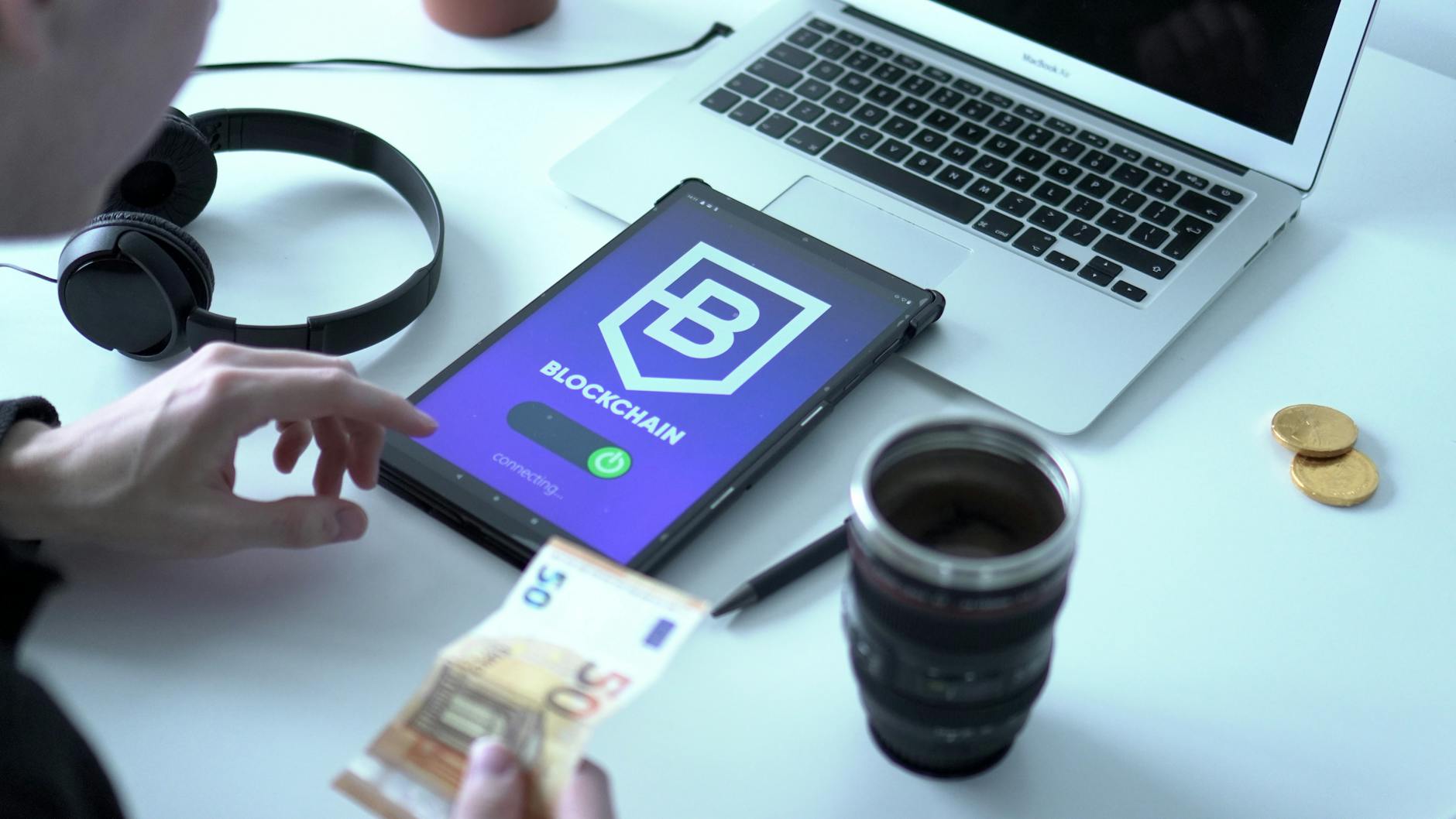
Why You Actually Need an Ethereum Wallet (And Why It Matters Now)
You're holding digital money that exists only as code. Unlike a bank account backed by government insurance or a brokerage account with regulatory oversight, Ethereum exists on a blockchain—a decentralized ledger no single institution controls. That freedom comes with responsibility: you need a tool to prove you own your ETH and authorize transactions. That tool is an Ethereum wallet.
The blunt truth: if your ETH sits on an exchange like Binance or Coinbase, you don't own it—they do. The exchange holds the private keys. You have an IOU, a database entry that says the exchange owes you some ETH. If they get hacked, declare bankruptcy, or freeze your account due to regulatory pressure, your ETH is gone. This has happened repeatedly. Celsius Network, FTX, and dozens of smaller exchanges have collapsed, leaving users with nothing.
An Ethereum wallet solves this by giving you exclusive control of your private keys—cryptographic secrets that prove ownership and authorize transactions. With a wallet, you move from counterparty risk to self-custody risk, which you control through security discipline.
As of October 23, 2026, Ethereum (ETH) trades at $2,400 (24h: 0.06% change), according to real-time market data. If you hold a meaningful amount, the difference between exchange custody and self-custody isn't theoretical—it determines whether your assets survive a crisis.
Real Ownership vs. Exchange Control: The Critical Difference
To understand why you need a wallet, you must first understand what ownership means on a blockchain.
On an Exchange (Custodial Setup):
- The exchange holds your private keys.
- You log in with username and password—something the exchange could change or revoke.
- You trust the exchange's security infrastructure.
- If the exchange is hacked, your ETH is at risk even if you used a strong password.
- If regulators shut the exchange down, accessing your funds depends on bankruptcy proceedings.
- You cannot use DApps or sign transactions directly—the exchange does it for you.
With Your Own Wallet (Self-Custody Setup):
- You hold the private key—a 64-character hexadecimal string that proves ownership.
- You authorize transactions by signing with your private key. No intermediary needed.
- Your ETH address (public key derived from your private key) is visible on the blockchain forever. Anyone can verify your balance, but only you can move your funds.
- If your device is hacked but your private key stays offline or encrypted, your funds remain safe.
- No bank, exchange, or regulator can freeze or seize your funds. Only you can spend them.
- You can interact directly with smart contracts—lending protocols, NFT marketplaces, decentralized exchanges.
This is the core reason: a wallet is the only way to achieve true ownership of Ethereum. You become your own bank, with all the freedom and responsibility that entails.
Three Types of Ethereum Wallets Explained
Not all wallets offer the same trade-offs. Understanding the spectrum helps you choose what's right for your risk tolerance and use case.
1. Hardware Wallets (Cold Storage)
A hardware wallet is a small physical device (like a USB drive) that stores your private keys offline. To authorize a transaction, you connect it to a computer or phone, review the transaction details on the device's screen, and physically approve it. The private key never leaves the device.
Examples: Ledger Nano X, Trezor Model T
Pros:
- Private keys stay offline—immune to remote hacks.
- Requires physical approval—prevents unauthorized transactions even if your computer is compromised.
- Supports multiple cryptocurrencies and DApp interaction through software wallets.
- Suits long-term holding of large amounts.
Cons:
- Costs $50–$150 upfront.
- Less convenient for frequent trading or small transactions.
- If you lose the device and lose your recovery seed, funds are permanently inaccessible.
2. Software Wallets (Hot Wallets)
A software wallet is an application—browser extension, mobile app, or desktop program—that stores your private keys (encrypted or unencrypted) on your device. You control the keys, but they're stored on an internet-connected device.
Examples: MetaMask, Walletconnect-compatible apps, Argent, Gnosis Safe (multisig)
Pros:
- Free and instant to set up.
- Convenient for DApp interaction and regular transactions.
- Full control of private keys—true self-custody.
- Enables staking, lending, NFT trading, and DEX access.
Cons:
- Private keys stored on internet-connected device—higher hack risk if malware is present.
- Browser extension attacks (fake approval screens) can trick you into signing malicious transactions.
- If your device is compromised and private keys extracted, attackers can drain your account.
- Best suited for smaller amounts or short-term holdings.
3. Custodial Wallets (Exchange Wallets)
The exchange holds your private keys. You access your ETH through their app or website. Technically you have custody of the funds, but the exchange controls the keys.
Examples: Coinbase, Binance, Kraken built-in wallets
Pros:
- Simple—no seed phrases or private key management.
- Easy customer support if you forget passwords.
- Integrated with trading and buying features.
Cons:
- Exchange controls your private keys—you don't own the ETH in the cryptographic sense.
- Cannot interact with DApps or sign smart contracts directly.
- Subject to exchange hacks, freezes, or regulatory shutdowns.
- Undermines the core philosophy of cryptocurrency ownership.
Security Risks and How Wallets Protect You
Understanding specific threats clarifies why wallets are essential.
Exchange Hack Risk
Threat: Attackers penetrate exchange servers and steal the private keys stored in their databases.
Historical Example: Binance was hacked in May 2019, losing 7,000 BTC ($40 million at the time). The exchange reimbursed users from their insurance fund, but not all exchanges have that cushion. Smaller exchanges have collapsed with no recovery.
How Your Wallet Protects You: If your ETH is in your own wallet, an exchange hack doesn't affect you. The attacker has no access to your private keys because they're not stored on the exchange.
Regulatory Shutdown
Threat: Regulators freeze or shut down an exchange, freezing customer funds during bankruptcy proceedings.
Historical Example: FTX collapsed in November 2022. Users with ETH on FTX had no access for months. Recovery remains incomplete—the bankruptcy trustee is still liquidating assets.
How Your Wallet Protects You: No regulator can freeze a blockchain address you own. Your ETH is accessible as long as you have your private key, regardless of what happens to centralized institutions.
Malware and Keyloggers
Threat: Malware on your computer captures passwords or installs a keylogger, giving attackers access to your software wallet.
How Your Wallet Protects You: Hardware wallets keep private keys offline and require physical approval—malware cannot authorize transactions without physical access. Software wallets with encrypted seeds and strong passphrases reduce but don't eliminate this risk.
Phishing and Approval Scams
Threat: A fake website tricks you into approving a transaction that transfers your ETH or grants permission to drain your wallet.
Common Scenario: You visit a fake NFT marketplace or DEX clone. You connect your MetaMask wallet and approve a transaction. Unbeknownst to you, you've signed a contract that gives the attacker permission to spend your entire wallet.
How Your Wallet Protects You: A good wallet shows you exactly what you're approving before you sign. Hardware wallets display transaction details on the device screen so you can verify before approving. This human verification is crucial—no technical system can protect against bad decisions.
Accessing DApps and Smart Contracts: Why You Need a Wallet
Ethereum's power isn't just payments—it's programmability. Smart contracts are autonomous programs that execute financial logic: lending, swapping, staking, governance voting, NFT minting. You cannot interact with any of these without a wallet that holds a private key to sign transactions.
Use Cases That Require Your Own Wallet:
- Lending (Aave, Compound): Deposit ETH to earn interest. Your wallet holds the collateral and receives interest tokens.
- Decentralized Exchanges (Uniswap): Swap tokens without an intermediary. Your wallet authorizes the swap and receives the output tokens.
- Staking (Lido, Staked ETH): Lock up ETH to earn validator rewards. Your wallet controls the staked amount and receives rewards.
- NFT Minting and Trading: Create or purchase NFTs. Your wallet authorizes the transaction and receives the NFT.
- Governance (Compound, Uniswap DAO): Vote on protocol changes using governance tokens. Your wallet signs the vote.
An exchange wallet cannot do any of this. Coinbase cannot lend your ETH to Aave on your behalf without you explicitly doing it. You need an independent wallet to access these opportunities.
According to data from CoinGecko, the DeFi sector secures over $60 billion in total value locked. None of that capital is accessible from exchange wallets—only from self-custody wallets.
Step-by-Step Setup Guide: MetaMask as Your First Wallet
For most users, MetaMask is the practical entry point. It's free, widely supported, and works on mobile and browser.
Step 1: Install MetaMask
- Go to metamask.io and download the browser extension (Chrome, Firefox, Edge, Brave).
- Or download the MetaMask mobile app from Google Play or Apple App Store.
- Click "Add to Browser" and confirm the permissions.
Step 2: Create a New Wallet
- Click the MetaMask icon in your browser toolbar.
- Click "Create a Wallet" (or "Get Started").
- Create a strong password (at least 12 characters, mix of uppercase, lowercase, numbers, symbols).
- Check the box acknowledging you understand the risks.
- Click "Create."
Step 3: Secure Your Seed Phrase
- MetaMask displays your 12-word recovery seed. This is your backup. Anyone with this phrase can restore your wallet and access all your funds.
- Write it down on paper and store it physically in a safe place—not on your computer, not in a photo, not in a note app. Paper only.
- Do NOT screenshot it. Do NOT share it with anyone, ever.
- MetaMask will ask you to re-enter the seed to confirm you wrote it down correctly.
Step 4: View Your Ethereum Address
- Your account page shows your Ethereum address (a 42-character string starting with 0x).
- This is your public wallet address. Share this freely to receive ETH.
- Your private key (visible by clicking "Show Private Key" when prompted) is different—never share this.
Step 5: Fund Your Wallet (Optional)
- Transfer ETH from an exchange: Send a small amount (e.g., 0.1 ETH) to your new wallet address to test.
- Or receive ETH from someone else.
- Check your balance on Etherscan by pasting your address into etherscan.io.
Security Best Practices During Setup
- Use a strong, unique password for MetaMask.
- Store your seed phrase offline and physically secure it.
- Enable browser notifications so you see transaction requests in real-time.
- Verify contract addresses before approving token swaps (scammers create fake tokens).
- Start with small amounts to test before moving larger holdings.
Wallet Comparison Table
| Wallet Type | Self-Custody | Private Key Control | DApp Support | Security Level | Cost | Best For |
|---|---|---|---|---|---|---|
| Hardware Wallet (Ledger, Trezor) | Yes | Full | Via paired software | Maximum | $50–150 | Large holdings, long-term storage |
| Software Wallet (MetaMask) | Yes | Full | Yes, full support | High (if device secure) | Free | Regular trading, DApp interaction |
| Custodial (Coinbase, Binance) | No | Partial (exchange holds keys) | No | Medium (depends on exchange) | Free | Buying/selling, not holding |
| Multisig (Gnosis Safe) | Yes | Distributed (requires multiple approvals) | Yes, full support | Maximum | Gas fees only | Teams, organizations, large funds |
Frequently Asked Questions
What is an Ethereum wallet, really?
An Ethereum wallet is software or hardware that stores your private key and uses it to authorize transactions on the Ethereum blockchain. It's not a container for ETH (which lives on the blockchain)—it's a tool that proves you own the ETH at a specific address.
How do I know my wallet is secure?
Check these criteria: (1) You control the private key, not a company. (2) The wallet is open-source (code is publicly auditable). (3) It has a strong security track record—no history of major hacks. (4) For large amounts, consider a hardware wallet. (5) Always verify you're using the official wallet, not a clone.
Is it safe to store ETH on MetaMask long-term?
MetaMask is suitable for amounts you're actively trading or using with DApps. For large holdings you don't plan to touch for months or years, a hardware wallet is safer because your private key stays offline. MetaMask is a hot wallet
Not if you saved your recovery seed. A hardware wallet is just a device. If you lose it, buy another hardware wallet, enter your seed phrase, and your wallet is restored with all your funds intact. The seed phrase is the backup—the device is replaceable. Never lose the seed phrase. Exchanges are regulated financial institutions. They must comply with Know Your Customer (KYC) and Anti-Money Laundering (AML) laws. A self-custody wallet is just software—it has no idea who you are, so there's nothing to verify. This is both a feature (privacy, no central database of users) and a risk (if you forget your seed, no customer service can recover it). Once signed and broadcast to the blockchain, transactions are permanent and irreversible. If you approve a smart contract that gives an attacker permission to drain your funds, they can do so. This is why you must verify what you're signing and use a hardware wallet for large amounts—it forces you to review on a separate device before approving. Yes, if you have your seed phrase. Import it into MetaMask on your phone and your laptop, and both devices control the same wallet. However, this increases attack surface—if one device is compromised, the attacker has access to your private key on that device. For maximum security, keep your seed phrase on only one device (or one hardware wallet). Yes. Every transaction on Ethereum requires gas fees paid to miners/validators. Gas prices fluctuate based on network demand. During high congestion, a simple ETH transfer might cost $10–50. Check current gas prices on Coindesk before sending, and use a wallet that lets you set custom gas limits. The choice is yours: keep your ETH on an exchange and accept counterparty risk, or move it to a wallet you control and accept technical risk. For most users, the answer is clear—a wallet is non-negotiable. Start small, secure your seed phrase, and move gradually to larger amounts as you gain confidence. "Not your keys, not your coins." This phrase captures the cryptographic reality: if you don't hold the private keys, you don't own the cryptocurrency. A wallet is how you claim ownership and take responsibility for your Ethereum. Category: Digital Asset Management, Cryptocurrency Self-Custody Key Features: Platforms Supported: Web (browser extensions like MetaMask), Mobile (iOS, Android), Hardware (USB devices like Ledger Nano), Desktop (standalone applications) Markets: Global; essential infrastructure for users in all jurisdictions engaging with Ethereum (ETH currently $2,400 as of October 23, 2026)Can I lose my ETH if I lose my hardware wallet?
Why do exchanges ask for personal information but wallets don't?
What happens if I approve a malicious transaction on my wallet?
Can I use the same wallet on multiple devices?
Do I need to pay gas fees to send ETH from my wallet?
Ready to Take Control of Your Ethereum?
Ethereum Wallet Overview
Related Reading on Pro Trader Daily