What Is Safer Coinbase or Binance? Evidence Compared
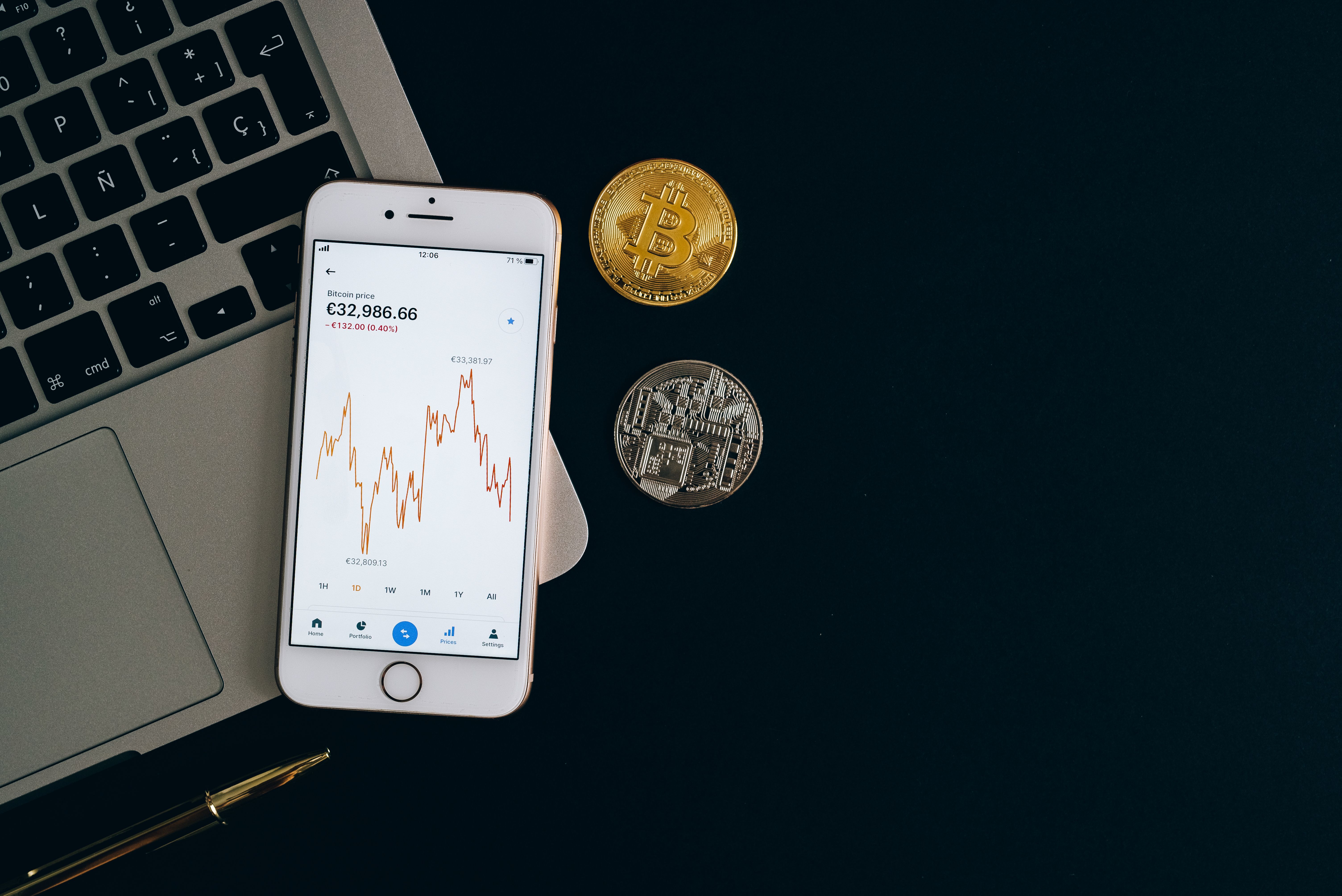
If you hold coins on an exchange, you are trusting a company with your money. Bitcoin is trading at $74,541 and Ethereum at $2,119, per real-time market data as of November 9, 2026, so even a modest balance is worth protecting. The two exchanges carry very different legal histories, corporate structures and risk profiles.
What the public record says
Its founder, Changpeng Zhao, stepped down as CEO as part of the resolution. Coinbase has no comparable criminal resolution. It has been a Nasdaq-listed company (ticker COIN) since 2021, which means it files audited financial statements and security-incident disclosures with the SEC.
Check the SEC for current filings, since regulatory status changes.
Side-by-side safety profile
| Factor | Coinbase | Binance |
|---|---|---|
| Corporate status | Publicly listed (Nasdaq: COIN), US-headquartered | Privately held, global operation |
| US availability | Core product for US customers | Global platform not offered to US users; a separate entity, Binance.US, serves the US |
| Audit and certification | States it holds SOC 2 Type II reports | Publishes proof-of-reserves; check its site for current certifications |
| Fund protection | — | SAFU emergency fund; not a government-backed scheme |
| Major legal history | — | 2023 DOJ, CFTC, FinCEN and OFAC settlement |
| Proof of reserves | Relies on audited public financials as a listed company | Merkle-tree proof-of-reserves reporting |
| Withdrawal protections | — | — |
Feature names and limits change often. Confirm each item on the exchange's own security page before relying on it.
6 safety factors ranked
Here is how each factor shakes out, ordered by how much it matters for a typical retail holder.
- Regulatory standing: Coinbase leads. A listed US company is generally easier to hold accountable than a privately held global exchange. The 2023 Binance settlement is the single largest negative in this comparison.
- Insurance and fund protection: Coinbase leads, narrowly. FDIC pass-through applies only to USD balances held in the program, not to crypto. It is a company reserve, not a regulated guarantee.
- Transparency: Coinbase leads on legal disclosure, Binance on reserve reporting. SEC filings give Coinbase a mandatory disclosure trail. Binance's Merkle-tree proof-of-reserves lets users check that their balance is included in a published snapshot.
- Custody design: roughly even. Exchanges typically keep customer assets in a mix of cold storage and hot wallets.
- Account security tools: even. Both offer account security tools such as two-factor authentication. Your own configuration matters more than the platform here.
- Incident track record: mixed. Each has had a notable incident (see below). Neither has a clean sheet.
Security incidents and the "$6 billion" headline
A Yahoo Finance headline asks "Is Coinbase Safe After the $6 Billion Binance Hack?" That figure drives a lot of searches for this topic. I could not confirm the mechanics of that event against a primary filing or regulator statement while writing this, so the comparison here does not rely on it. If you are weighing that story, read the original report and check whether Binance has published an official statement.
The incidents that are well documented:
| Date | Exchange | What happened | Outcome |
|---|---|---|---|
| May 2019 | Binance | — | — |
| November 2023 | Binance | Guilty plea to AML and sanctions violations; large penalties | CEO stepped down |
| May 2025 | Coinbase | — | — |
The pattern matters more than any single event. Binance's problems have been mostly about compliance and legal exposure. Coinbase's have been about data and social engineering. For a user, the biggest practical risk is often being scammed, not the exchange's vault being drained.
Fees: what safety costs you
Fee schedules are tiered by volume and change. The comparison below is qualitative. Check the live fee pages before trading.
| Item | Coinbase | Binance |
|---|---|---|
| Beginner buy interface | Spread plus a fee that varies by amount and payment method | Convert and buy-crypto tools with fees that vary by method |
| Advanced spot trading, entry tier | — | — |
| Overall cost | — | — |
It is also small compared with the loss from a frozen account or a failed withdrawal, so safety-first users often accept the higher fee. Investopedia publishes a Binance vs. Coinbase comparison that is worth reading alongside this one.
Assets, limits and regional access
| Item | Coinbase | Binance |
|---|---|---|
| Supported assets | — | — |
| Withdrawal limits | Vary by verification level, region and payment method | Vary by verification level (the KYC tiers) and region |
| KYC | Identity verification required to buy and withdraw | Identity verification required for full access and higher limits |
| Regional access | Available in many countries; features differ by region | Restricted in several jurisdictions; US users are directed to Binance.US |
A longer asset list is not a safety advantage. More listings mean more exposure to low-quality tokens, which tend to be the ones that suffer rug pulls, delistings and thin liquidity. Do not bypass regional restrictions to reach either platform. Doing so can breach the terms of service and leave you without recourse if funds are frozen.
Practical steps to reduce risk on either exchange
Exchange choice is one variable. Account setup is the other, and it is under your control.
- Use a hardware security key or passkey where offered, rather than SMS codes. SIM-swap attacks target text-message 2FA.
- Turn on withdrawal address allowlisting. Where offered, this adds friction that can blunt account-takeover theft.
- Ignore inbound "support" calls. Impersonation scams are common in crypto. Neither exchange will ask you to move funds to a "safe wallet".
- Keep only trading balances on the exchange. Long-term holdings belong in self-custody. See our best crypto wallets guide.
- Split across venues if balances are large. Spreading funds limits the damage from a single failure.
- Remember that crypto is not FDIC or SIPC insured. Only the USD cash portion may carry pass-through coverage, and only under conditions.
One common mistake is sending funds on the wrong network, such as a token on an incompatible chain. Test with a small amount first. Such transfers are often irreversible.
Verdict by user type
| If you are... | Safer pick | Reason |
|---|---|---|
| A US resident | Coinbase | Licensed, listed, and built for US compliance; Binance's global exchange is not offered to you |
| A risk-averse holder | Coinbase | Mandatory disclosures and a cleaner legal record |
| A cost-sensitive active trader outside the US | Binance, with caution | Often lower fees; accept the legal-history risk and use smaller balances |
| A long-term holder | Neither as final storage | Self-custody removes exchange counterparty risk |
For deeper background, see our how to buy Bitcoin safely walkthrough, our breakdown of crypto exchange security checklist items, and the self-custody vs exchange custody explainer. Traders who want a wider view can read about crypto trading fees explained and the Coinbase stock COIN analysis. More coverage is in our complete fintech guide and the crypto articles hub.
FAQ
What is safer, Coinbase or Binance?
Coinbase is generally considered safer for US and risk-averse users because it is publicly listed, files audited disclosures with the SEC and has no criminal settlement. Binance has strong technical features, but its 2023 US settlement raises legal and counterparty concerns.
Is it safe to keep crypto on Coinbase or Binance?
Exchange-held crypto carries counterparty risk and is not FDIC insured. Keep only what you trade on the exchange and move long-term holdings to self-custody.
How does insurance work on each exchange?
Coinbase may offer FDIC pass-through coverage on USD balances under certain conditions; crypto itself is not FDIC insured. Binance relies on its SAFU emergency fund, which is a company reserve, not a government guarantee.
Why do people worry about Binance's safety?
Mainly because of the November 2023 guilty plea to anti-money-laundering and sanctions violations, plus its privately held, global structure. Technical security is a separate question from legal and compliance risk.
How to protect my account on either platform?
Use a hardware key or passkey, enable withdrawal allowlisting, avoid SMS 2FA, ignore unsolicited support contact and send a small test transaction before any large transfer.
For a complete overview, see our Best Crypto Exchanges Guide.
Disclosure: XPERTRAX (xpertrax.com) is an affiliated platform. Links and pop-ups pointing to xpertrax.com promote it. This article is for information only and is not financial advice.