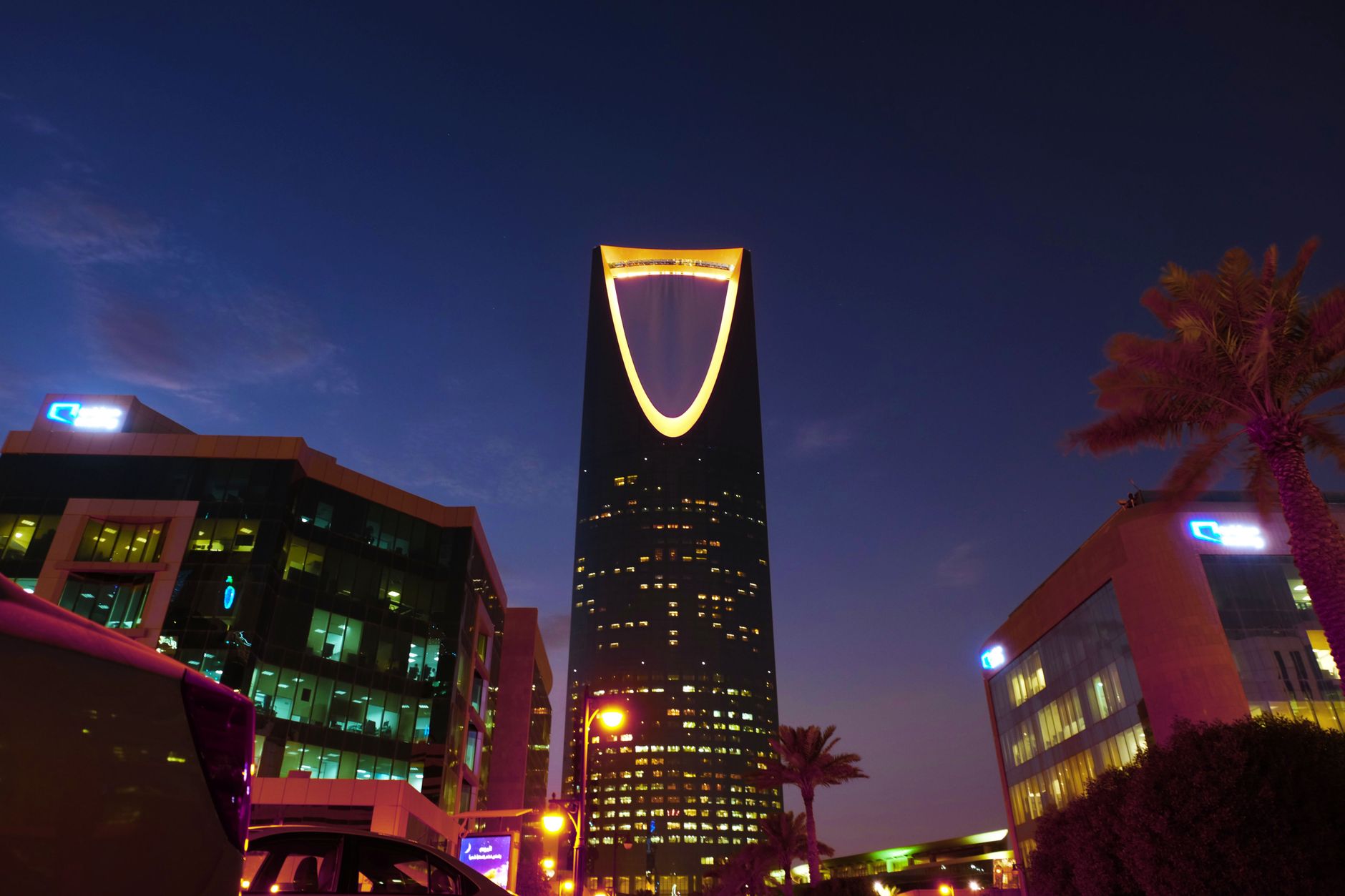
The Truth About OKX's Legal Status in Saudi Arabia: What You Need to Know
OKX Operating Status in Saudi Arabia: The Current Reality
OKX, one of the world's largest cryptocurrency exchanges by trading volume, maintains operational access for Saudi Arabian users through its global platform. However, this access exists in a legally ambiguous space. SAMA has not explicitly prohibited OKX, but neither has it approved or regulated the exchange for Saudi operations.
The distinction matters. Unlike the United Arab Emirates, where Dubai's Virtual Assets Regulatory Authority (VARA) has begun licensing crypto platforms, Saudi Arabia has taken a more cautious approach. SAMA's public statements indicate skepticism toward cryptocurrency trading, particularly for retail investors. Yet SAMA has not criminalized personal cryptocurrency use or exchange access.
According to reporting from Reuters on OKX's Dubai licensing strategy, the exchange is actively building regulatory relationships in the Middle East to strengthen its standing across the region. This move suggests OKX recognizes the importance of jurisdictional compliance and is preparing for tighter frameworks that may eventually affect Saudi market access.
In practice, Saudi residents can create OKX accounts, deposit funds, and trade cryptocurrencies. The exchange does not block Saudi IP addresses, and its Know Your Customer (KYC) verification process accepts Saudi national identification documents. However, without explicit regulatory approval from SAMA, users assume legal and financial risks that are not present in fully regulated markets.
Understanding SAMA's Regulatory Framework on Cryptocurrency
The Saudi Arabian Monetary Authority serves as the kingdom's central bank and primary financial regulator. SAMA's position on cryptocurrency has evolved gradually, but remains restrictive compared to global peers.
SAMA's Official Stance (2023-2026 Timeline)
- 2018: SAMA issued initial warnings against cryptocurrency use, emphasizing lack of regulatory oversight and consumer protection risks.
- 2021: SAMA reiterated that cryptocurrencies are not legal tender in Saudi Arabia and warned about speculative trading dangers.
- 2023: SAMA began discussions around potential blockchain technology applications but maintained skepticism toward retail crypto trading.
- 2024-2026: SAMA observing regulatory developments in UAE and other regional jurisdictions, with no indication of imminent Saudi crypto licensing framework.
SAMA's reluctance to regulate cryptocurrency stems from several factors: concern over money laundering and terrorism financing, protection of retail investors from volatility, and preservation of monetary policy autonomy. The regulator has emphasized that it does not endorse cryptocurrency investments and cannot guarantee protection for funds held on unregulated exchanges.
Critically, SAMA distinguishes between blockchain technology (which it may support for enterprise use cases) and cryptocurrency trading (which it does not promote). This distinction is important: Saudi Arabia may eventually develop blockchain infrastructure while continuing to restrict retail crypto trading platforms.
How Saudi Users Access OKX Safely: Step-by-Step Process
While OKX operates without SAMA approval, millions of Saudi traders access the platform daily. The process is straightforward, but security and compliance are paramount.
Account Creation & Initial Setup
- Visit OKX official website: Navigate to okx.com and click "Sign Up" (avoid phishing links; bookmark the official domain).
- Enter email or phone number: OKX accepts both email addresses and international phone numbers with +966 (Saudi) country code.
- Create secure password: Use a minimum 12-character password with uppercase, lowercase, numbers, and symbols. Enable two-factor authentication (2FA) immediately.
- Email verification: Check your registered email and click the confirmation link within 24 hours.
- Download authenticator app: Install Google Authenticator, Microsoft Authenticator, or Authy on your phone for backup 2FA codes. Cryptocurrency theft via compromised email accounts is common in Saudi Arabia; 2FA is non-negotiable.
Identity Verification (KYC Process)
OKX requires identity verification to deposit funds or withdraw cryptocurrencies. The KYC process is mandatory for compliance with international anti-money laundering (AML) standards, even though SAMA does not regulate OKX directly.
- Document requirements: OKX accepts Saudi National ID (Iqama), Passport, or Driving License. Government-issued photo ID is essential.
- Upload documents: Provide a clear, frontal photo of your ID. Ensure all text is legible. Rejected images delay verification by 2-5 days.
- Selfie & liveness check: OKX requires a selfie holding your ID. Some users report that wearing sunglasses or face masks causes rejection; ensure good lighting and clear facial visibility.
- Address verification (POA): Provide proof of address using a utility bill, bank statement, or government letter issued within the last 3 months. Utility bills (Electricity, Water) are standard in Saudi Arabia and universally accepted.
- Verification timeline: Basic verification (Level 1) typically completes within 24-48 hours. Level 2 verification (higher withdrawal limits) may take 3-7 business days.
After verification approval, you unlock deposit capabilities and standard withdrawal limits (typically $5,000-$50,000 per day depending on verification tier). OKX does not collect additional documentation for Saudi users specifically, but holds reserves to freeze accounts if suspicious activity is detected.
Detailed KYC & Verification Requirements for Saudi Users
Common verification issues Saudi users encounter:
- Address mismatch: Ensure your proof of address matches the residential address you entered during signup. Even minor discrepancies (apartment number, street spelling) trigger rejection.
- Iqama expiration: Expired Iqama (residence permit) may cause verification delays. Renew your Iqama before uploading if expiration is within 3 months.
- Document language: OKX generally accepts documents in Arabic or English. Ensure your scans are high-quality (300+ DPI) with no glare or shadows.
- Duplicate submissions: Do not resubmit after rejection; instead, use the "Appeal" function within OKX and clearly note what you corrected.
Verification tiers and withdrawal limits:
| Verification Level | Required Documents | Daily Withdrawal Limit | Approval Time |
|---|---|---|---|
| Level 1 (Basic) | National ID, Selfie | $5,000 | 24-48 hours |
| Level 2 (Standard) | Level 1 + Proof of Address | $50,000 | 3-7 days |
| Level 3 (Enhanced) | Level 2 + Income/Employment Verification (if triggered) | Unlimited | 5-14 days |
Most Saudi traders operate comfortably within Level 2 limits. Level 3 is typically required only for accounts attempting to withdraw more than $50,000 per day or flagged by OKX's compliance team for suspicious activity patterns.
Deposit & Withdrawal Methods in Saudi Riyals (SAR)
OKX does not support direct SAR bank transfers in Saudi Arabia (SAMA restricts banks from processing crypto platform payments). However, Saudi users have several workarounds:
Primary Funding Methods
- P2P Trading: OKX's P2P marketplace allows peer-to-peer SAR transactions directly between users. Saudi traders deposit SAR to other users' local bank accounts and receive cryptocurrency in return. OKX acts as an escrow holder, releasing crypto only after both parties confirm the transaction. P2P spreads typically run 1-3% above market rates due to intermediary costs.
- International bank transfers (SWIFT): Transfer USD or EUR from your Saudi bank account to OKX's international bank partner, then convert to cryptocurrency. Most Saudi banks (Riyad Bank, Al Rajhi, Samba, etc.) allow SWIFT transfers. Expect 3-5 business day settlement and $20-50 in transfer fees.
- Crypto-to-crypto deposits: If you already hold cryptocurrency (Bitcoin, Ethereum) in another wallet or exchange, transfer directly to your OKX deposit address. This method is instant and fee-free from your end.
- OKX SAR cashback campaigns: OKX periodically runs promotions offering SAR cashback for deposits. In 2025, OKX ran a campaign offering 0.5-1.5% SAR rewards on first deposits for new Saudi users, effectively reducing deposit friction.
Withdrawal to Fiat (SAR)
Withdrawing cryptocurrency back to Saudi riyals is more difficult. Most direct SAR withdrawal options are unavailable due to SAMA restrictions. Saudi users typically convert cryptocurrency to stablecoins (USDT, USDC) on OKX, then use P2P to convert back to SAR through other traders, or move funds to a foreign account.
Some Saudi traders use international payment platforms (PayPal, Wise) to move funds between accounts, but this adds extra steps and processing time (2-7 days).
Alternative Exchanges Available to Saudi Traders
If you're concerned about OKX's regulatory status in Saudi Arabia, several other platforms offer crypto trading to Saudi users. However, none operate with explicit SAMA approval.
- Binance: Larger trading volume than OKX, stronger brand recognition, and broader asset selection. However, Binance faces similar regulatory uncertainty in Saudi Arabia. Binance has been more proactive in seeking UAE regulation and compliance.
- Kraken: US-regulated exchange with strong compliance practices. Limited SAR funding options but highly secure platform. Recommended for long-term holders prioritizing security over convenience.
- Bybit: Singapore-regulated derivative exchange popular for futures trading. Supports SWIFT withdrawals and P2P SAR trading similar to OKX.
- Huobi Global: Another large Asian exchange with regional SAR support, but weaker regulatory standing than Binance or Kraken.
- FTX Arabia (limited operations): FTX's collapse in 2022 eliminated this option, but it previously operated a Saudi-focused product.
None of these alternatives eliminate regulatory risk. The choice between OKX and competitors should depend on your trading needs, security preferences, and comfort with regulatory uncertainty.
Tax Implications for Saudi Residents Trading Crypto
Cryptocurrency taxation in Saudi Arabia is underdeveloped. SAMA has not issued comprehensive guidance on how to report crypto gains or losses.
Current tax environment:
- No capital gains tax: Saudi Arabia does not have a traditional capital gains tax on individuals. This is a significant advantage compared to many countries.
- Corporate tax (for businesses): If you trade cryptocurrency as a business (not casual investing), profits may be subject to Saudi corporate income tax at 20%. This applies primarily to professional traders or trading companies, not retail investors.
- No crypto-specific tax reporting: The General Authority of Zakat and Income (GAZT) has not issued mandatory reporting requirements for cryptocurrency holdings or transactions. However, this is likely to change as regulations evolve.
- Zakat considerations: Some Islamic scholars debate whether cryptocurrency holdings subject to zakat (2.5% annual charitable obligation). Conservative interpretation suggests yes; liberal interpretation suggests no. Consult a local Islamic advisor if zakat compliance is important to you.
- Future reporting risk: If Saudi Arabia establishes a comprehensive tax registry or reporting framework, government authorities could theoretically cross-reference OKX transaction history with your account if audited. Keep detailed records for your own compliance.
For most Saudi retail traders, crypto transactions remain untaxed. However, expect this to change within 2-3 years as global tax reporting standards (FATCA, CRS) pressure Saudi Arabia to establish clearer frameworks.
Risks & Legal Considerations: What You Must Understand
Regulatory Risk: Could SAMA Ban OKX?
SAMA could theoretically issue a ban or warning targeting OKX specifically. This has occurred in other jurisdictions: Bangladesh blocked Binance, Iran restricted Kraken, and China banned all crypto exchanges in 2021. If SAMA banned OKX, your account would not be frozen immediately, but you could face restrictions on deposits/withdrawals and potential future legal exposure.
Current probability: Low to moderate. SAMA shows no immediate intent to ban crypto exchanges entirely. However, licensing requirements could force OKX to withdraw from Saudi Arabia if compliance costs exceed market opportunity.
Financial Risk: Lack of Regulatory Protection
Unlike traditional banks (protected by SAMA insurance up to SAR 500,000 per depositor), cryptocurrency held on OKX has zero regulatory protection. If OKX suffers a hack, liquidity crisis, or insolvency, your funds may be unrecoverable. OKX maintains strong security practices and has not suffered a major hack in 5+ years, but this risk remains inherent to unregulated exchanges.
Personal Risk: Documentation and Scrutiny
Cryptocurrency transactions are pseudonymous but not anonymous. OKX holds complete records of your deposits, trades, and withdrawals. If you are ever audited by Saudi tax authorities or involved in a financial investigation, crypto activity on OKX could surface. While trading itself is not illegal, investigators might view large unexplained transfers suspiciously. Maintain clear records of all transactions for your own protection.
Operational Risk: Account Freezing and AML Compliance
OKX maintains an automated monitoring system that flags suspicious activity. Common triggers include:
- Rapid transfers of large sums to external wallets (automated trading strategies can trigger false positives).
- Multiple deposits from different sources in short timeframes (pooling funds from friends or family).
- Trading patterns consistent with money laundering (circular buys and sells at inflated prices).
- Withdrawals to high-risk jurisdictions (North Korea, Iran, Syria).
If flagged, OKX may freeze your account pending AML review. Unfreezing typically requires document submission and explanations, taking 5-30 days. Legitimate traders occasionally face false positives; however, OKX generally resolves these within 2-3 weeks if your activity is genuine.
Frequently Asked Questions
Is trading crypto on OKX illegal in Saudi Arabia?
No, it is not illegal. SAMA has not criminalized personal cryptocurrency trading or exchange use. However, SAMA does not regulate OKX, meaning you lack official legal protection if disputes arise. The distinction between "not illegal" and "legally safe" is important: activity can be legal but risky.
Will SAMA block access to OKX in the future?
SAMA could theoretically block OKX if it determined crypto trading posed systemic risks. However, this would require new regulatory action. Saudi Arabia cannot unilaterally block a US-registered company's website without coordinating with ISPs, which is technically difficult. More likely is that SAMA would issue warnings or require banks to halt crypto-related transfers, making funding difficult but not illegal.
How much can I safely withdraw from OKX to Saudi Arabia?
Withdrawal limits depend on your verification tier (see KYC table above). For tax and scrutiny purposes, withdrawals under SAR 50,000 monthly are unlikely to trigger official attention. Larger amounts should be documented clearly. There is no legal limit, but undocumented large transfers could raise questions during audits.
Is OKX safer than Binance in Saudi Arabia?
Both face identical regulatory risk in Saudi Arabia. OKX and Binance have comparable security records and insurance practices. Binance has stronger global brand recognition and larger trading volume, which some view as a security advantage. OKX has better SAR P2P liquidity. Choose based on your trading needs rather than regulatory safety (both are equivalent in that regard).
What happens if I get caught using OKX?
There is no legal penalty for using OKX in Saudi Arabia currently, as it is not banned. However, if authorities investigate you for unrelated reasons (money laundering, tax evasion, sanctions violations), crypto activity could be scrutinized. If OKX were banned, using it would not retroactively criminalize past trading, but future access would be restricted.
Can I use OKX with a VPN in Saudi Arabia?
OKX does not explicitly block VPN usage, and most VPN providers work with the platform. However, using a VPN to evade national restrictions could theoretically violate Saudi telecommunications law, which restricts VPN use for certain purposes. OKX access does not currently require a VPN in Saudi Arabia, so there is no compelling reason to use one. Avoid VPN use if possible to reduce legal ambiguity.
How do I report OKX crypto taxes in Saudi Arabia?
Currently, there is no mandatory reporting mechanism for crypto gains in Saudi Arabia. If GAZT establishes requirements in the future, OKX transaction history would be discoverable through information-sharing agreements. Maintain detailed personal records (dates, amounts, prices, conversion rates) for your own compliance and to support any future tax filings.
Experience & Practical Considerations for Saudi Traders
Trading cryptocurrency on OKX as a Saudi resident requires balancing opportunity with uncertainty. Here are concrete steps real traders use to navigate this environment:
Secure your account first: Enable 2FA before depositing any funds. Most OKX account compromises occur via phishing emails or malware stealing login credentials. Use a dedicated email address for OKX (separate from personal/work email) and store authenticator backup codes in a secure location (encrypted password manager or physical safe). If your account is hacked, OKX's customer support cannot recover funds in most cases.
Start small with P2P: Your first deposit should be modest (SAR 1,000-5,000) through OKX's P2P marketplace to test the process. P2P transactions reveal which local traders are active and responsive, reducing friction for future larger deposits. Once you identify reliable P2P counterparties, subsequent deposits are faster.
Document everything: Screenshot or export all transaction records from OKX. Create a spreadsheet with dates, amounts, prices, and wallet addresses for every deposit and withdrawal. If you are ever audited or need to justify large transfers, documentation protects you. OKX's platform allows CSV exports of transaction history; use this feature monthly.
Separate wallets for trading vs. holding: Do not hold long-term cryptocurrency on OKX if you plan to trade frequently. Instead, keep active trading capital on OKX and transfer long-term holdings to a personal hardware wallet (Ledger, Trezor). Hardware wallets ensure you control private keys and reduce exchange-based risk. For most Saudi traders, a Ledger Nano S or Nano X (priced USD 50-150) is sufficient for long-term security.
Monitor regulatory news: SAMA publishes financial regulations through its official website and press releases. Subscribe to regulatory newsletters or follow OKX's Saudi Arabia community channels (telegram groups, Discord) to stay informed of any changes to the legal environment. Regulatory shifts happen gradually; early awareness gives you time to adjust.
Tax and financial planning: If you realize significant cryptocurrency gains, consult a tax advisor or accountant familiar with crypto (many major Saudi accounting firms now offer this service). While Saudi Arabia does not currently tax capital gains, building a relationship with a qualified advisor positions you for compliance if regulations change.
According to current SAMA guidance, the monetary authority does not regulate cryptocurrency exchanges and warns consumers that crypto trading is not endorsed by Saudi financial regulators. Users accessing platforms like OKX do so at their own risk, without protection equivalent to traditional banking services. This distinction underscores the importance of treating OKX deposits as speculative capital you can afford to lose, not emergency savings.
Summary: Is OKX Legal in Saudi Arabia?
OKX operates in Saudi Arabia without explicit legal prohibition, but also without regulatory approval from SAMA. This creates a permissible but unprotected environment. Saudi users can access OKX through standard verification processes, deposit via P2P or international transfers, and trade cryptocurrencies. However, SAMA does not regulate OKX, does not insure deposits, and could theoretically restrict access in the future.
For traders comfortable with this level of regulatory uncertainty, OKX offers robust features: strong platform security, deep SAR P2P liquidity, competitive trading fees, and 24/7 access to global cryptocurrency markets. For conservative investors, the lack of regulatory protection may justify using smaller allocations or alternative jurisdictions (UAE, Singapore) with clearer frameworks.
The regulatory environment is not static. Monitor SAMA announcements, maintain detailed transaction records, and adjust your strategy if formal licensing requirements or restrictions are imposed. Short-term, OKX access is stable and functional. Long-term, regulatory clarity will eventually arrive, likely requiring compliance updates.
Related Reading & Further Resources
For deeper context on cryptocurrency regulation in the Middle East and broader fintech topics, explore these related articles:
- More crypto articles
- Cryptocurrency Regulation in the Middle East: MENA Region Overview
- Complete fintech Guide
- Hardware Wallet Security Guide: Protecting Your Long-Term Holdings
- Risk Management Strategies for Crypto Traders
- Tax Planning Strategies for Cryptocurrency Investors
- International Money Transfer Methods: SWIFT vs. Alternatives