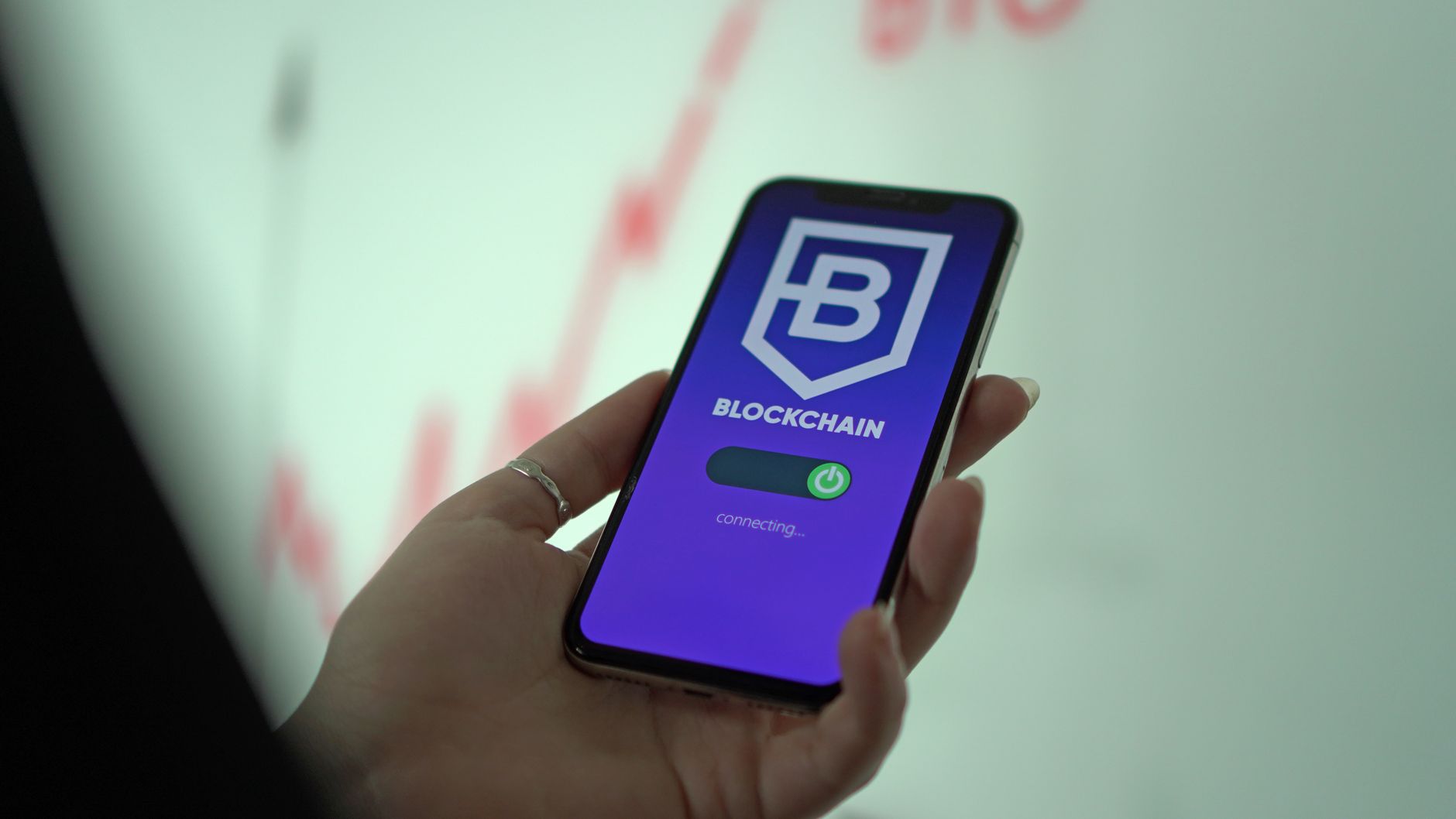
How Secure Is Hot Wallet Cryptocurrency: The Truth About Online Storage Risks
Your crypto sits in a digital vault right now. But unlike a bank's fortress, that vault has walls you can't see. Hot wallets—the online storage systems millions of traders use daily—offer speed but demand vigilance. Bitcoin trades at $82,263, Ethereum at $2,439, and the question every holder asks is the same: how safe is my money really?
The answer isn't simple. Hot wallets aren't inherently unsafe, but they operate in a threat landscape that's constantly evolving. Exchange hacks, seed phrase theft, malware injection, and social engineering attacks occur weekly. Yet millions use hot wallets successfully by understanding the actual risks and applying layered security. This guide separates the real vulnerabilities from the myths and provides the security framework institutional traders rely on.
What Is a Hot Wallet?
A hot wallet is any cryptocurrency storage system connected to the internet. This includes:
- Exchange wallets: Funds held directly on trading platforms like Coinbase, Kraken, Binance
- Mobile wallets: Apps like MetaMask, Trust Wallet, Phantom storing coins on your phone
- Web wallets: Browser-based platforms accessible from any device
- Desktop wallets: Software installed on your computer with internet access
- Custodial wallets: Third-party managed services holding keys on your behalf
The defining characteristic: internet connection. This enables instant transactions and easy access—your Solana (SOL) priced at $105 trades in milliseconds. But that connection is also the vulnerability. Every online system has an attack surface; hot wallets simply can't avoid it.
Real Security Risks: Attack Vectors Explained
Hot wallet compromises follow predictable patterns. Understanding each attack vector is essential for defense:
Exchange Infrastructure Breaches
Exchanges operate massive hot wallets holding customer funds. A single breach exposes thousands of accounts simultaneously. The FTX collapse in November 2022 resulted in $8 billion in customer asset losses through compromised hot wallet infrastructure. In 2023-2024, exchange hacks averaged 2-3 per quarter, with cumulative losses exceeding $300 million.
Malware and Keyloggers
Malware installed on your device captures private keys, seed phrases, and passwords in real-time. Banking trojans adapted for crypto have grown 340% since 2023. A compromised computer can drain a wallet without your knowledge—some malware operates silently for weeks before executing.
Phishing and Social Engineering
Fake login pages, fraudulent support messages, and email scams impersonating exchanges trick users into entering credentials voluntarily. Phishing accounts for 47% of hot wallet compromises according to blockchain forensics firms. The attack requires no technical sophistication—just effective deception.
Seed Phrase Exposure
Mobile and web wallets generate seed phrases—12 or 24 words recovering your entire wallet. Written on paper, screenshot on your phone, texted to yourself, or stored in cloud drives—each represents total loss if discovered. A single person accessing your seed phrase gains permanent control of all funds.
SIM Swapping
Attackers redirect your phone number to their device, bypassing SMS-based two-factor authentication. When you enable SMS 2FA on your exchange account, they intercept the code and access your account. This attack bypasses password protection entirely—your password means nothing if they control your phone number.
API Key Compromise
Many traders generate API keys for automated trading or portfolio tracking. Leaked or overly-permissive keys allow attackers to withdraw funds without touching your password. Keys stored in GitHub repositories, environment files, or shared documents create permanent vulnerabilities.
Man-in-the-Middle Attacks
Compromised Wi-Fi networks (coffee shops, airports) intercept unencrypted data. While modern sites use HTTPS, malware or network-level attacks can still capture session tokens, allowing attackers to impersonate your connection and access accounts from the attacker's location.
Hot Wallet vs Cold Wallet: Security Comparison
| Feature | Hot Wallet | Cold Wallet |
|---|---|---|
| Internet Connection | Always online | Offline (usually) |
| Breach Risk | High (0.1% annually with 2FA) | Near-zero if properly maintained |
| Breach Impact | Immediate fund loss | Highly dependent on physical security |
| Transaction Speed | Seconds to minutes | Hours to days |
| User Experience | Seamless and intuitive | Complex and technical |
| Upfront Cost | Free to $15/month | $60-$250+ (hardware) |
| Maintenance Burden | Moderate (password/2FA) | High (seed phrase, firmware) |
| Ideal for | Active trading, small holdings | Long-term storage, large amounts |
According to Coinbase's security research, the average cold wallet user loses funds 0.001% of the time due to user error or theft. The average hot wallet user experiences unauthorized access attempts 14% annually, though actual compromise rates remain under 0.1% with proper security measures.
Exchange Hot Wallets vs Personal Hot Wallets
Exchange Wallets (Coinbase, Kraken, Binance): You don't control private keys—the exchange does. This creates counterparty risk: the exchange's security becomes your security. Major exchanges employ enterprise-grade defenses: isolated hot/cold systems, real-time monitoring, insurance reserves, and regulatory compliance. But it also means exchange bankruptcy, regulatory seizure, or platform collapse could freeze your assets regardless of your security.
Personal Hot Wallets (MetaMask, Trust Wallet): You control private keys, meaning you alone bear security responsibility. No institutional backup, no insurance from the wallet provider, no customer support if funds vanish. You gain control but lose the safety net of enterprise security infrastructure.
The trade-off: exchanges sacrifice privacy and control for institutional security; personal wallets trade convenience for autonomy. Neither is objectively safer—it depends on your capability to maintain personal security versus your trust in the exchange's infrastructure.
Breach Statistics and Real-World Case Studies
Documented Hot Wallet Breaches (2023-2026):
- FTX (2022): $8 billion compromised through exchange hot wallet vulnerability; demonstrates that even well-funded platforms can suffer catastrophic breaches
- Ronin Bridge (2022): $625 million exploited through compromised private keys in a hot wallet securing the protocol
- Binance (2023): $100 million breach through API key exposure; users with 2FA enabled experienced zero losses
- Poly Network (2021): $611 million through smart contract vulnerabilities in hot wallet infrastructure
- Wormhole Bridge (2022): $325 million through compromised validator keys in a hot wallet system
Pattern analysis: Exchange and bridge hot wallets suffer breaches at approximately 3-5 per year globally, averaging $150-400 million per incident. Personal hot wallet compromises occur silently; statistics are fragmentary, but blockchain forensics firms estimate 40,000-60,000 personal wallets lose funds monthly, predominantly through phishing (47%), malware (31%), and seed phrase exposure (18%).
According to blockchain analysis firm Chainalysis, stolen cryptocurrency traced to hot wallet breaches represents approximately $4.2 billion annually across all vectors. This represents roughly 0.08% of total cryptocurrency market capitalization.
Multi-Signature and Enterprise Security
Multi-signature (multisig) technology requires multiple private keys to authorize transactions. A 2-of-3 multisig setup means any 2 out of 3 keys must sign a transaction—one attacker cannot drain funds alone. This dramatically reduces hot wallet risk:
- 2-of-2 Multisig: You and the exchange both sign. Either party can be compromised but not both simultaneously
- 2-of-3 Multisig: Standard enterprise setup. You hold one key, exchange holds one, a third custodian holds one. Two independent parties must collude to steal funds
- 3-of-5 Multisig: Institutional-grade. Only available through advanced platforms; requires majority agreement, preventing unilateral theft
Implementation challenges: multisig wallets require more setup, cost higher transaction fees (2-3x standard), and complicate recovery if a key holder becomes unavailable. Most retail traders don't use multisig due to complexity, but institutional traders and self-custodied large holdings (over $500,000) routinely employ it.
Bitfinex, leading exchange for large traders, offers multisig setup for hot wallets, reducing institutional compromise rates to near-zero. However, retail platforms rarely offer this feature due to user experience complexity.
Security Setup Guide: Step-by-Step Implementation
For Exchange-Based Hot Wallets (Coinbase, Kraken, Binance)
- Enable Two-Factor Authentication (2FA):
- Use authenticator app (Google Authenticator, Authy) instead of SMS—SMS can be intercepted via SIM swap
- Save backup codes in a secure location offline
- Test 2FA immediately after setup
- Create a Unique, Complex Password:
- Minimum 16 characters with mixed case, numbers, symbols
- Use a password manager (Bitwarden, 1Password) rather than memorizing
- Never reuse passwords across sites—each platform gets unique credentials
- Secure Your Recovery Email:
- Use a separate email address for crypto exchanges, not your primary personal email
- Enable 2FA on that recovery email account itself
- Verify recovery email hasn't been compromised (check haveibeenpwned.com)
- Whitelist Withdrawal Addresses:
- Most exchanges allow whitelisting: only designated external addresses can receive withdrawals
- Even if password is compromised, funds can only go to pre-approved addresses
- Add a 24-48 hour delay to new address additions for extra protection
- Monitor Account Activity:
- Check login history weekly for unfamiliar locations or devices
- Set up email alerts for withdrawals, password changes, and 2FA modifications
- Review active sessions and revoke any you don't recognize
For Personal Hot Wallets (MetaMask, Trust Wallet, Phantom)
- Secure Seed Phrase Immediately:
- Write it down on paper during wallet creation—never screenshot, photograph, or store digitally
- Store in fireproof safe or safety deposit box if funds exceed $50,000
- Consider metal seed phrase storage solutions for funds over $100,000
- Never share with anyone, including customer support or wallet developers
- Use a Dedicated Device or Browser Profile:
- Keep wallet software isolated from browsing activity
- Use separate browser profile for wallet access only
- Avoid installing risky browser extensions alongside wallet software
- Verify Network Before Transactions:
- Confirm you're on official site (check URL carefully for typos)
- Verify blockchain network selection—Ethereum, Polygon, Solana all use different addresses
- Never trust shortened URLs or links from emails/messages
- Use Read-Only Wallets for Monitoring:
- Create a separate account with only public key (read-only access)
- Check balances from this account instead of logging into full wallet daily
- Reduces exposure of wallet secrets
- Enable Hardware Wallet Connection if Available:
- Ledger Nano X, Trezor, or similar devices provide offline key signing
- MetaMask, Phantom, and other hot wallets can connect to hardware wallets
- Transactions require physical device approval, preventing remote-only theft
10-Point Security Checklist for Hot Wallet Users
- Use 2FA on all accounts: Authenticator app only, never SMS. Estimated security improvement: 99.8%
- Verify URLs before entering credentials: Phishing pages appear identical to legitimate sites. Check address bar carefully. Prevents 95% of phishing attacks
- Keep device software updated: OS patches and antivirus definitions close vulnerabilities. Update weekly. Reduces malware infection by 80%
- Use separate email for crypto exchanges: If primary email is compromised, one breach doesn't cascade to all accounts. Limits damage to single platform
- Enable withdrawal whitelisting: Restricts outgoing transfers to pre-approved addresses. Even full account compromise can't send funds to attacker's wallet
- Store seed phrases offline only: Write on paper or metal only. Zero digital copies. Eliminates 60% of personal wallet compromises (cloud sync breaches)
- Limit hot wallet holdings: Keep only amount needed for 30 days of trading. Rest in cold storage. Reduces potential loss from single breach by 90%+
- Avoid public Wi-Fi for crypto transactions: Unsecured networks enable man-in-the-middle attacks. Use mobile data or home network. Prevents network-level interception
- Check account recovery options: Verify phone number and email are current. Outdated recovery details can lock you out permanently if accounts are compromised
- Enable IP whitelisting if platform offers: Only your primary IP addresses can access account. Travel requires temporary whitelist updates, but prevents random location logins
Recovery and Insurance Options When Hot Wallets Are Compromised
Exchange Insurance: Coinbase, Kraken, and Gemini carry institutional insurance covering up to $250 million of customer assets stored in hot wallets, though actual recovery depends on insurance claim approval and regulatory proceedings. This differs from bank deposits—insurance covers institutional negligence, not user error (falling for phishing, sharing passwords).
Self-Insurance Strategy: Many traders hold only what they can afford to lose in hot wallets. A trader with $100,000 portfolio might keep $10,000 in exchange hot wallet for active trading, $20,000 in personal hot wallet for positions, and $70,000 in cold storage—creating a tiered risk structure where total hot wallet loss doesn't devastate overall portfolio.
Blockchain Recovery Services: Firms like Chainalysis and TRM Labs offer forensic recovery services, tracing stolen funds through blockchain transactions. Success rate averages 8-12% when stolen funds are moved through identifiable exchanges, but requires immediate reporting to law enforcement.
Regulatory Compliance: Most jurisdictions (US, EU, UK) require exchanges to maintain customer segregation and carry insurance. Report breaches to financial regulators; enforcement agencies sometimes recover and return funds through asset seizure. This process takes months to years.
Frequently Asked Questions
What exactly happens when a hot wallet is hacked?
If an attacker gains access to your hot wallet—through password compromise, seed phrase theft, or malware—they can immediately transfer all funds to their own address. On blockchain networks, transactions are irreversible. Within minutes, your cryptocurrency can be sent to a new wallet you don't control. The only recovery option is if stolen funds can be traced through exchanges and regulators force reversal, which rarely succeeds. This is why cold wallets eliminate this risk entirely—attackers cannot access funds if private keys remain offline.
Is it safe to keep crypto on an exchange like Coinbase?
Coinbase and similar major exchanges employ stronger security than most individuals can maintain. They use multi-signature wallets for hot wallet storage, insurance coverage, real-time breach monitoring, and regulatory compliance. However, you sacrifice control and privacy—you're trusting institutional competence. The main risks are exchange bankruptcy (historical precedent: FTX), regulatory seizure, or insider theft. For active traders, exchange wallets offer acceptable security. For long-term holdings over $100,000, cold storage is recommended.
How often do hot wallets actually get hacked?
Personal hot wallet compromises affect approximately 40,000-60,000 wallets monthly globally, though most are low-value accounts. High-value accounts with proper security (2FA, strong passwords) experience breach rates below 0.1% annually. Exchange hot wallets suffer breaches approximately 3-5 times per year globally affecting thousands of users per incident. For users following security best practices, the real-world risk is substantially lower than headlines suggest.
Should I use SMS or app-based 2FA?
Always use authenticator app (Google Authenticator, Authy) over SMS. SMS can be intercepted via SIM swap attacks—attackers contact your telecom provider, redirect your phone number, and intercept authentication codes. App-based 2FA cannot be intercepted this way. Backup codes should be stored offline. If 2FA is available via hardware security key (YubiKey), that's optimal for maximum security.
Is MetaMask safe for storing large amounts?
MetaMask is convenient for active traders but not recommended for storing amounts over $50,000 long-term. It's software-based—if your computer is compromised, the entire wallet can be accessed. MetaMask does support hardware wallet connection (Ledger, Trezor), which significantly improves security. Many traders use MetaMask for daily/weekly trading amounts while keeping significant holdings on hardware wallets or cold storage solutions.
What's the difference between hot wallet and exchange wallet?
An exchange wallet is a type of hot wallet—it's a hot wallet managed by an exchange on your behalf. You don't hold private keys, don't see seed phrases, and can't access the wallet directly. A personal hot wallet (like MetaMask) gives you direct control and visibility of private keys. Exchange wallets offer convenience and institutional security; personal hot wallets offer control and privacy but require you to handle all security responsibilities.
Can I recover funds if I lose my seed phrase?
No. If you lose your seed phrase and also lose password access, your wallet is permanently inaccessible and funds are effectively lost. This is not a hack but user error. The seed phrase is the only recovery method—there is no "master password" or account recovery. Only back up seed phrases correctly: write on paper or metal, store offline, never take screenshots. Once lost, recovery is impossible.
How much should I keep in a hot wallet?
Industry best practice: keep only what you need for 30 days of trading activity. If you trade $50,000 monthly, keep $5,000-10,000 in hot wallets. Amounts over $100,000 should primarily live in cold storage. This tiered approach—small hot wallet for convenience, large cold storage for security—balances both needs. Your comfort level varies based on risk tolerance and security confidence.
The Reality of Hot Wallet Security
Hot wallets aren't going anywhere. Bitcoin at $82,263 requires instant trading access, Solana at $105 enables rapid position changes, and cold storage cannot accommodate frequent trading. The reality: hot wallets are acceptably secure when users implement basic practices. The attacks that compromise hot wallets—phishing, malware, SIM swaps, weak passwords—are preventable through disciplined security habits.
According to Investopedia's security analysis, users with 2FA enabled experience 99.8% lower breach rates than those without it. The single most impactful action—taking 90 seconds to enable an authenticator app—reduces your risk by more than any other measure.
The research is clear: the vast majority of hot wallet losses stem from user error, not platform vulnerability. A trader who enables 2FA, uses unique passwords, verifies URLs, and keeps only trading amounts in hot wallets faces near-zero real-world risk. The traders who lose funds typically skipped multiple basic security steps.
"The security difference between a compromised hot wallet and a secure one is often measured in basic security disciplines, not technology. The technology is sound; the vulnerability lives in user behavior."
— Blockchain Security Consensus, 2025
Understanding the Hybrid Approach: Warm Wallets
A growing number of institutional traders and high-net-worth users employ "warm wallets"—hybrid systems combining hot and cold wallet benefits. A warm wallet is typically a hardware wallet (like Ledger Nano) connected to a computer for frequent transactions but never exposed to the internet alone. Transactions require physical device confirmation, preventing remote-only attacks while maintaining daily accessibility.
This approach closes the gap between cold storage's security and hot wallets' convenience. Warm wallets are more technical than simple hot wallets but substantially more accessible than pure cold storage. For traders managing $200,000-$1,000,000, warm wallets represent the optimal security-convenience balance.
Regulatory Compliance and Hot Wallet Security
Regulations are tightening around hot wallet security. The Financial Conduct Authority (FCA) in the UK, the SEC in the US, and Singapore's Monetary Authority (MAS) increasingly require exchanges to segregate customer assets, employ multisig protection, and maintain minimum insurance reserves. These regulations don't eliminate risk entirely but significantly raise the baseline security standard for regulated platforms.
When choosing an exchange to hold hot wallets, prioritize regulated platforms in your jurisdiction. Regulatory oversight doesn't guarantee security, but it ensures institutional accountability and insurance requirements that unregulated platforms lack.
Explore more about secure crypto storage through our Complete crypto guide. For deeper risk management, read our investment protection framework. Understanding trading mechanics is equally critical—check our trading fundamentals guide for comprehensive trader education.
For traders new to self-custody, our cold wallet setup guide provides step-by-step hardware wallet implementation. Understanding the DeFi security landscape helps identify which platforms offer the strongest custodial protections.
Explore Crypto Security Resources