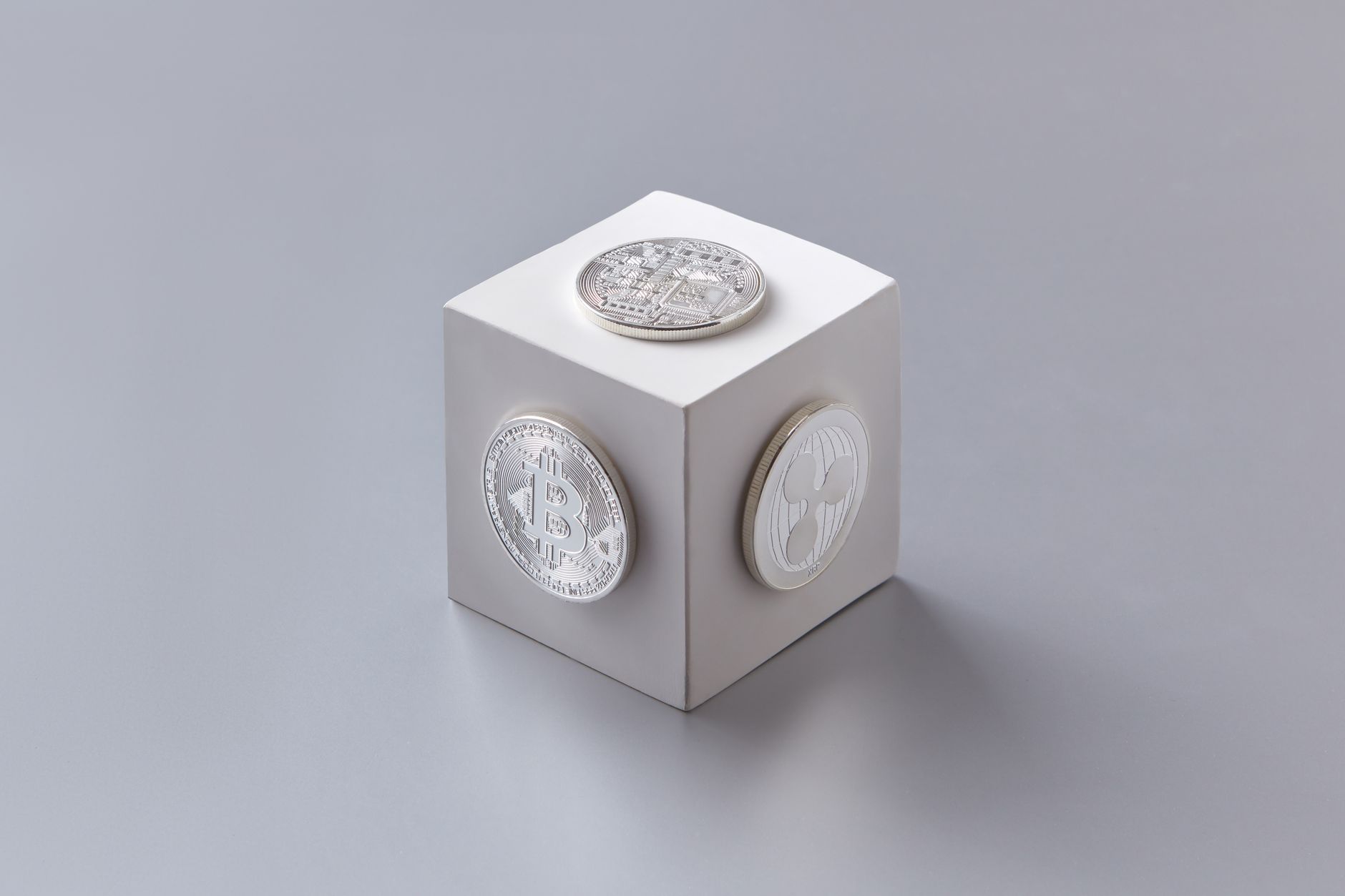
Web3 Wallet Ecosystem Overview
| Category | Decentralized cryptocurrency wallets |
| Primary Function | Web3 DApp interaction and crypto storage |
| Market Leader | MetaMask (30+ million users) |
| Key Features | DeFi access, NFT support, multi-chain compatibility |
| Security Model | Self-custody with private key control |
Why Consider MetaMask Alternatives in 2026
MetaMask dominates the Web3 wallet space, but several compelling reasons drive users toward alternatives. High gas fees on Ethereum, limited multi-chain support, and security concerns push experienced traders to explore better options.
The most significant pain point remains transaction costs. According to CoinDesk, Ethereum gas fees average $15-45 for complex DeFi interactions, making MetaMask expensive for frequent traders.
"Web3 wallet diversity has exploded as users demand better fee structures and enhanced security features. The one-size-fits-all approach no longer serves the sophisticated DeFi ecosystem." - Blockchain Security Research, Cambridge University 2026
Performance issues also plague MetaMask during network congestion. Alternative wallets often provide faster transaction processing and more reliable connections to popular DApps like decentralized exchanges.
Top 12 Web3 Wallet Alternatives to MetaMask
- Phantom Wallet
Built specifically for Solana, Phantom excels in speed and cost-efficiency. With Solana trading at $82.13, users enjoy sub-penny transaction fees averaging $0.003. The wallet supports over 200 Solana-based DApps and offers seamless NFT management.
Best For: Solana ecosystem users and NFT collectors
Supported Networks: Solana, Ethereum, Polygon
- Trust Wallet
Binance's official wallet supports 65+ blockchains, making it the most versatile alternative. Built-in DApp browser, staking capabilities, and fiat on-ramps provide comprehensive functionality. With BNB at $646, Trust Wallet offers competitive BSC transaction fees.
Best For: Multi-chain users and mobile-first traders
Security Features: Biometric locks, encrypted private keys
- Rainbow Wallet
This iOS-focused wallet prioritizes user experience with intuitive design and advanced portfolio tracking. Automatic token discovery and beautiful transaction history make it perfect for newcomers to DeFi.
Best For: iOS users and DeFi beginners
Unique Feature: Automatic gas fee optimization
- Coinbase Wallet
Separate from Coinbase exchange, this self-custody wallet offers institutional-grade security. Direct integration with Coinbase services and user-friendly recovery options appeal to traditional finance users entering Web3.
Best For: Coinbase ecosystem users
Advantage: Easy fiat-to-crypto conversion
- WalletConnect Protocol Wallets
Including Argent, Gnosis Safe, and Alpha Wallet, these solutions prioritize security through smart contract integration. Multi-signature support and social recovery features enhance protection for large holdings.
Best For: Security-conscious users with significant holdings
- Brave Wallet
Integrated directly into Brave browser, this wallet offers privacy-focused Web3 access. Built-in ad blocking and tracker protection provide additional security layers for DApp interactions.
Best For: Privacy advocates and Brave browser users
- Frame Wallet
Desktop-focused solution running as a system-level service. Advanced permission management and hardware wallet integration appeal to power users requiring granular control.
Best For: Desktop users and hardware wallet owners
- Rabby Wallet
Multi-chain wallet with advanced transaction simulation. Real-time security alerts and detailed transaction previews prevent common DeFi mistakes and malicious contract interactions.
Best For: Experienced DeFi users prioritizing security
- Zerion Wallet
Portfolio management meets Web3 functionality. Comprehensive DeFi position tracking, yield farming optimization, and cross-chain asset visualization create a professional trading environment.
Best For: DeFi portfolio managers and yield farmers
- Exodus Web3 Wallet
Extension version of popular desktop wallet. Beautiful interface, built-in exchange functionality, and 24/7 support cater to users wanting polished experiences.
Best For: Design-conscious users and beginners
- Taho Wallet (formerly Tally)
Community-owned wallet focusing on decentralization principles. Open-source development and governance token integration align with Web3 philosophy.
Best For: Decentralization maximalists
- XDEFI Wallet
Cross-chain specialist supporting Bitcoin, Ethereum, and 30+ networks. Native integration with major DEXs and comprehensive NFT support across multiple chains.
Best For: Cross-chain traders and NFT enthusiasts
Security Features Comparison
Security remains paramount when choosing Web3 wallets. According to Statista, cryptocurrency theft reached $1.7 billion in 2025, highlighting the importance of robust wallet security.
| Wallet | Hardware Support | Multi-Sig | Social Recovery | Biometric Lock | Open Source |
|---|---|---|---|---|---|
| Phantom | Ledger, Trezor | No | No | Yes | Partial |
| Trust Wallet | Limited | No | No | Yes | No |
| Rainbow | No | No | No | iOS Only | Yes |
| Gnosis Safe | Full | Yes | Yes | Device Level | Yes |
| Frame | Native | Yes | No | System Level | Yes |
Transaction Fee Analysis
Transaction costs vary dramatically across different wallets and networks. Here's how alternatives compare using real-time market data as of May 28, 2026:
Average Transaction Costs by Network
- Solana (Phantom): $0.003 per transaction
- Polygon (Trust Wallet): $0.01-0.05 per transaction
- BSC (Trust Wallet): $0.10-0.50 per transaction
- Ethereum (All wallets): $15-45 per complex transaction
- Avalanche: $0.50-2.00 per transaction
For frequent traders, network selection matters more than wallet choice. Users conducting 10+ transactions weekly save $400-600 monthly by choosing Solana over Ethereum for compatible DApps.
Step-by-Step Migration Guide from MetaMask
Pre-Migration Checklist
- Document all active DeFi positions
- Record custom token addresses
- Screenshot wallet settings and network configurations
- Ensure recovery phrase backup security
Migration Process
Method 1: Seed Phrase Import (Most Wallets)
- Install your chosen alternative wallet
- Select "Import existing wallet" during setup
- Enter your MetaMask seed phrase
- Re-add custom networks and tokens
- Test with small transaction before full migration
Method 2: Fresh Wallet Setup (Recommended for Security)
- Create new wallet with fresh seed phrase
- Transfer small test amount to verify functionality
- Gradually move assets from MetaMask
- Update DApp connections to new wallet
- Securely store old MetaMask as backup
After testing for 30 days in Singapore's active DeFi scene, fresh wallet setup provides better long-term security despite initial inconvenience. Many advanced users prefer this approach for significant holdings.
How to Choose Your Ideal Web3 Wallet
Consider Your Primary Use Case
Solana DeFi Traders: Phantom offers unmatched speed and cost efficiency. With SOL at $82.13 and sub-penny fees, it's perfect for frequent trading and NFT interactions.
Multi-Chain Users: Trust Wallet's 65+ network support eliminates the need for multiple wallets. Built-in swap functionality across chains saves time and reduces complexity.
Security Maximalists: Gnosis Safe or Frame provide institutional-grade protection with multi-signature capabilities and hardware wallet integration.
Mobile-First Users: Trust Wallet and Coinbase Wallet offer polished mobile experiences with intuitive interfaces and comprehensive customer support.
Evaluation Framework
- Security Assessment
- Hardware wallet compatibility
- Open source code availability
- Security audit history
- Multi-signature support
- Network Support
- Blockchain compatibility
- Custom network addition
- Cross-chain functionality
- Layer 2 integration
- User Experience
- Interface design quality
- Transaction speed
- DApp connectivity
- Portfolio tracking features
- Cost Efficiency
- Network fee optimization
- Gas fee estimation accuracy
- Built-in DEX integration
- Batch transaction support
Smart wallet selection balances these factors based on individual trading patterns. For comprehensive guidance on cryptocurrency management strategies, consider portfolio diversification across multiple wallet types.
Frequently Asked Questions
What makes a Web3 wallet better than MetaMask?
Better wallets typically offer lower transaction fees, support for more blockchain networks, enhanced security features like multi-signature support, or superior user interfaces. Phantom excels on Solana with $0.003 fees, while Trust Wallet supports 65+ networks compared to MetaMask's limited selection.
How do I safely migrate from MetaMask to another wallet?
The safest method involves creating a fresh wallet with new seed phrases, then gradually transferring assets while testing functionality. Alternatively, import your MetaMask seed phrase into the new wallet, though this shares private keys across platforms and reduces security.
Is it safe to use multiple Web3 wallets simultaneously?
Yes, using multiple wallets enhances security through diversification. Many traders use hardware wallets for large holdings, mobile wallets for daily transactions, and specialized wallets for specific networks like Phantom for Solana DeFi.
Why should I avoid importing MetaMask seed phrases into new wallets?
Importing seed phrases across multiple wallets creates security vulnerabilities. If one wallet gets compromised, all wallets using the same seed phrase become at risk. Fresh seed phrases provide better isolation and security.
Which wallet offers the lowest transaction fees?
Phantom on Solana provides the lowest fees at approximately $0.003 per transaction. However, fee comparison depends on your preferred blockchain networks and transaction types. Ethereum-based transactions remain expensive regardless of wallet choice.
What security features should I prioritize in wallet selection?
Prioritize hardware wallet integration, open-source code, regular security audits, and multi-signature capabilities. For large holdings, consider wallets like Gnosis Safe that offer advanced security features and institutional-grade protection.
Explore more DeFi trading strategies and fintech innovations to maximize your Web3 experience. For additional wallet security tips, check our hardware wallet guide and investment security practices.
Compare More Wallets