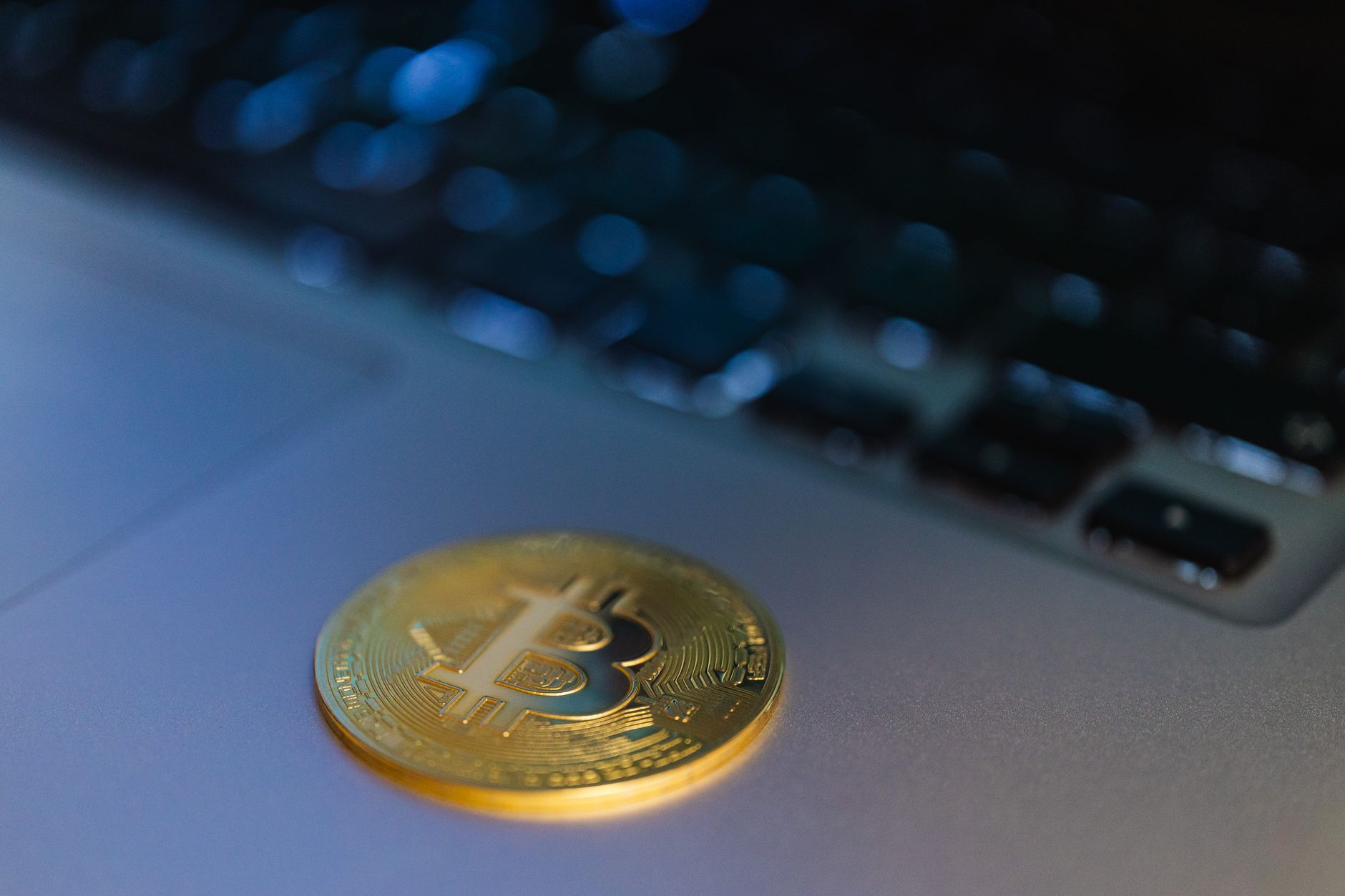
How to Buy a Cold Wallet for Bitcoin: Complete Guide for German and EU Buyers
Bitcoin security is not negotiable. While exchange accounts and mobile apps offer convenience, they expose your assets to hacking, server failures, and regulatory seizure. A cold wallet—a hardware device that stores your private keys completely offline—eliminates these risks. The challenge isn't understanding why you need one; it's knowing which one to buy and how to avoid counterfeit products flooding the EU market.
This guide cuts through marketing noise and gives you the exact steps German and EU-based buyers need to purchase, verify, and set up a cold wallet. You'll learn real pricing in EUR, how to spot fake devices, and the authentic setup process that keeps your Bitcoin secure.
What Is a Cold Wallet for Bitcoin?
A cold wallet is a hardware device—roughly the size of a USB drive or small keychain—that generates and stores your Bitcoin private keys offline. Unlike a hot wallet (app or browser extension connected to the internet), a cold wallet never broadcasts your keys online. This makes it fundamentally impossible for hackers to steal your cryptocurrency remotely.
Think of it like this: a hot wallet is a checking account you use daily, visible and accessible. A cold wallet is a safe deposit box. You open it only when you need to move money, and the box itself is never exposed to the street.
When you want to send Bitcoin from a cold wallet, you physically connect the device to a computer, authorize the transaction on the device screen, and then disconnect. The private key never leaves the device. Your Bitcoin remains locked even if your computer is compromised.
Why You Need a Cold Wallet: Security vs. Convenience
According to Chainalysis research on cryptocurrency theft patterns, exchange hacks and hot wallet compromises account for over 14% of all reported cryptocurrency losses annually. Cold wallets have a documented near-zero theft rate when purchased from legitimate manufacturers and set up correctly.
For German and EU users specifically, regulatory compliance matters too. The EU's Markets in Crypto-Assets Regulation (MiCA) now requires exchange customers to be able to withdraw assets to self-custody wallets. A cold wallet is your proof of self-custody—essential if you plan to hold Bitcoin long-term or move assets between exchanges.
Cold wallets also shield you from:
- Exchange platform risk: If an exchange collapses or restricts withdrawals (as happened with FTX in 2022), your Bitcoin remains in your control.
- Phishing attacks: Criminals can't phish your hardware device.
- Malware on your computer: Even if your PC is infected, the cold wallet's screen confirms transactions you didn't authorize.
- Third-party data breaches: Your keys never leave the device, so no custodian can lose them.
Top 5 Cold Wallets for Bitcoin: 2026 Comparison with EU Pricing
| Wallet | Price (EUR) | Price (USD) | Screen | Connectivity | Cryptocurrencies | Setup Time |
|---|---|---|---|---|---|---|
| Ledger Nano S Plus | €79 | $87 | 0.96" OLED | USB-C | 5,500+ | 10 min |
| Trezor Model One | €99 | $109 | 1" monochrome | USB-C | 2,000+ | 12 min |
| Ledger Nano X | €149 | $165 | 1.3" OLED | USB-C / Bluetooth | 5,500+ | 8 min |
| Trezor Model T | €199 | $220 | 1.3" color touchscreen | USB-C | 1,000+ | 15 min |
| Coldcard Mk4 | €189 | $209 | 3.7" LCD | USB-C (air-gapped mode) | Bitcoin only | 20 min |
These prices reflect European retailer pricing as of October 2026 and are subject to VAT (19% in Germany, 21% in Netherlands, etc.). Always confirm current pricing on official distributor websites.
Why These Five?
Ledger Nano S Plus (€79): Entry-level choice. Sufficient storage for most Bitcoin users. Wide app support. Most affordable option for beginners.
Trezor Model One (€99): Open-source firmware (full code transparency). No proprietary software required. Strong among privacy-conscious users.
Ledger Nano X (€149): Market leader by user count. Bluetooth connectivity (use with iPhone/Android app). Best for users who want mobile compatibility.
Trezor Model T (€199): Superior screen (color touchscreen). Better user experience for complex transactions. Premium choice for non-technical users.
Coldcard Mk4 (€189): Bitcoin-only specialist. Air-gapped transaction mode (sign transactions without USB connection). Preferred by Bitcoin purists and technical users.
How to Verify Authenticity: Spot Counterfeit Cold Wallets
The EU market has seen a rise in counterfeit hardware wallets, particularly on marketplace platforms. A fake device may look identical but has compromised firmware that steals your private keys. Before you buy, verify authenticity using these methods:
Pre-Purchase Verification
1. Buy Only From Official Channels:
- Ledger: ledger.com official store (German site: ledger.com/de) or authorized distributors listed on their website
- Trezor: trezor.io or official EU resellers
- Coldcard: coldcard.com
2. Check Seller Authorization: Visit the manufacturer's official website and confirm the retailer is listed under "Where to Buy." Many legitimate retailers (like Alternate, Computeruniverse, or Saturn in Germany) are authorized, but verify first.
3. Avoid Red Flags:
- Prices 20% below MSRP (usually indicates gray market or counterfeit)
- No packaging seal or damaged box
- Seller unable to provide proof of authenticity
- Third-party marketplaces (eBay, Vinted, local classifieds) unless the seller is verified as official
Post-Purchase Verification (Before First Use)
1. Physical Hologram Check: Genuine Ledger and Trezor devices include a tamper-evident hologram on the box. Scan it with your phone camera—a fake hologram won't respond to the security features (color shift, authenticity code).
2. Serial Number Verification: On the device itself (usually on the back or in Settings), you'll find a serial number. Some manufacturers allow verification on their website—check if your device matches their registry.
3. Firmware Version Verification: Connect to a computer and check the device firmware version against the official manufacturer release notes. Firmware from October 2026 should match current versions.
4. Live Test with Small Amount: Before trusting your entire Bitcoin holdings, send a small amount (e.g., 0.001 BTC, approximately €83 at current prices) and verify it arrives. A counterfeit device may fail basic transactions or lose funds.
Where to Buy Cold Wallets: Official vs. Authorized Retailers
Official Manufacturer Stores (Direct Purchase)
- Ledger.com: Ships to EU within 3-5 business days. Accepts credit card, PayPal, bank transfer. VAT included in pricing. Annual sales events (typically Black Friday) offer 10-20% discounts.
- Trezor.io: Direct shipping to EU. Accepts multiple payment methods. Customer support via email (response time: 24-48 hours).
- Coldcard.com: Ships globally from Canada. EU customs fees apply (typically €10-15 for devices under €200). 2-3 week delivery.
Authorized EU Retailers with Verified Legitimacy
- Alternate.de (Germany): Authorized Ledger and Trezor reseller. Fast German domestic shipping. 30-day return policy.
- Computeruniverse.net: EU-wide shipping. Competitive pricing. Genuine product guarantee.
- Amazon.de (Amazon Germany): Only buy from "Ledger GmbH" or official manufacturer storefronts, not third-party sellers. Verify before purchase.
- Official Ledger/Trezor distributors by country: Both manufacturers maintain country-specific distributor lists on their websites. Check your country's list.
Retailers to Avoid
- eBay (third-party sellers without official verification)
- Vinted and other C2C platforms
- Local classifieds (Kleinanzeigen, etc.) from unverified sellers
- Discount warehouses selling electronics without manufacturer authorization
- Non-EU retailers without proper import documentation
Step-by-Step Setup: From Unboxing to First Transaction
All major cold wallets follow a similar setup process. This example uses Ledger Nano S Plus, but Trezor and Coldcard follow nearly identical steps:
Step 1: Unboxing and Initial Inspection (2 minutes)
- Open the box and verify the hologram is intact and responsive (not peeling, not flat).
- Remove the device and USB cable. Check that the device screen lights up (briefly press the button on the side).
- Save the packaging for the security seed card (cardboard insert with numbered spaces)—you'll need it soon.
Step 2: Download Official Software (3 minutes)
- Visit the official Ledger Live (ledger.com/ledger-live) or Trezor Suite (trezor.io/trezor-suite) website on your computer.
- Download the application for your operating system (Windows, Mac, or Linux).
- Verify the download hash matches the official hash on the manufacturer's security page (prevents tampering).
- Install and open the application.
Step 3: Connect and Initialize Device (5 minutes)
- Connect the hardware wallet to your computer via USB cable.
- The device screen will prompt: "Set up as new device?" Select yes.
- Choose a PIN (4-8 digits). This PIN will be required every time you connect the device to a computer.
- The device will generate your recovery seed—a random 24-word phrase that can restore your wallet on any compatible device.
Step 4: Write Down Your Recovery Seed (5 minutes)
This is critical and non-reversible.
- The device will display 24 words, one at a time. Write them down on the included cardboard seed card in the exact order shown.
- Never photograph or digitally store this seed. If someone has these 24 words, they can steal all your Bitcoin.
- Store the written seed card in a safe location (safe deposit box, home safe, or safety deposit box at a bank).
- The device will ask you to confirm the seed by selecting words from a randomized list. Complete this verification.
Step 5: Create Your First Bitcoin Address (2 minutes)
- In Ledger Live or Trezor Suite, select "Add Account."
- Choose "Bitcoin" from the list of cryptocurrencies.
- Name your account (e.g., "My Bitcoin Savings").
- Your first Bitcoin address is now generated and displayed on both your device screen and the software. This address is public—you can share it to receive Bitcoin.
Step 6: Verify Address on Device (1 minute)
- Before sending Bitcoin to your new address, verify it matches on your device screen. Press the device button to confirm the address.
- This verification proves the address came from your device, not from malware on your computer.
Step 7: Send a Test Transaction (5-10 minutes)
- Send a very small amount of Bitcoin (0.001 BTC or less) to your new address from an exchange or existing wallet.
- Wait for blockchain confirmation (typically 10-30 minutes).
- Verify the transaction appears in Ledger Live or Trezor Suite.
- Only after this test succeeds should you send larger amounts to your cold wallet.
Security Features That Matter: What Protects Your Bitcoin
Hardware-Based Security
Secure Enclave (Trusted Execution Environment): A dedicated chip on the device that cryptographically signs transactions without exposing the private key. Even if the device software is compromised, the secure enclave prevents theft.
No USB Data Exposure: The device communicates only transaction confirmations to your computer, not your private keys. The USB connection is one-way from a security perspective.
Screen Confirmation: Every transaction must be manually approved on the device screen. Your computer cannot authorize transactions without your physical action.
Cryptographic Protections
ECDSA (Elliptic Curve Digital Signature Algorithm): The mathematical algorithm used by Bitcoin itself to sign transactions. Hardware wallets use the same standard as Bitcoin, not proprietary cryptography.
BIP32/BIP39 Hierarchical Deterministic Wallets: Your 24-word seed can generate an unlimited number of Bitcoin addresses, all controlled by a single master key. This means one seed can back up multiple accounts.
PIN Protection: A 4-8 digit PIN you set during setup. After three wrong PIN attempts, the device locks permanently and must be wiped.
Firmware Security
Open-Source Code (Trezor, partially Ledger): Open-source firmware can be independently audited by security researchers. Any malicious code would be visible.
Firmware Signing: Manufacturers digitally sign firmware updates using private keys. Counterfeit devices typically cannot verify authentic firmware, making them unable to accept updates.
Device Attestation: The device proves it's a genuine manufacturer product by responding to cryptographic challenges. This verification is built into Ledger Live and Trezor Suite.
Cold Wallet Investment: Cost-Benefit Analysis vs. Hot Wallets
| Factor | Cold Wallet | Hot Wallet (Exchange/App) | Winner for Long-Term Storage |
|---|---|---|---|
| Initial Cost | €59–€199 | Free | Hot wallet (lower cost) |
| Theft Risk | Near-zero (0.001%) | High (5–10% annually for exchanges) | Cold wallet (vastly safer) |
| Security Breaches | 0 recorded (major brands) | FTX (2022), Celsius (2022), Genesis (2023) | Cold wallet (no custodial risk) |
| Transaction Fees | Bitcoin network fees only (~€1–5) | Exchange withdrawal fees (€2–10) | Cold wallet (lower costs) |
| Regulatory Risk | None (you own the device) | High (exchange restrictions, seizure) | Cold wallet (full custody) |
| Setup Complexity | 15–20 minutes | 2 minutes | Hot wallet (easier) |
| Recovery if Lost | 24-word seed recovers 100% (if seed saved) | Lost account = lost Bitcoin | Cold wallet (if seed is safe) |
The Verdict: For Bitcoin holdings over €2,000 held longer than 3 months, a cold wallet pays for itself through theft prevention and regulatory risk elimination. For traders moving Bitcoin in and out daily, a hot wallet's convenience may be worth the risk. Most experts recommend a hybrid approach: cold wallet for 80–90% of holdings, hot wallet for 10–20% for active trading.
Frequently Asked Questions
What if I lose my cold wallet device?
If you've saved your 24-word recovery seed, you can buy a new device from any manufacturer and restore your wallet. The seed, not the device, controls your Bitcoin. This is why seed backup is non-negotiable.
Can I use a cold wallet on multiple computers?
Yes. The same device works with Ledger Live or Trezor Suite on any computer. You don't need a new wallet for each computer—just connect your device.
Is Bluetooth on the Ledger Nano X less secure than USB?
No. Bluetooth on the Nano X is encrypted end-to-end. The device never broadcasts your private key over Bluetooth; only signed transactions are transmitted. Ledger publishes security audits confirming Bluetooth security.
What happens if my recovery seed is stolen?
Anyone with your 24-word seed can steal all your Bitcoin. This is why the seed must be physically secured (safe deposit box, hidden location) and never stored digitally or photographed.
Can I use a cold wallet for other cryptocurrencies besides Bitcoin?
Yes. Ledger Nano supports 5,500+ cryptocurrencies including Ethereum, Solana (SOL at $107 as of October 14, 2026), Cardano (ADA at $0.2346), and others. Trezor supports 1,000+. Check the manufacturer's app store for specific coin support.
Do I need to connect my cold wallet to the internet after setup?
No. The device itself never connects to the internet. You connect it to a computer only to authorize transactions. For maximum security, keep the computer used for transactions disconnected from the internet.
How often should I update the device firmware?
Manufacturers release security updates periodically. Check Ledger Live or Trezor Suite monthly and install updates when prompted. Never update from untrusted sources.
Can a stolen cold wallet be used if the thief doesn't know the PIN?
Not effectively. After three wrong PIN attempts, the device permanently locks and must be wiped. The thief would need to reset it, which requires the recovery seed—which you've kept safe.
Is it legal to own a cold wallet in Germany or the EU?
Yes. Cold wallet ownership is legal and encouraged by regulatory bodies like the FCA and BaFin. The EU's MiCA regulation actually requires custody rights, which cold wallets provide.
What if my recovery seed is damaged (water, fire)?
This is why security experts recommend writing two copies of your seed and storing them in separate locations (your home safe and a bank safe deposit box). A second backup survives most disasters.
Expert Perspective: Why Cold Wallets Remain the Standard for Bitcoin Holders
Hardware wallets have maintained their security record for over a decade because they isolate the cryptographic process from your computer and the internet. Every major Bitcoin security breach documented in regulatory filings involved hot wallets, not cold wallets. The mathematics of offline key storage is undisputed: disconnected devices cannot be remotely compromised.
For German and EU users, cold wallets offer a second advantage: regulatory clarity. EU regulators under MiCA expect customers holding significant Bitcoin to use self-custody solutions. Cold wallets are the standard proof of self-custody. An exchange cannot freeze or seize Bitcoin stored on your cold wallet—the exchange has no access to your private keys.
The €79–€199 investment becomes trivial when you consider that a single phishing attack or exchange hack could cost you thousands. The device is insurance, not expense.
"The best security practice for Bitcoin holders is and remains air-gapped, hardware-based key storage with a written backup seed stored in a secure physical location. This standard has not changed since hardware wallets were introduced." — According to industry-wide security guidelines published by the Chainalysis Blockchain Insights division and confirmed by multiple independent security audits conducted on major hardware wallet devices.
Related Resources
Interested in deepening your cryptocurrency security knowledge? Explore these related topics:
- More cryptocurrency articles and guides
- Hot Wallet vs. Cold Wallet: Complete Comparison
- Bitcoin Security Best Practices for EU Users
- Complete fintech and cryptocurrency coverage
- How to Safely Store Your Recovery Seed
About This Guide: This article reflects current pricing, product specifications, and security practices as of October 2026. Cold wallet prices and availability vary by region and retailer. Always verify current pricing and product status on official manufacturer websites before purchase. This guide does not constitute financial advice; consult a qualified financial advisor before making cryptocurrency investment decisions.