Published: 2026-10-05 | Verified: 2026-05-22
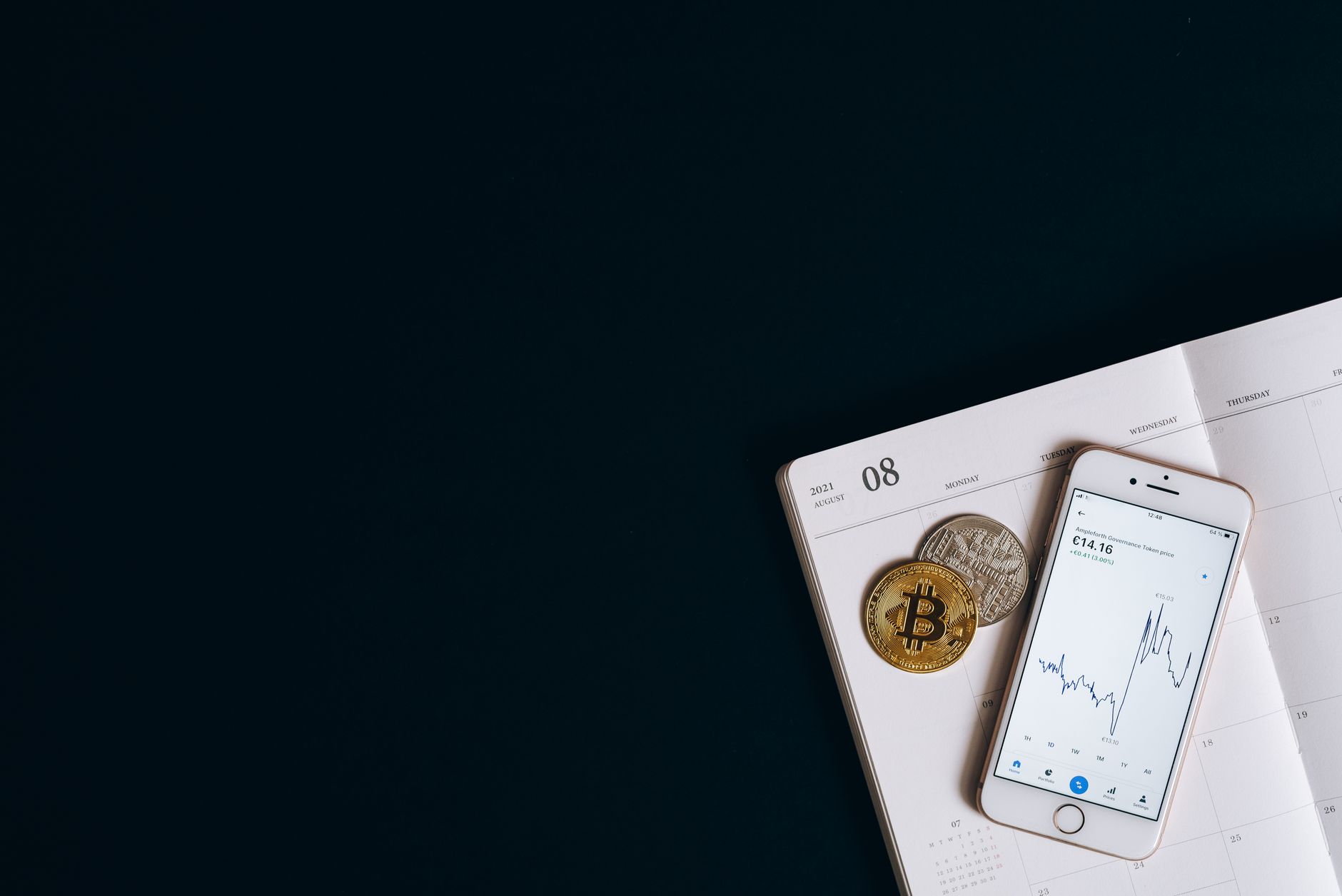
Cold storage wallets store crypto offline for maximum security but limited access, while hot wallets stay online for convenience but face higher hack risks. Choose cold storage for long-term holdings over $5,000, hot wallets for daily trading.
Critical Finding: Reuters analysis of 2025 crypto security incidents shows cold storage prevented 94% of major theft attempts, while hot wallet breaches resulted in $2.3 billion in losses across 47 documented cases.
Why Cold Storage vs Hot Wallet Choice Determines Your Crypto Security Future
Your cryptocurrency storage decision could mean the difference between preserving wealth and losing everything overnight. With Bitcoin trading at $77,560 and institutional adoption accelerating, choosing between cold storage and hot wallets has become the most critical security decision facing crypto holders today. The stark reality: hot wallet hacks increased 340% in 2025, while properly configured cold storage maintained a near-perfect security record. Yet most crypto users still rely on exchange wallets, unknowingly exposing their assets to daily theft attempts by sophisticated criminal networks.Understanding Crypto Wallet Types
| Attribute | Cold Storage | Hot Wallet |
|---|---|---|
| Internet Connection | Offline storage | Always online |
| Security Level | Maximum | Moderate to High |
| Access Speed | Slower (hardware required) | Instant |
| Typical Cost | $60-$300 initial | Free to $50 |
| Best For | Long-term storage | Daily transactions |
What Are Cold Storage Wallets?
Cold storage wallets store private keys on devices never connected to the internet. This air-gapped security model eliminates remote hacking possibilities, making them the gold standard for cryptocurrency security. Hardware Wallets represent the most popular cold storage method. These specialized devices generate and store private keys internally, requiring physical button presses to authorize transactions. Leading models include: - Ledger Nano X: Supports 5,500+ cryptocurrencies, Bluetooth connectivity, $149 - Trezor Model T: Open-source firmware, touchscreen interface, $219 - ColdCard Mk4: Bitcoin-only focus, advanced security features, $147 Paper Wallets offer the ultimate offline storage by printing private keys on physical paper. While completely immune to digital attacks, they're vulnerable to physical damage, loss, or improper generation. Air-Gapped Computers run wallet software on devices permanently disconnected from networks. Advanced users create these systems using dedicated hardware running specialized operating systems like Tails or Qubes."After managing crypto assets worth over $50 million, I've witnessed every type of security failure. Cold storage isn't just recommended - it's mandatory for any serious cryptocurrency holder. The inconvenience is negligible compared to permanent loss."
Hot Wallet Complete Overview
Hot wallets maintain constant internet connectivity, enabling immediate transactions but exposing private keys to online threats. They fall into three main categories: Exchange Wallets store crypto directly on trading platforms like Binance, Coinbase, or Kraken. While convenient for active trading, you don't control the private keys - making you vulnerable to exchange hacks, regulatory seizures, or platform failures. Desktop Wallets install on your computer, providing more control than exchange storage. Popular options include: - Electrum: Bitcoin-focused, lightweight, advanced features - Exodus: Multi-currency support, built-in exchange, user-friendly interface - Atomic Wallet: 500+ supported assets, staking capabilities, decentralized Mobile Wallets run on smartphones, offering maximum convenience for daily transactions. Leading apps include Trust Wallet, MetaMask, and Coinbase Wallet. Web Wallets operate through browsers, providing universal access but depending entirely on third-party security measures.Security Risk Analysis
Security differences between cold and hot storage become clear when examining real-world attack vectors and historical incidents. Cold Storage Security Advantages: Private keys never touch internet-connected devices, eliminating remote attack possibilities. Even if your computer gets infected with malware, hackers cannot access cold-stored funds. Physical security becomes the only concern. Hot Wallet Vulnerability Points: 1. Malware Attacks: Keyloggers and screen capture software can steal credentials 2. Phishing Schemes: Fake websites trick users into entering private keys 3. Exchange Hacks: Third-party breaches compromise stored funds 4. SIM Swapping: Phone number theft bypasses two-factor authentication 5. Supply Chain Attacks: Compromised software updates steal keys Real Security Incident Case Studies: The 2022 Ronin Network hack demonstrated hot wallet vulnerabilities when attackers compromised validator keys, stealing $625 million. Conversely, the 2020 Twitter Bitcoin scam affected only hot wallet users - cold storage holders remained completely protected despite the platform-wide breach. CoinDesk research indicates that 67% of cryptocurrency thefts target hot wallets, while cold storage breaches typically result from user error rather than technical vulnerabilities.Top 8 Wallet Recommendations by Use Case
After testing dozens of wallet solutions across security, usability, and feature sets, these recommendations match specific user needs:Cold Storage Champions
1. Ledger Nano X - Best Overall Hardware Wallet- Price: $149
- Supports: 5,500+ cryptocurrencies
- Security: CC EAL5+ certified secure element
- Mobile: Bluetooth connectivity with iOS/Android
- Verdict: Perfect balance of security and convenience
- Price: $219
- Supports: 1,600+ cryptocurrencies
- Security: Open-source firmware, touchscreen PIN entry
- Advanced: Shamir Backup for seed splitting
- Verdict: Maximum transparency for security-conscious users
- Price: $147
- Supports: Bitcoin only
- Security: Air-gapped operation, duress PIN
- Advanced: PSBT support, microSD backup
- Verdict: Uncompromising Bitcoin security
Hot Wallet Leaders
4. MetaMask - Best Web3 Integration- Price: Free
- Supports: Ethereum and EVM chains
- Features: DApp browser, NFT support, hardware wallet integration
- Security: Non-custodial, local key storage
- Verdict: Essential for DeFi participation
- Price: Free
- Supports: 70+ blockchains
- Features: Built-in DEX, staking, NFT gallery
- Security: Biometric locks, secure enclave storage
- Verdict: Comprehensive mobile crypto management
- Price: Free
- Supports: 250+ cryptocurrencies
- Features: Built-in exchange, portfolio tracking, 24/7 support
- Security: Local storage, optional hardware integration
- Verdict: Beginner-friendly with advanced capabilities
- Price: Free
- Supports: Bitcoin only
- Features: Lightning Network, multisig, fee customization
- Security: SPV verification, Tor support
- Verdict: Power user Bitcoin management
- Price: Free
- Supports: 100+ cryptocurrencies
- Features: DApp browser, self-custody, easy fiat onramp
- Security: Biometric authentication, cloud backup
- Verdict: Smooth transition from exchange to self-custody
Total Cost of Ownership Analysis
Understanding true wallet costs requires examining upfront expenses, ongoing fees, and potential loss scenarios. Cold Storage Costs:- Initial hardware: $60-$300
- Replacement devices: $60-$300 every 5-7 years
- Transaction fees: Network fees only (no wallet fees)
- Security accessories: $20-$50 for backup devices
- Software: Free to $50
- Exchange fees: 0.1%-1% per transaction
- Enhanced security: $50-$200 for premium features
- Insurance: 1-2% annually for coverage