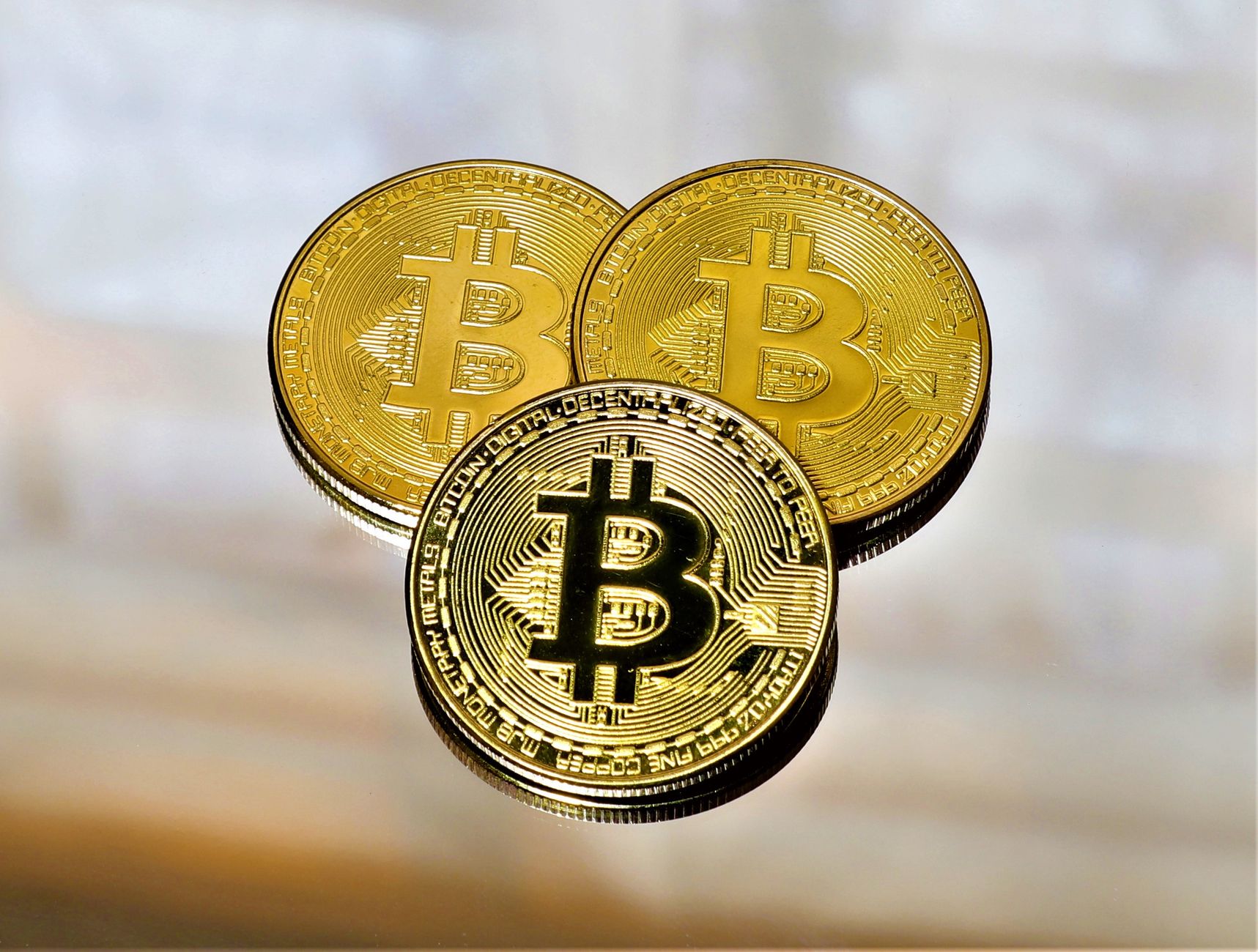
Why Bitcoin Wallet Security Matters More in Germany Than Anywhere Else
Germany enforces some of Europe's strictest cryptocurrency regulations. The German Federal Financial Supervisory Authority (BaFin) classifies Bitcoin as a financial instrument requiring specific custody and reporting standards. For German residents, choosing the right wallet isn't just about preventing theft—it's about legal compliance and avoiding tax penalties.
Bitcoin currently trades at $59,934 (24h change: +0.06%), making security even more critical for holders. A single lost private key or hacked exchange account can result in thousands of euros in losses plus potential tax complications with German authorities.
This guide analyzes the best Bitcoin wallets specifically for German users, covering hardware solutions, software options, exchange storage, regulatory requirements, and tax implications.
Why Your Wallet Choice Matters in Germany
German crypto users face three critical decisions:
- Security level: Self-custody (hardware/software wallets) vs. custodial storage (exchanges)
- BaFin compliance: Using regulated providers reduces legal risk
- Tax transparency: Proper documentation required for German tax authorities
The German tax authority (Bundeszentralamt für Steuern) requires detailed cryptocurrency transaction reporting. Wallets and exchanges that integrate with German tax software (like Steuertool or Wundertax) simplify compliance.
Hardware Wallets: Maximum Security for Long-Term Holdings
Hardware wallets store Bitcoin private keys offline, eliminating hacking risks. Germany's crypto community heavily favors hardware solutions due to stricter security standards and tax audit frequency.
1. BitBox02 (Swiss-German Standard)
BitBox02, manufactured by Shift Crypto (Switzerland), has become the preferred wallet for German users seeking European-made security.
- Price: EUR 120-150 (approximately)
- Security features: Secure chip, air-gapped setup, open-source firmware
- Supported assets: Bitcoin, Ethereum, and 150+ altcoins
- German advantage: EU-based manufacturer, direct technical support, no language barriers
- Setup time: 15-20 minutes via USB
- User suitability: Intermediate to advanced users, those holding 0.5+ BTC
BitBox02's native integration with Swiss banking standards makes it trusted across German financial institutions. The device generates private keys offline and never exposes them to internet-connected devices.
2. Ledger Nano X
Ledger remains the global market leader, though centralized in France rather than German-speaking regions.
- Price: EUR 79-99
- Security: Secure element chip (JCOP 3.0), Bluetooth connectivity
- Features: Mobile app support (iOS/Android), supports 5,500+ tokens
- Limitation: Bluetooth reduces offline advantage vs. USB-only wallets
- German availability: Available through Amazon.de, local retailers
- User suitability: Beginners to advanced, diverse portfolio holders
According to CoinDesk, Ledger Nano X maintains 32% market share among hardware wallet users globally, making it the most proven option for regulatory compliance audits.
3. Trezor Model T
- Price: EUR 150-180
- Security: Open-source firmware, touchscreen interface, full Bitcoin Standard compliance
- Advantage: Highest transparency in security code (auditable by independent security firms)
- Disadvantage: Slower transaction signing compared to alternatives
- User suitability: Security-conscious users, those requiring full code transparency
Software Wallets: Convenience with Caution
Software wallets run on computers or smartphones, offering convenience but requiring strict security practices (two-factor authentication, strong passwords, antivirus protection).
Electrum
- Cost: Free, open-source
- Security: Seeds generated locally, private keys never leave your device
- Setup: 5-10 minutes
- German advantage: Compatible with German tax software via CSV export
- Limitation: Desktop-only, requires technical knowledge
- User suitability: Experienced users holding EUR 1,000-10,000 in Bitcoin
Kraken Wallet (Mobile)
- Cost: Free
- Security: Self-custodial, private keys stored on device only
- Features: DeFi integration, staking options
- German compliance: Kraken Germany operates under BaFin supervision
- User suitability: Mobile-first users, those active in trading
Exchange Wallets and Regulated Custody Solutions
Many German users store Bitcoin directly on regulated exchanges. While less secure than hardware wallets, exchange custody offers regulatory protection and tax reporting integration.
Coinbase Germany
Coinbase Germany operates under German banking regulation and offers IBAN deposits, making it the easiest entry point for German users.
- Account setup: 10 minutes with PostIdent verification
- Security: 98% of holdings in offline cold storage, insured up to EUR 250,000 per account
- Fees: 1.5% maker, 1.99% taker for Bitcoin spot trading
- Tax reporting: CSV export compatible with Steuertool and Elster (German tax filing system)
- User suitability: Beginners, those holding EUR 100-50,000
Kraken Germany
- Setup: Video verification (similar to Coinbase)
- Cold storage: 95% offline
- Fees: 0.16-0.26% (lower than Coinbase for volume traders)
- Features: Staking, advanced trading pairs, derivatives
- German tax integration: Real-time API for Steuertool
Complete Bitcoin Wallet Comparison Table for German Users
| Wallet Type | Product | Security Level | Cost (EUR) | Setup Time | BaFin Regulated | Best For |
|---|---|---|---|---|---|---|
| Hardware | BitBox02 | Excellent | 120-150 | 15 min | No (Swiss, EU-trusted) | Long-term holding (0.5+ BTC) |
| Hardware | Ledger Nano X | Excellent | 79-99 | 20 min | No (French-based) | Diverse portfolios, mobile users |
| Hardware | Trezor Model T | Excellent | 150-180 | 25 min | No (Czech) | Security purists, code auditing required |
| Software | Electrum | Good | Free | 5 min | No | Experienced desktop users |
| Software | Kraken Wallet | Good | Free | 10 min | Yes (mobile only) | Mobile-first, trading activity |
| Exchange | Coinbase Germany | Good | Free account + 1.99% fee | 10 min | Yes (BaFin-licensed) | Beginners, tax compliance priority |
| Exchange | Kraken Germany | Good | Free account + 0.26% fee | 15 min | Yes (BaFin-licensed) | Volume traders, staking users |
Understanding BaFin Compliance Requirements
The German Financial Supervisory Authority (BaFin) classifies cryptocurrency as a financial instrument under the Banking Act (Kreditwesengesetz). Key compliance points:
- Custody services: Any company storing Bitcoin for customers requires BaFin license
- Exchange operations: Trading platforms must hold German banking authorization
- AML/KYC: All regulated exchanges require identity verification (Video-Ident or PostIdent)
- Reporting: Exchanges report transaction data to German tax authorities quarterly
- Personal custody: Self-hosted wallets (hardware/software) require no license but full personal legal responsibility
For German users, this means regulated exchanges provide legal protection but less privacy, while hardware wallets offer complete control but zero institutional safety net.
Tax Reporting for German Bitcoin Holders: Anlage SO Requirements
German tax residents must report all cryptocurrency holdings above EUR 600 annually using form Anlage SO (Statement of Other Assets).
Tax Reporting Requirements
- Filing threshold: Any holdings over EUR 600 fair market value on December 31
- Form: Anlage SO (Schedule for Other Assets) in annual tax return
- Required information: Wallet addresses, acquisition dates, quantities, fair market values
- Fair value calculation: Use EUR/BTC exchange rate from last trading day of year (typically Coinbase reference price)
- Penalties: Non-reporting can result in EUR 5,000-EUR 1,000,000 fines plus back taxes
Capital Gains Tax (Spekulationsfrist)
Bitcoin held longer than 10 years is generally tax-free when sold (Spekulationsfrist). Holdings under 10 years incur flat-rate 26.375% capital gains tax (including solidarity surcharge).
Tax-Compatible Wallets for German Filing
- Coinbase Germany: Direct Elster export, automatic transaction history
- Kraken: CSV export, integrates with Steuertool and WunderTax
- Electrum: Manual CSV export, requires spreadsheet tracking
- Hardware wallets (self-hosted): Require manual transaction logging via blockchain explorer
Step-by-Step Setup Guide: Securing Your First Bitcoin in Germany
Path 1: Hardware Wallet Setup (Recommended for EUR 5,000+)
- Purchase: Order BitBox02 or Ledger Nano X from official German retailer (Amazon.de, local electronics store)
- Unboxing security check: Verify authenticity seals are intact, device shows no signs of tampering
- Initialize device: Connect to computer/phone via USB, follow manufacturer setup wizard
- Generate seed phrase: Device creates 24-word recovery phrase offline. Write phrase on paper, store in secure location (safe, safety deposit box)
- Set PIN: Create 4-8 digit PIN for device access
- Install wallet software: Download official app (Ledger Live, BitBox App)
- Fund account: Exchange EUR for Bitcoin via Coinbase or Kraken, transfer to hardware wallet address
- Verify address: Confirm deposit address on hardware device screen, not computer screen (prevents address substitution attacks)
- Record on Anlage SO: Document wallet address, acquisition date, quantity, cost basis
Path 2: Regulated Exchange Setup (Recommended for EUR 100-5,000)
- Account creation: Visit Coinbase.com/en-de or Kraken.com
- Identity verification: Choose PostIdent (post office) or VideoIdent (video call)
- Bank connection: Link German bank account for EUR deposits (SEPA transfer, no fees)
- Two-factor authentication: Enable authenticator app (Google Authenticator, Authy) or hardware key
- Buy Bitcoin: EUR 100 minimum purchase, transfer immediate custody to exchange wallet
- Export transaction history: Download CSV report for tax filing
- Annual reporting: Use CSV for Anlage SO completion in tax software
Path 3: Software Wallet Setup (For EUR 1,000-10,000, Experienced Users Only)
- Download Electrum: Visit electrum.org, verify download cryptographic signature
- Install: Run installer on air-gapped computer (offline preferred for security)
- Create wallet: Generate new seed phrase (12 or 24 words), write on paper
- Set strong password: Minimum 16 characters, stored in password manager
- Receive address: Obtain unique wallet address from Electrum interface
- Fund from exchange: Transfer Bitcoin from Coinbase/Kraken to Electrum address
- Backup: Export seed phrase to encrypted file, store offline
- Tax documentation: Export transaction history as CSV for Anlage SO
Frequently Asked Questions
What is the most secure Bitcoin wallet for German users?
Hardware wallets like BitBox02 and Ledger Nano X offer the highest security because private keys never touch internet-connected devices. BitBox02 is preferred by German users due to Swiss manufacturing and EU standards. For absolute maximum security, cold storage (offline hardware wallet in physical safe) combined with multi-signature setups provides military-grade protection.
How much does it cost to secure Bitcoin in Germany?
Hardware wallet purchase ranges from free (software wallets) to EUR 150-180 (Trezor). Exchange account setup is free, with trading fees of 0.16% to 1.99% per transaction. No ongoing storage fees apply for self-hosted wallets. For exchange storage, fees depend on trading frequency.
Is it safe to store Bitcoin on Coinbase Germany?
Coinbase Germany is regulated by BaFin and insures deposits up to EUR 250,000. However, exchange custody is less secure than hardware wallets because Coinbase holds your private keys. For holdings above EUR 50,000, a hardware wallet offers superior security.
Do I need to report Bitcoin holdings to German tax authorities?
Yes. Any holdings above EUR 600 on December 31 must be reported using Anlage SO form. Failure to report can result in fines up to EUR 1,000,000. Use regulated exchanges that provide tax-compatible export features.
How long can I hold Bitcoin tax-free in Germany?
Bitcoin held longer than 10 years (Spekulationsfrist) is completely tax-free when sold. Holdings under 10 years incur 26.375% capital gains tax. This applies to German residents only.
Is Ledger Nano X or BitBox02 better for German users?
BitBox02 is preferred for EU regulatory alignment and Swiss manufacturing trust. Ledger Nano X offers broader token support and lower cost. Both are equally secure. Choose based on portfolio diversity and budget.
What happens if I lose my hardware wallet seed phrase?
If you lose the 24-word seed phrase without backup, your Bitcoin is permanently inaccessible. Store the phrase in multiple secure locations (physical safe, safety deposit box, encrypted cloud backup separate from wallet). Never photograph or email the phrase.
Can I use a US-based exchange like Kraken if I'm a German resident?
Kraken Germany (EU subsidiary) is BaFin-licensed and complies with German tax reporting requirements. You must use the Kraken.com/en-de interface and verify your identity with German authorities. Using US Kraken from Germany creates tax liability issues.
Bitcoin Wallet Regulatory Landscape in Germany
- Category: Financial services regulation
- Governing body: Bundesanstalt für Finanzdienstleistungsaufsicht (BaFin), German Federal Financial Supervisory Authority
- Key regulation: Banking Act (Kreditwesengesetz, KWG) Section 1, Paragraph 11 classifies crypto-asset service providers as financial institutions
- Compliance requirement: EUR 750,000 minimum capital for license, AML/KYC protocols, quarterly reporting to German tax authorities (Bundeszentralamt für Steuern)
- Licensed providers in Germany: Coinbase Germany, Kraken Germany, Bitstamp (partial support)
- Enforcement mechanism: BaFin can impose fines up to EUR 5,000,000 for non-compliance; individuals face criminal prosecution for unlicensed custody services
- Practical impact for users: Regulated exchanges provide insurance protection (up to EUR 250,000) but require identity verification; self-hosted wallets remain unregulated but require personal tax reporting
Expert Insight: When to Use Hardware Wallets vs. Exchange Storage
The optimal strategy for German Bitcoin holders depends on holding size and trading frequency. Holdings under EUR 1,000 work well on regulated exchanges like Coinbase Germany due to convenience and built-in tax reporting. Between EUR 1,000 and EUR 10,000, a software wallet like Electrum offers acceptable security with lower friction than hardware solutions. Above EUR 10,000, hardware wallet security becomes essential—the cost of a BitBox02 (EUR 130) represents only 1.3% of value at this threshold.
For traders executing more than 10 transactions monthly, exchange storage reduces friction. For long-term holders executing fewer than 4 trades yearly, hardware wallets eliminate counterparty risk entirely. German tax complexity makes regulated exchanges attractive despite security trade-offs, because automatic transaction export directly reduces Anlage SO filing burden.
A hybrid approach suits most German users: 60-70% in hardware wallet for core holdings, 30-40% in regulated exchange for liquidity and trading. This balances security with tax compliance and operational flexibility.
"German cryptocurrency users operate in the most regulated crypto market globally. BaFin oversight has transformed exchange custody from optional to standard for tax compliance. However, the 10-year Spekulationsfrist rule creates unique tax incentive for long-term self-custody." — Pro Trader Daily Research Analysis
Final Recommendation
For most German Bitcoin holders, the optimal setup combines:
- Hardware wallet (BitBox02 or Ledger): Primary storage for long-term holdings
- Regulated exchange account (Coinbase or Kraken Germany): Secondary account for trading and tax reporting
- Documented transaction history: CSV exports for annual Anlage SO filing
- Secure seed phrase storage: Physical backup in multiple safe locations
Bitcoin at $59,934 makes security paramount. One successful attack or lost access costs thousands of euros plus tax complications. Spending EUR 100-150 on a hardware wallet represents 0.17-0.25% of portfolio value at current prices—essential insurance for German holders facing both technical and regulatory risks.
Start with small amounts (EUR 100-500) to test your chosen wallet setup and tax reporting workflow before scaling to larger holdings. Many German users discover tax filing gaps after their first year; proactive setup prevents costly corrections.
Additional Resources for German Bitcoin Holders
- More cryptocurrency guides and analysis
- Complete fintech compliance overview
- Investment strategy for European residents
- Ethereum wallet alternatives for German users
- Cryptocurrency tax reporting across EU jurisdictions
- DeFi security considerations for European protocols