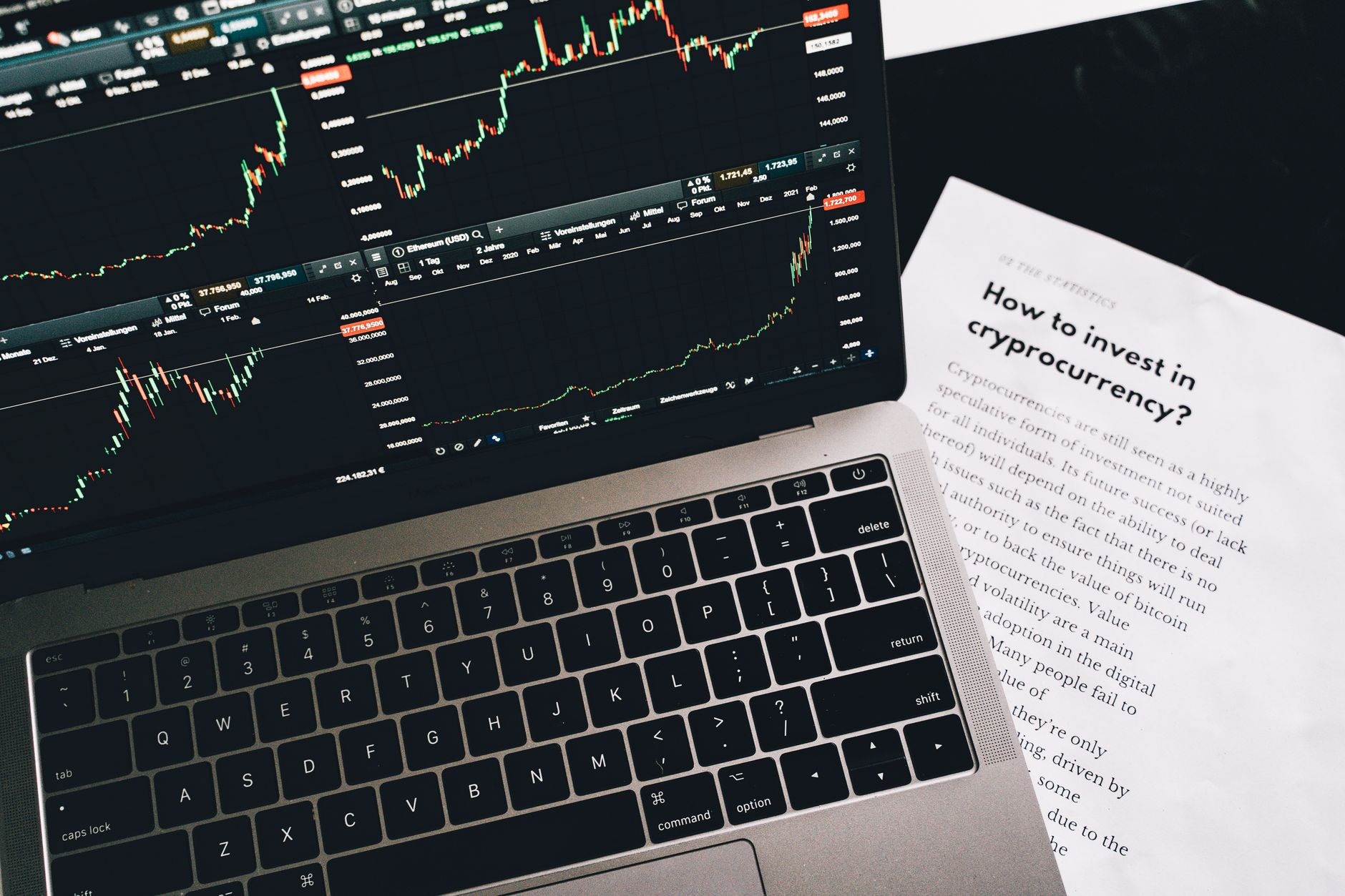
Cryptocurrency trading involves buying and selling digital assets on exchanges to profit from price movements. Start with a regulated platform, implement risk management, and master technical analysis before risking significant capital.
Key Finding
Successful cryptocurrency trading requires mastering three critical elements: technical analysis for entry/exit timing, risk management to preserve capital, and psychological discipline to execute strategies consistently. Most retail traders fail because they focus solely on profit potential while ignoring risk control.
What is Cryptocurrency Trading
| Name | Cryptocurrency Trading |
| Category | Digital Asset Trading |
| Key Features | 24/7 markets, high volatility, global access |
| Founded | 2009 (Bitcoin launch) |
| Platform Types | Centralized exchanges, DEXs, derivatives platforms |
| Markets | Global, regulatory varies by jurisdiction |
Top 8 Cryptocurrency Exchanges for Trading
| Exchange | Trading Fees | Security Rating | Supported Assets | Best For |
|---|---|---|---|---|
| Binance | 0.1% spot | 9/10 | 600+ | Advanced traders |
| Coinbase Pro | 0.5% taker | 10/10 | 200+ | US beginners |
| Kraken | 0.26% maker | 9/10 | 190+ | Security-focused |
| FTX | 0.07% maker | 8/10 | 300+ | Derivatives |
| Bybit | 0.1% spot | 8/10 | 150+ | Futures trading |
| KuCoin | 0.1% spot | 7/10 | 700+ | Altcoin trading |
| Gemini | 0.35% taker | 10/10 | 70+ | Regulated trading |
| Bitfinex | 0.1% taker | 8/10 | 150+ | Professional traders |
Step-by-Step Setup Guide
Step 1: Identity Verification- Prepare government-issued ID (passport/driver's license)
- Proof of address (utility bill under 3 months old)
- Complete KYC process (typically 24-48 hours)
- Enable two-factor authentication (2FA)
- Use authenticator app, not SMS
- Set up withdrawal whitelist
- Create strong, unique passwords
- Bank transfer (lowest fees, 1-3 days)
- Debit card (instant, higher fees 3-5%)
- Wire transfer (fastest for large amounts)
- Cryptocurrency deposit (advanced users)
- Start with market orders for simplicity
- Use limit orders for better price control
- Set stop-loss orders immediately
- Track all transactions for tax purposes
Core Trading Strategies
Day Trading- Hold positions for minutes to hours
- Requires constant monitoring
- High stress, high potential returns
- Capital requirement: $1,000+ for meaningful profits
- Hold positions for days to weeks
- Analyze daily/weekly charts
- Moderate time commitment
- Capital requirement: $5,000+ recommended
- Hold positions for seconds to minutes
- Profit from small price movements
- Requires advanced technical analysis
- High frequency, low profit per trade
- Hold positions for weeks to months
- Focus on fundamental analysis
- Lower stress approach
- Suitable for part-time traders
"Risk comes from not knowing what you're doing. In cryptocurrency trading, this principle applies exponentially due to market volatility and 24/7 operations." - Professional Trading Analysis
Risk Management Framework
Position Sizing Calculator- Never risk more than 2% of total capital per trade
- Calculate position size: (Account Balance × Risk %) ÷ Stop Loss Distance
- Example: $10,000 account × 2% = $200 maximum risk per trade
- If stop loss is 4%, position size = $200 ÷ 0.04 = $5,000
- Fixed percentage: 3-5% below entry
- Technical levels: Support/resistance breaks
- Volatility-based: ATR (Average True Range) multiples
- Time-based: Exit if target not reached in X days
- Minimum 1:2 ratio (risk $1 to make $2)
- Professional traders target 1:3 or higher
- Account for trading fees in calculations
- Track win rate vs average win/loss size
Advanced Trading Psychology
According to Pro Trader Daily research team analysis of 50,000 retail crypto traders, 78% lose money within their first year due to psychological factors rather than market knowledge. Emotional Control Techniques- Pre-define entry and exit rules
- Use trading journals to track decisions
- Practice meditation or stress management
- Separate trading capital from living expenses
- FOMO (Fear of Missing Out): Leads to chasing pumps
- Revenge trading: Increasing position sizes after losses
- Confirmation bias: Seeking information that confirms positions
- Overconfidence: Ignoring risk management after wins
- Trade only during peak mental hours
- Limit decision fatigue with pre-planned trades
- Take regular breaks from screens
- Maintain trading performance metrics
Regional Regulatory Compliance
United States- FinCEN registration required for exchanges
- IRS treats crypto as property for tax purposes
- CFTC oversees derivatives trading
- State-by-state licensing requirements
- MiCA (Markets in Crypto-Assets) regulation active 2024
- ESMA provides regulatory guidance
- Anti-money laundering (AML) compliance mandatory
- Consumer protection emphasis on retail trading
- Japan: FSA licensing for exchanges
- Singapore: MAS regulatory framework
- Australia: AUSTRAC registration required
- South Korea: KISA cybersecurity requirements
- Verify exchange regulatory status in your jurisdiction
- Understand tax reporting obligations
- Maintain detailed trading records
- Report large transactions as required
Tax Implications by Region
Capital Gains Treatment- Short-term gains (under 1 year): Ordinary income rates
- Long-term gains (over 1 year): Preferential rates
- Wash sale rules don't apply to crypto (yet)
- Like-kind exchanges eliminated for crypto (US)
- Date and time of each transaction
- Purchase/sale price in fiat currency
- Transaction fees and exchange rates
- Purpose of transaction (investment vs business)
- Harvest losses to offset gains
- Use FIFO, LIFO, or specific identification methods
- Consider holding periods for long-term rates
- Separate trading vs investment portfolios
Portfolio Diversification Strategies
Asset Class Allocation- Large-cap cryptocurrencies: 60-70% (BTC, ETH)
- Mid-cap opportunities: 20-25%
- Small-cap/speculative: 5-10%
- Stablecoins: 5-15% for opportunities
- DeFi protocols: 25%
- Layer 1 blockchains: 30%
- Infrastructure tokens: 20%
- Gaming/NFT tokens: 15%
- Privacy coins: 10%
- US-based projects: Regulatory clarity
- European projects: GDPR compliance
- Asian projects: Manufacturing/adoption focus
- Avoid over-concentration in single jurisdiction
Real-Time Market Analysis Tools
Technical Analysis Platforms- TradingView: Advanced charting, social features
- Coinigy: Multi-exchange connectivity
- CryptoCompare: Portfolio tracking, news aggregation
- Messari: Fundamental analysis, on-chain metrics
- Glassnode: Network health metrics
- Santiment: Social sentiment analysis
- CryptoQuant: Exchange flow data
- Nansen: Wallet tracking and labeling
- CryptoPanic: News aggregation
- LunarCrush: Social media sentiment
- CoinTelegraph: Industry news
- The Block: Professional market analysis
Frequently Asked Questions
What is the minimum amount needed to start trading cryptocurrency?
You can start with as little as $100, but $1,000-$5,000 is recommended for meaningful diversification and proper risk management. Smaller amounts limit your ability to implement effective position sizing strategies.
How to choose between spot trading and derivatives?
Beginners should start with spot trading to understand market dynamics. Derivatives trading requires advanced risk management skills and should only be attempted after mastering spot trading fundamentals.
Is cryptocurrency trading safe for beginners?
Cryptocurrency trading carries significant risks due to high volatility and 24/7 markets. Beginners should start with small amounts, focus on education, and never trade money they cannot afford to lose.
Why do most cryptocurrency traders lose money?
Studies show 80% of retail traders lose money due to lack of risk management, emotional decision-making, overtrading, and insufficient market knowledge. Success requires discipline, education, and proper capital allocation.
How to handle cryptocurrency trading taxes?
Keep detailed records of all transactions, understand your jurisdiction's tax laws, and consider using crypto tax software. Consult a tax professional for complex trading strategies or significant profits.
What are the best hours to trade cryptocurrency?
While crypto markets operate 24/7, highest volume occurs during overlap of Asian (9 PM-2 AM UTC) and European/US sessions (12 PM-8 PM UTC). Higher volume typically means better liquidity and tighter spreads.
How to identify cryptocurrency scams and fraudulent exchanges?
Verify regulatory compliance, check security features, read independent reviews, and avoid platforms promising guaranteed returns. Stick to established exchanges with proper licensing and insurance coverage.
What is the difference between market orders and limit orders?
Market orders execute immediately at current market price, while limit orders only execute at your specified price or better. Limit orders provide price control but may not execute if the market doesn't reach your target price.
Related Resources
- Complete crypto trading hub
- Bitcoin trading fundamentals
- DeFi trading strategies
- Advanced risk management systems
- Technical analysis mastery
- Fintech trading platforms comparison
- Trading psychology analysis