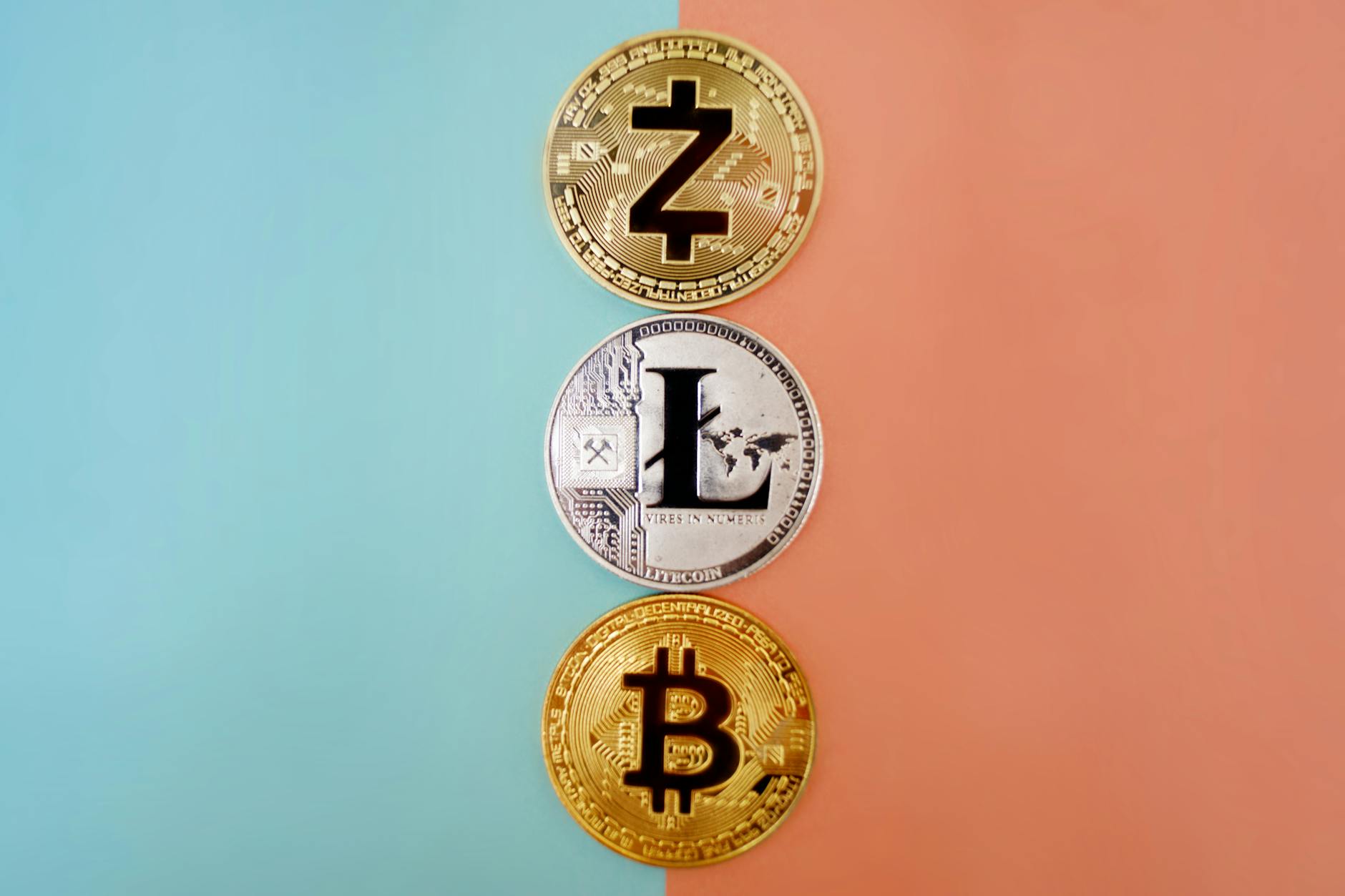
How Indian Beginners Can Start Crypto Trading Safely in 2024
Indian beginners can start crypto trading by choosing compliant exchanges like WazirX or CoinDCX, completing KYC verification, understanding tax obligations including 30% tax and 1% TDS, and starting with small amounts while learning market fundamentals.
Key Finding: Indian crypto traders face unique challenges including 30% tax on gains, 1% TDS on all transactions, and limited banking support. Success requires understanding these regulations and choosing compliant platforms.
The Indian crypto market has experienced dramatic shifts in regulations and taxation. Despite initial uncertainty, trading remains legal with proper compliance. This guide covers everything Indian beginners need to know about starting crypto trading safely and legally.
Crypto Trading in India - Overview
| Legal Status: | Legal but heavily regulated |
| Tax Rate: | 30% on gains + applicable surcharge |
| TDS Rate: | 1% on transaction value |
| Popular Exchanges: | WazirX, CoinDCX, Bitbns |
| Minimum Investment: | ₹100-₹500 depending on exchange |
| Banking Support: | UPI, IMPS, NEFT supported |
Current Legal Framework in India
The Indian government has established clear regulations for cryptocurrency trading. While the Reserve Bank of India initially opposed crypto, the Supreme Court lifted the banking ban in 2020. According to Reuters, the government now focuses on taxation and regulation rather than outright bans. Key regulatory points:- Cryptocurrency trading is legal in India
- No official recognition as legal tender
- Heavy taxation framework implemented
- Anti-money laundering regulations apply
- Future digital rupee may complement private cryptos
Top 5 Indian Crypto Exchanges for Beginners
1. WazirX
- Pros: Binance-backed, high liquidity, supports 100+ cryptos - Cons: Limited customer support, occasional withdrawal delays - Fees: 0.2% maker/taker fees - Minimum Deposit: ₹5002. CoinDCX
- Pros: User-friendly interface, educational content, strong security - Cons: Higher fees for small trades - Fees: 0.1% to 0.35% depending on volume - Minimum Deposit: ₹1003. Bitbns
- Pros: Multiple payment options, fast KYC, competitive fees - Cons: Limited advanced trading features - Fees: 0.25% standard trading fee - Minimum Deposit: ₹1,0004. CoinSwitch Kuber
- Pros: Simple mobile app, SIP feature, educational resources - Cons: Limited trading pairs, higher spreads - Fees: 0.99% for instant buy/sell - Minimum Deposit: ₹1005. ZebPay
- Pros: Established brand, regulatory compliance, mobile-first - Cons: Limited altcoin selection - Fees: 0.15% to 0.25% - Minimum Deposit: ₹100Account Setup and Verification
Setting up your first crypto exchange account requires careful attention to compliance requirements. Indian exchanges must follow Know Your Customer (KYC) regulations strictly. Required Documents:- PAN Card (mandatory)
- Aadhaar Card
- Bank account proof
- Recent photograph
- Valid mobile number
- Email address
INR Deposit Methods and Limits
Indian crypto exchanges support various rupee deposit methods, each with different limits and processing times: UPI Payments:- Instant processing (usually within 5 minutes)
- Limits: ₹1 lakh per transaction (varies by bank)
- Supported by all major exchanges
- Most convenient for beginners
- Processing time: 15 minutes to 4 hours
- Higher limits available
- Better for large deposits
- Requires manual verification sometimes
- WazirX: ₹10 lakh per day
- CoinDCX: ₹25 lakh per day
- Bitbns: ₹5 lakh per day
- ZebPay: ₹2 lakh per day
- Start with small amounts to test the process
- Use UPI for faster processing
- Keep transaction receipts for tax records
- Verify bank account name matches exchange profile
Tax Implications and TDS Requirements
Understanding crypto taxation is crucial for Indian traders. The government implemented strict tax rules effective April 1, 2022. Tax Structure: - Capital Gains Tax: 30% flat rate on profits - TDS: 1% deducted on transaction value above ₹10,000 per year - No Set-off: Crypto losses cannot offset other income - No Indexation: No inflation adjustment for long-term holdings TDS Implementation:- Applied when annual transactions exceed ₹10,000
- Deducted by exchanges automatically
- Form 26AS shows TDS credit
- Can be claimed as advance tax
- Maintain detailed transaction records
- Track purchase price and date
- Calculate holding period
- Document exchange charges and fees
- Save annual statements from exchanges
- Investment: ₹1,00,000
- Sale Price: ₹1,50,000
- Profit: ₹50,000
- Tax (30%): ₹15,000
- TDS (1% of ₹1,50,000): ₹1,500
"The crypto taxation framework in India is one of the world's strictest. Traders must maintain meticulous records and understand that even small transactions trigger tax obligations. The 1% TDS significantly impacts high-frequency trading strategies." — Pro Trader Daily Tax Analysis, 2024
Beginner-Friendly Trading Strategies
New traders should focus on simple, low-risk strategies while learning market dynamics. Dollar-Cost Averaging (DCA):- Invest fixed amount regularly regardless of price
- Reduces impact of market volatility
- Ideal for long-term investors
- Supported by SIP features on Indian exchanges
- Purchase cryptocurrencies and hold long-term
- Requires less active monitoring
- Focus on established cryptocurrencies like Bitcoin, Ethereum
- Remember the 30% tax applies when you sell
- Hold positions for days or weeks
- Requires technical analysis knowledge
- Monitor market trends and news
- Higher risk but potentially higher returns
- Practice with virtual money first
- Most exchanges offer demo accounts
- Learn without financial risk
- Test strategies before real investment
Common Mistakes Indian Beginners Make
Learning from others' mistakes can save significant money and stress: 1. Ignoring Tax Obligations- Not maintaining transaction records
- Forgetting about TDS implications
- Assuming small trades are tax-free
- Buying during price surges
- Following social media tips blindly
- Not having a trading plan
- Keeping large amounts on exchanges
- Using weak passwords
- Sharing account details
- Investing in unknown cryptocurrencies
- Not understanding project fundamentals
- Following influencer recommendations
- Panic selling during market drops
- Revenge trading after losses
- Not setting stop-losses
- Making too many transactions (increases TDS burden)
- Not considering fees in profit calculations
- Day trading without proper knowledge
Security Best Practices for Indian Traders
Protecting your crypto investments requires multiple layers of security: Exchange Security:- Enable two-factor authentication (2FA)
- Use authenticator apps instead of SMS
- Verify exchange security certifications
- Check withdrawal confirmation methods
- Use strong, unique passwords
- Enable email/SMS notifications
- Regular security audits of accounts
- Be cautious of phishing attempts
- Consider hardware wallets for large holdings
- Keep private keys offline
- Use multiple wallets for different purposes
- Regular backup of wallet data
- Double-check recipient addresses
- Use whitelisted addresses when available
- Start with small test transactions
- Verify transaction details before confirming
- Unsolicited investment advice via WhatsApp/Telegram
- Promises of guaranteed returns
- Pressure to invest immediately
- Requests for private keys or passwords
- Unregistered or unlicensed platforms
Frequently Asked Questions
What is the minimum amount to start crypto trading in India? Most Indian exchanges allow starting with ₹100-₹500. However, considering fees and TDS implications, starting with ₹5,000-₹10,000 provides better trading flexibility. How is crypto trading taxed in India? Crypto gains are taxed at 30% flat rate with no set-off against losses. Additionally, 1% TDS applies on transactions exceeding ₹10,000 annually. Is crypto trading safe for beginners in India? Crypto trading carries inherent market risks, but using regulated Indian exchanges with proper security measures and starting with small amounts reduces risks significantly. Why do Indian banks sometimes block crypto transactions? While crypto trading is legal, some banks remain cautious. Using exchanges with strong banking partnerships like CoinDCX or WazirX reduces transaction issues. How to choose the best crypto exchange in India? Consider factors like regulatory compliance, security features, fee structure, customer support, available cryptocurrencies, and payment methods that suit your needs. What cryptocurrencies should Indian beginners buy first? Start with established cryptocurrencies like Bitcoin (BTC) and Ethereum (ETH) before exploring altcoins. These have better liquidity and regulatory acceptance. Can I use international exchanges from India? While not explicitly banned, using Indian exchanges is recommended for better tax compliance, customer support, and regulatory protection. How to report crypto taxes in India? Crypto gains should be reported under "Income from Other Sources" in ITR forms. Maintain detailed transaction records and consult tax professionals for complex situations. Based on Pro Trader Daily analysis, successful Indian crypto traders typically start conservatively, focus on education, and gradually increase their exposure as they gain experience and understanding of market dynamics. Explore More Crypto Guides Related Resources: - Complete Crypto Trading Hub- Advanced Technical Analysis for Crypto
- Digital Payment Security Guide
- Portfolio Diversification Strategies
- UPI Payment Limits and Features