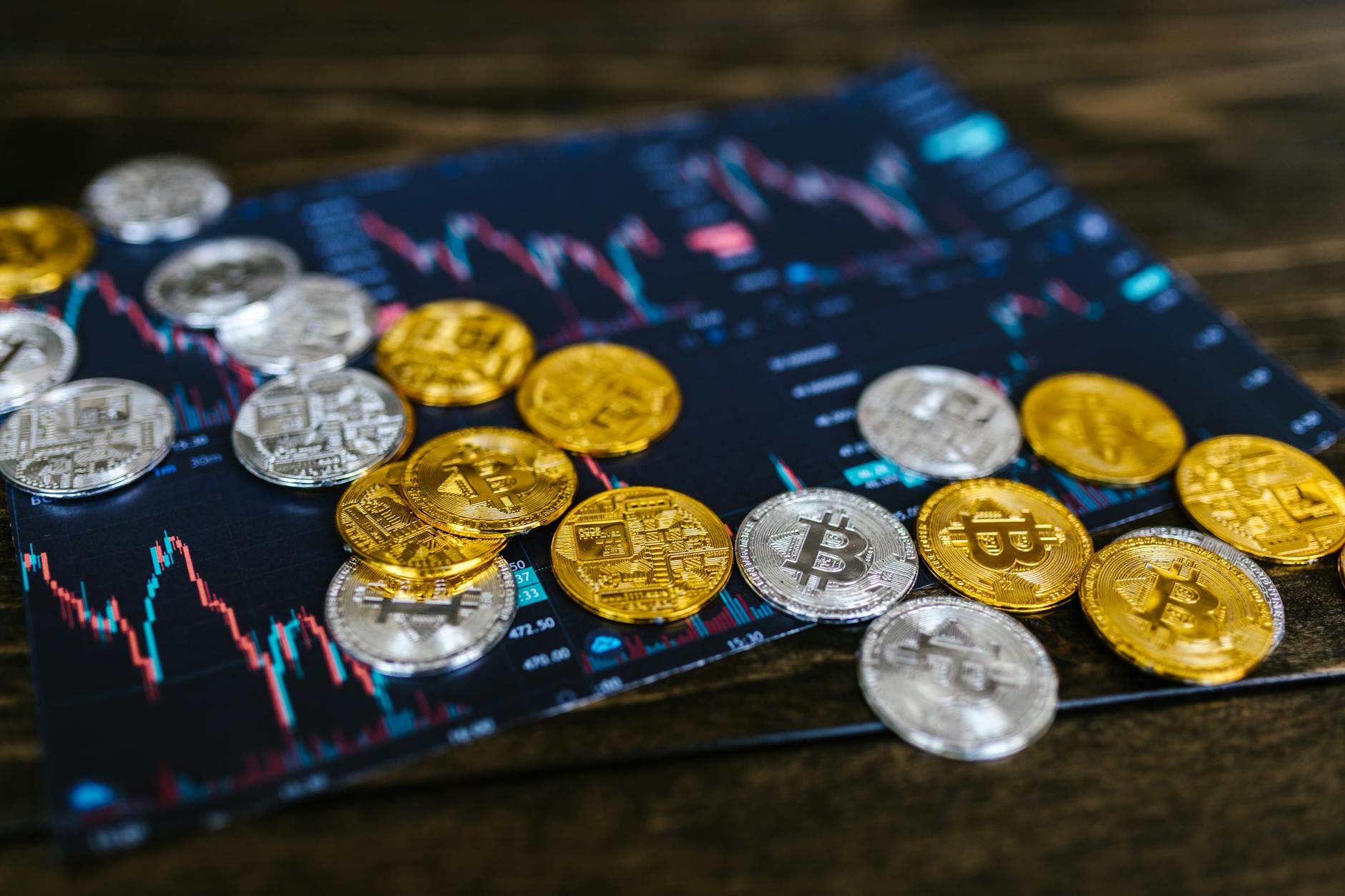
How to Learn Crypto Trading for Free: Complete Beginner's Path
Crypto Trading Overview
| Category | Digital Asset Trading |
|---|---|
| Market Hours | 24/7 Global Markets |
| Key Features | High volatility, instant settlements, global access |
| Learning Time | 2-4 weeks for basics, 3-6 months for proficiency |
| Starting Capital | $0 for education, $100+ for live trading |
| Main Platforms | Binance, Coinbase Pro, Kraken |
Understanding Trading Fundamentals
According to CoinDesk, cryptocurrency trading involves exchanging digital assets to profit from price movements. Success requires understanding market mechanics, technical analysis, and risk management. Core Concepts to Master:- Market orders vs limit orders
- Candlestick chart reading
- Support and resistance levels
- Volume analysis
- Basic indicators (RSI, MACD, Moving averages)
- Spot trading (immediate settlement)
- Margin trading (borrowed funds)
- Futures contracts
- Options trading
Top 7 Free Crypto Trading Education Platforms
- Binance Academy - 300+ articles and videos - Interactive quizzes with rewards - Beginner to advanced levels - Mobile app available
- Coinbase Learn - Earn crypto while learning - Video-based lessons - Covers 50+ cryptocurrencies - Certificate completion
- TradingView Education - Chart analysis tutorials - Live market examples - Community scripts - Free charting tools
- CoinMarketCap Alexandria - Glossary definitions - Market analysis guides - News integration - Research reports
- YouTube Channels - Coin Bureau (technical analysis) - InvestAnswers (market research) - Benjamin Cowen (data analysis) - Crypto Casey (beginner-friendly)
- Reddit Communities - r/CryptoCurrency - r/CryptoMarkets - r/BitcoinBeginners - r/ethtrader
- Free Podcasts - Unchained (Laura Shin) - The Pomp Podcast - Coin Talk - What Bitcoin Did
30-Day Learning Roadmap
Week 1: Foundation Building- Days 1-3: Complete Binance Academy basics course
- Days 4-5: Learn to read candlestick charts
- Days 6-7: Practice chart analysis on TradingView
- Days 8-10: Master support/resistance identification
- Days 11-12: Study moving averages and RSI
- Days 13-14: Practice pattern recognition
- Days 15-17: Calculate position sizing
- Days 18-19: Learn stop-loss strategies
- Days 20-21: Study portfolio allocation
- Days 22-24: Open demo account
- Days 25-27: Execute practice trades
- Days 28-30: Review performance and refine strategy
Demo Trading Setup Guide
Best Demo Platforms:- Plus500 Demo (real market conditions)
- Capital.com Demo Account (risk-free environment)
- Execute 50+ successful trades
- Maintain positive win rate above 55%
- Keep maximum drawdown under 20%
- Test different trading timeframes
- Develop personal trading rules
Safety Protocols for New Traders
"Never invest more than you can afford to lose completely. The crypto market's extreme volatility can eliminate portfolios overnight during major corrections."Security Measures:
- Use hardware wallets for storage
- Enable two-factor authentication
- Never share private keys
- Verify exchange regulations
- Start with reputable platforms only
- Never risk more than 2% per trade
- Set stop-losses before entering positions
- Diversify across multiple assets
- Avoid emotional trading decisions
- Keep detailed trading journals
- Guaranteed profit schemes
- Pump and dump groups
- Unregulated exchanges
- Social media trading signals
- Leveraged trading for beginners
7 Costly Beginner Mistakes to Avoid
- FOMO Trading - Chasing price pumps - Buying at peaks - Ignoring technical analysis
- Overleveraging - Using borrowed funds - Risking more than 2% per trade - Margin trading without experience
- No Stop-Loss Orders - Hoping losing trades recover - Turning day trades into investments - Ignoring risk management
- Emotional Decision Making - Panic selling during dips - Revenge trading after losses - Overconfidence after wins
- Lack of Research - Trading unknown altcoins - Following social media tips - Ignoring fundamental analysis
- Poor Timing - Trading during low volume hours - Ignoring market sentiment - Missing key support levels
- Inadequate Record Keeping - Not tracking trade performance - Missing tax obligations - Failing to analyze mistakes
Free Resource Comparison Table
| Platform | Content Type | Difficulty Level | Interactive Features | Certification |
|---|---|---|---|---|
| Binance Academy | Articles, Videos | Beginner-Advanced | Quizzes, Rewards | No |
| Coinbase Learn | Videos | Beginner-Intermediate | Earn Crypto | Yes |
| TradingView | Charts, Tutorials | Intermediate-Advanced | Live Trading | No |
| YouTube | Videos | All Levels | Comments | No |
| Discussions | All Levels | Community | No |
Frequently Asked Questions
What is crypto trading?
Crypto trading involves buying and selling digital assets like Bitcoin and Ethereum to profit from price movements. Traders analyze charts, market trends, and news to make informed decisions about when to enter and exit positions.
How long does it take to learn crypto trading?
Basic concepts can be learned in 2-4 weeks with daily study. However, developing profitable strategies and consistent performance typically takes 3-6 months of practice with demo accounts before transitioning to live trading.
Is it safe to learn crypto trading for free?
Yes, using reputable educational platforms like Binance Academy and practicing with demo accounts eliminates financial risk during the learning phase. This approach allows skill development without capital exposure.
Why should beginners use demo accounts?
Demo accounts provide risk-free practice with virtual money, allowing beginners to test strategies, learn platform interfaces, and develop emotional control without losing real capital during the learning process.
How much money do I need to start crypto trading?
Learning requires $0 using free educational resources and demo accounts. For live trading, most exchanges have minimum deposits of $10-$50, though $500-$1000 provides better risk management flexibility for beginners.
What are the biggest mistakes new crypto traders make?
Common mistakes include FOMO trading, overleveraging positions, not using stop-losses, making emotional decisions, inadequate research, poor timing, and failing to keep detailed trading records.
How do I choose between different crypto exchanges?
Consider factors like regulatory compliance, security features, trading fees, available cryptocurrencies, user interface quality, customer support, and educational resources when selecting an exchange for learning and trading.
Can I really learn crypto trading without spending money?
Absolutely. Platforms like Binance Academy, Coinbase Learn, TradingView Education, and YouTube channels provide comprehensive free education covering everything from basics to advanced strategies without any cost.