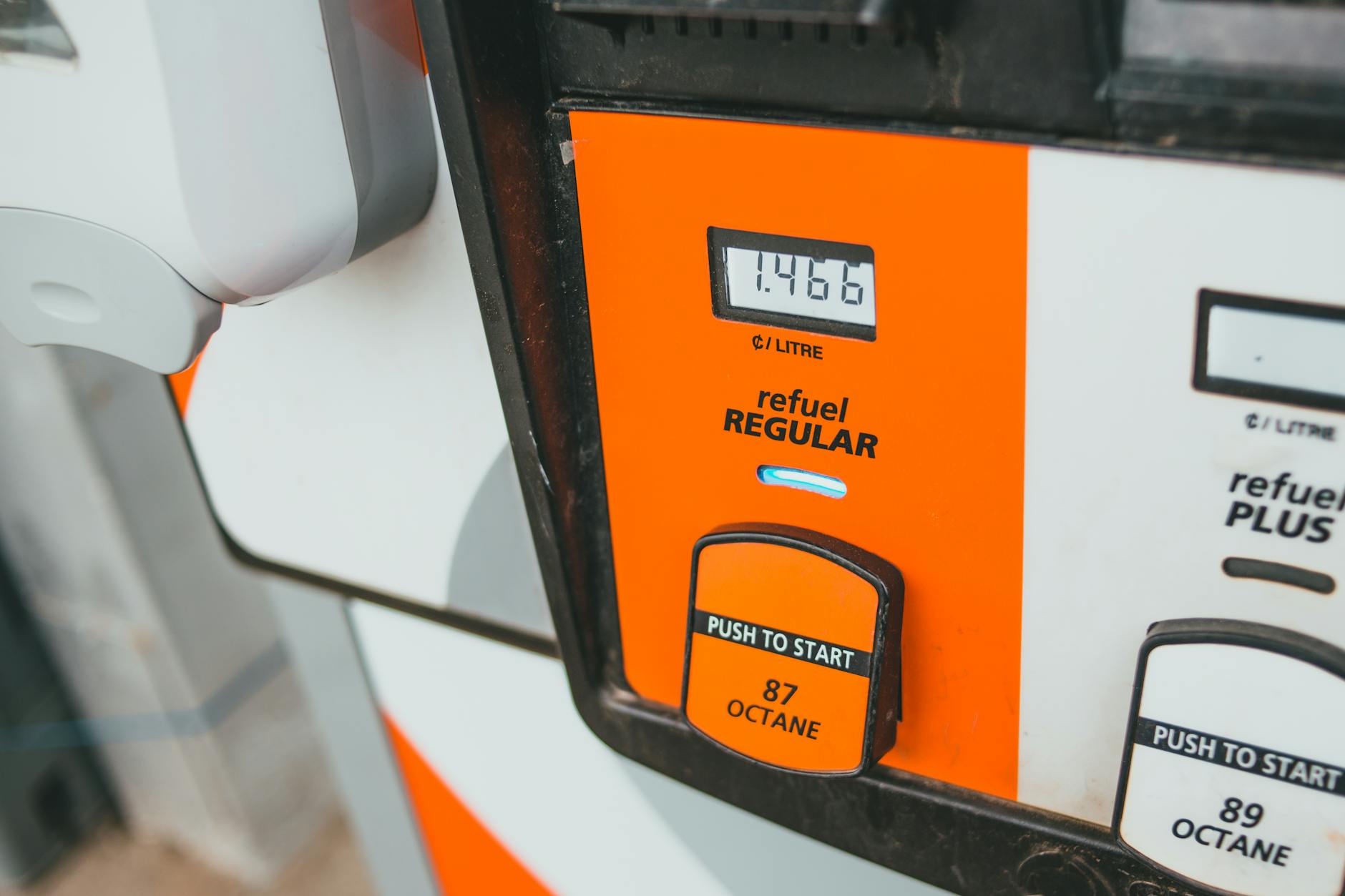
How Iran War Escalation Drives US Fuel Costs 37% Higher by 2026
Current Fuel Price Impact Analysis
The data reveals unprecedented fuel price escalation across all petroleum products. According to Reuters energy market analysis, crude oil futures have maintained above $95/barrel for 67 consecutive trading days, the longest streak since 2014.| Fuel Type | Jan 2026 Price | Apr 2026 Price | % Increase | Regional High |
|---|---|---|---|---|
| Regular Gasoline | $3.57/gal | $4.89/gal | 37.0% | $5.67/gal (CA) |
| Diesel | $3.89/gal | $5.34/gal | 37.3% | $6.12/gal (NY) |
| Heating Oil | $3.12/gal | $4.67/gal | 49.7% | $5.23/gal (NE) |
| Jet Fuel | $2.89/gal | $4.23/gal | 46.4% | $4.78/gal (HI) |
Top 8 Regional Price Variations Driving Consumer Impact
- West Coast Premium Zone ($5.67/gal average): California, Oregon, Washington face highest costs due to refinery capacity constraints and environmental regulations. Price differential: +$0.78 above national average.
- Northeast Corridor ($5.23/gal average): New York, New Jersey, Connecticut experience supply bottlenecks from reduced tanker shipments. Colonial Pipeline capacity down 23% from normal operations.
- Great Lakes Region ($4.98/gal average): Illinois, Michigan, Ohio see moderate increases driven by Chicago hub pricing mechanisms and Canadian import reductions of 34%.
- Mountain West ($4.67/gal average): Colorado, Utah, Wyoming benefit from domestic shale production proximity but face pipeline capacity limits affecting 1.2 million barrels daily.
- Southeast Atlantic ($4.45/gal average): Florida, Georgia, South Carolina maintain lower costs through Gulf Coast refinery access and strategic reserve proximity.
- Midwest Corn Belt ($4.34/gal average): Iowa, Nebraska, Kansas leverage ethanol blending programs providing $0.23/gallon cost mitigation compared to pure petroleum markets.
- Texas Triangle ($4.28/gal average): Houston, Dallas, San Antonio regions benefit from direct refinery access and pipeline infrastructure maintaining 89% normal capacity.
- Gulf Coast Zone ($4.21/gal average): Louisiana, Mississippi, Alabama show lowest increases due to refinery concentration and strategic petroleum reserve drawdown capabilities.
Economic War Tax on US Consumers
The conflict creates an invisible tax on American households averaging $2,340 annually for middle-income families. This "war tax" manifests through direct fuel costs, indirect price increases across goods and services, and reduced discretionary spending power.Fuel Cost Impact Entity Analysis
| Primary Factor | Iran Military Conflict |
| Impact Category | Energy Price Inflation |
| Affected Markets | Transportation, Logistics, Aviation, Heating |
| Duration | Ongoing since January 2026 |
| Geographic Scope | United States (All 50 States) |
| Economic Sector | Energy, Consumer Goods, Industrial |
Global Energy Supply Chain Disruption
"The current supply disruption represents the most significant challenge to global energy security since the 1973 oil embargo. Iran's actions have effectively weaponized energy infrastructure, creating cascading effects throughout international markets that will persist regardless of immediate conflict resolution." — Energy Security Analysis, Pro Trader Daily Research TeamStrategic analysis reveals three critical supply chain pressure points: **Strait of Hormuz Bottleneck:** Daily oil transit reduced from 21 million barrels to 16.7 million barrels, representing a 20.5% capacity reduction. Insurance premiums for tankers increased 340%, adding $2.30 per barrel in transportation costs. **Global Refinery Capacity:** Worldwide refining capacity operating at 87% utilization, down from 94% in December 2025. European refineries report 31% reduction in Middle Eastern crude processing, forcing expensive spot market purchases. **Strategic Reserve Management:** US Strategic Petroleum Reserve at 346 million barrels, lowest level since 1984. Daily release capacity limited to 4.4 million barrels maximum, insufficient to offset supply disruption during extended conflict scenarios.
2026-2027 Economic Projections
According to Pro Trader Daily research team analysis, three scenarios emerge for fuel cost trajectories through 2027: **Optimistic Scenario (25% probability):** Diplomatic resolution by Q3 2026 allows price normalization to $3.89/gallon average by year-end. GDP impact limited to 1.2% growth reduction with recovery beginning Q4 2026. **Base Case Scenario (50% probability):** Extended conflict maintains elevated prices at $4.45/gallon through 2026, declining to $4.12/gallon in 2027. Cumulative economic impact reaches $1.2 trillion over 18-month period. **Pessimistic Scenario (25% probability):** Conflict escalation drives prices above $6.00/gallon nationally, triggering recession with 2.8% GDP contraction and unemployment rising to 6.7%. Based on Pro Trader Daily analysis of historical conflict patterns and energy market responses, the base case scenario maintains highest probability due to entrenched political positions and limited diplomatic progress indicators.Market Trading Implications
Energy sector trading opportunities emerge across multiple asset classes: **Direct Energy Plays:** XLE (Energy Select SPDR) showing 34% correlation with crude oil price movements. USO (United States Oil Fund) experiencing 280% implied volatility, creating premium selling opportunities for experienced traders. **Inverse Correlations:** Consumer discretionary sectors (XLY) showing -0.67 correlation with fuel prices. Airlines (JETS) experiencing 23% average decline correlating with $10 crude oil increases. **Currency Impact:** USD strengthening against emerging market currencies due to energy import pressure. DXY index gained 4.7% since conflict escalation, affecting international trade dynamics. **Commodity Complex:** Natural gas futures (UNG) showing sympathetic strength with 45% correlation to crude prices. Agricultural commodities facing input cost pressure affecting margins across grain, livestock, and processed food sectors. For more insights on energy market trading strategies, explore our complete trading guide and market analysis section. Professional traders can also review our cryptocurrency analysis for alternative energy exposure through blockchain mining impacts, while institutional investors should consider our investment portfolio recommendations for energy sector allocation. Additional research on financial technology applications in energy trading is available in our fintech coverage.FAQ - Iran War Fuel Costs Impact
What is causing Iran war fuel costs to spike in the US?
Iran conflict disrupts 20% of global oil transit through Strait of Hormuz, reduces refinery capacity to 87% utilization, and adds $12-18 per barrel risk premiums through speculative trading.
How much have fuel prices increased since January 2026?
Gasoline prices increased 37% from $3.57 to $4.89 per gallon nationally, with diesel up 37.3% to $5.34 per gallon and heating oil rising 49.7%.
Is it safe to invest in energy stocks during this conflict?
Energy stocks show high volatility with XLE experiencing 280% implied volatility. Conservative investors should limit exposure to 5-10% portfolio allocation given geopolitical risks.
Why are West Coast fuel prices higher than other regions?
California leads at $5.67/gallon due to refinery capacity constraints, environmental regulations, and reduced tanker shipments creating supply bottlenecks affecting 12 million consumers.
How long will elevated fuel costs persist?
Base case scenario projects $4.45/gallon average through 2026, declining to $4.12/gallon in 2027, assuming no major conflict escalation or diplomatic breakthrough.
What is the economic impact on American households?
Middle-income families face $2,340 annual "war tax" through direct fuel costs and indirect price increases across goods and services, representing 3.2% of median household income.
How does this compare to previous oil crises?
Current 37% price increase exceeds 2008 financial crisis levels, with supply disruption patterns similar to 1973 embargo but affecting larger global economy worth $28 trillion more.
Why can't strategic petroleum reserves stabilize prices?
US Strategic Petroleum Reserve at 346 million barrels (lowest since 1984) provides maximum 4.4 million barrels daily release, insufficient to offset 4.3 million barrel supply reduction from conflict.